The recent developments in Gaza highlight the urgent need for a cease-fire as U.S. Secretary of State Antony Blinken engages in discussions in Doha, Qatar. In light of stalled negotiations for a long-term peace, Blinken hinted at the possibility of initiating a temporary pause in the fighting, potentially lasting around a week and a half, in exchange for the release of some hostages still held by Hamas.
During his visit to the Qatari capital, where he met with high-ranking officials who have acted as mediators in the Israeli-Hamas conflict, Blinken stressed the necessity of humanitarian pauses to deliver aid, especially as the situation in northern Gaza continues to worsen. With approximately 400,000 civilians trapped in dire conditions due to renewed military actions, aid agencies reported critically limited access to those in need. Local emergency services in Gaza have already halted operations due to the catastrophic circumstances resulting from escalated airstrikes.
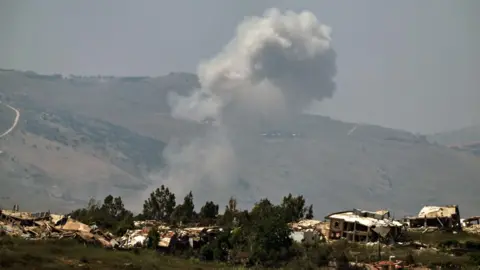
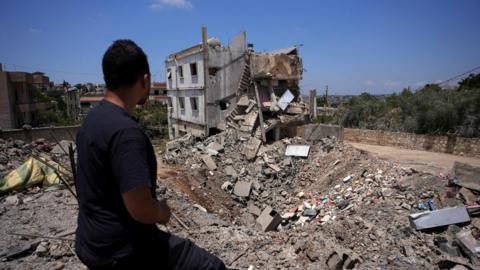
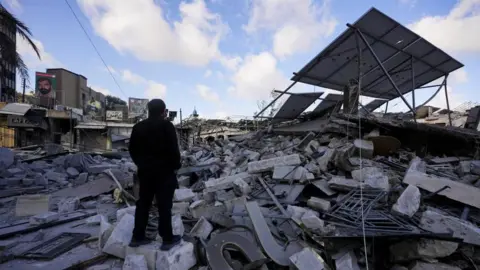
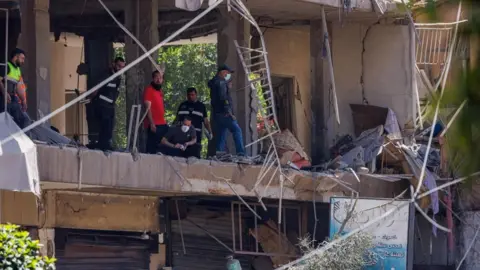
Lebanon's caretaker prime minister, Najib Mikati, has called for a cease-fire in light of increasing casualties and damage within its borders due to Israeli attacks, arguing for immediate action to protect civilians. The tension between Israel and Hezbollah remains palpable, with the Israeli military conducting airstrikes in densely populated areas, leading to an alarming number of civilian casualties.
In the backdrop, the Israeli military has ramped up claims against Al Jazeera correspondents, alleging connection to militant groups. This assertion continues to evoke significant criticism from press freedom advocates, emphasizing the importance of independent journalism during the ongoing conflict. As international leaders gather in Paris to address the crisis, calls for a cease-fire and increased humanitarian aid remain at the forefront.
During his visit to the Qatari capital, where he met with high-ranking officials who have acted as mediators in the Israeli-Hamas conflict, Blinken stressed the necessity of humanitarian pauses to deliver aid, especially as the situation in northern Gaza continues to worsen. With approximately 400,000 civilians trapped in dire conditions due to renewed military actions, aid agencies reported critically limited access to those in need. Local emergency services in Gaza have already halted operations due to the catastrophic circumstances resulting from escalated airstrikes.
Lebanon's caretaker prime minister, Najib Mikati, has called for a cease-fire in light of increasing casualties and damage within its borders due to Israeli attacks, arguing for immediate action to protect civilians. The tension between Israel and Hezbollah remains palpable, with the Israeli military conducting airstrikes in densely populated areas, leading to an alarming number of civilian casualties.
In the backdrop, the Israeli military has ramped up claims against Al Jazeera correspondents, alleging connection to militant groups. This assertion continues to evoke significant criticism from press freedom advocates, emphasizing the importance of independent journalism during the ongoing conflict. As international leaders gather in Paris to address the crisis, calls for a cease-fire and increased humanitarian aid remain at the forefront.