In brief
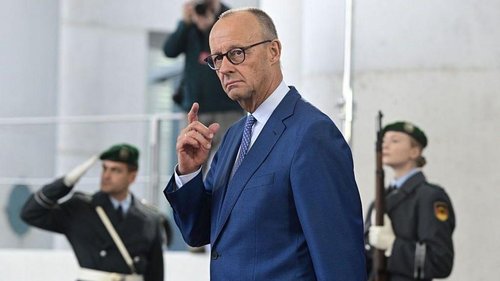
Recent comments by Germany's incoming Chancellor Friedrich Merz have sparked intense discussions among European leaders regarding the future of nuclear deterrence, reflecting the growing uncertainty surrounding U.S. support and the implications for regional security.
Germany's incoming Chancellor, Friedrich Merz, has ignited a significant debate among European nations regarding their nuclear deterrence capabilities. This shift follows increasing doubts around the reliability of the American commitment to NATO under President Trump's administration. Merz has proposed discussions with France and Britain about broadening nuclear deterrent strategies to include Germany, citing a “profound change in American geopolitics.” In the wake of Merz's remarks, Poland’s Prime Minister Donald Tusk echoed similar concerns, noting the rising vulnerability of Poland and Ukraine due to decreased American reliability. Tusk hinted that Poland, which has a historical context of Russian occupation, might even contemplate pursuing its own nuclear capabilities. Poland's President Andrzej Duda added fuel to the fire, suggesting that the United States should consider relocating some of its nuclear arsenal from Western Europe to Poland for greater security. Duda stated, “I think it’s not only that the time has come, but that it would be safer if those weapons were already here,” in an interview with the Financial Times.The situation has led to immediate controversy, highlighting the sensitive nature of nuclear discussions, especially concerning NATO's Article Five, which encompasses collective defense. While Trump and his administration maintain that they are committed to the nuclear umbrella over Europe—the essential guarantee against Russian hostilities—growing tensions have left European allies feeling uncertain about their security reliance on the U.S. The critical conversation around developing an independent European nuclear strategy raises fears that too much focus on alternate deterrents could inadvertently push Trump to retract his guarantees. Yet, this ongoing reevaluation signifies Europe's most serious nuclear defense discussion in generations as leaders confront new geopolitical realities.