In brief
This article delves into the ongoing conflict between Israel and Gaza, focusing on the principle of proportionality in international law. It highlights expert opinions and humanitarian concerns regarding the high civilian casualty rate, destruction of infrastructure, and accusations of war crimes against Israel. Key voices from international law emphasize that Israel's military actions may not align with the principles of proportionality, raising complex issues surrounding the concept of self-defense in the context of a long-standing conflict.
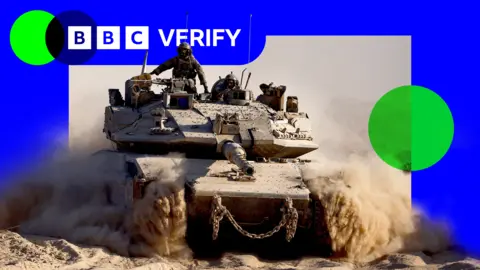
Israel's military operation in Gaza has led to substantial casualties and destruction, raising serious questions about the proportionality of its actions under international law. Following a violent attack by Hamas on October 7, 2023, Israel initiated a military response that has resulted in tens of thousands of deaths and widespread devastation in Gaza.
The principle of proportionality is critical in determining the legality of military responses. It stipulates that the harm inflicted must not be excessive in relation to the anticipated military advantage. However, many experts indicate that Israel's operations might not satisfy this criterion.
Leading human rights organizations have accused Israel of committing war crimes, pointing to the high number of civilian casualties and the extensive damage to homes and medical facilities. As the situation in Gaza grows dire, with reports of famine impacting a significant segment of the population, the international community is increasingly questioning the legality of Israel’s military tactics.
Experts from various institutions have voiced concerns: Israel's military conduct in Gaza cannot be characterized as proportionate, states Professor Janina Dill from the University of Oxford, and Dr. Maria Varaki echoes this sentiment by asserting the numerical and qualitative aspects of Israel's force usage are disproportionate.
The debate on self-defense is equally complex, as Israel claims its military actions are justified responses to Hamas's aggression. However, several legal scholars suggest that, under international law, a prolonged military operation may cease to be considered a legitimate act of self-defense if the scale of retaliation exceeds the immediate threat posed.
As discussions unfold, the conflict's impact on civilians and the humanitarian crises in Gaza continue to cast a shadow over the legality of military operations, pushing the boundaries of what is acceptable in conflict scenarios.