In brief
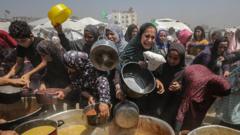
Gaza is on the brink of famine as fresh assessments outline an alarming rise in food insecurity, directly linked to a prolonged Israeli blockade and renewed military operations.
A recent assessment by the Integrated Food Security Phase Classification (IPC), backed by the United Nations, indicates that the population of Gaza, approximately 2.1 million Palestinians, is facing an extreme risk of famine due to ongoing humanitarian aid blockages. The report highlights a "major deterioration" in food security levels since October 2024, calling for urgent interventions to avert a catastrophe.Despite a temporary ceasefire between Israel and Hamas, which provided a brief respite, the resumption of hostilities and blockade—lasting over 70 days—has regressed the situation significantly. Currently, around 244,000 residents are experiencing severe food insecurity categorized as "catastrophic," with estimates suggesting that half a million more are at risk of starvation in the coming months.Reports indicate that nearly 71,000 children under five could suffer from acute malnutrition by April 2026 as families resort to extreme tactics to feed themselves, including scavenging and begging. The IPC's analysis reveals that an overwhelming 93% of the population faces acute food insecurity, making it one of the most critical nutrition crises globally.While Israeli officials maintain that no hunger crisis exists due to the aid that flowed during the ceasefire, international condemnation continues to surround the blockade. Humanitarian groups assert that restricting aid could amount to a war crime, further entrenching a policy of starvation.In parallel developments, Hamas suggested that it would release Israeli-American hostage Edan Alexander, ostensibly to facilitate a ceasefire and allow humanitarian aid into Gaza. Nevertheless, Israel's Prime Minister's office clarified that no permanent ceasefire had been agreed upon, only a "safe corridor" for Alexander's return.Amid these turbulent discussions, plans for military escalation loom should no ceasefire be reached, including seizing further territory in Gaza and altering aid distribution channels, which raised alarms among UN and humanitarian partners who fear the approach could further complicate access to essential resources.Authorities recorded that the conflict, originally ignited by Hamas's actions on October 7, 2023, has led to extensive civilian casualties, with the Hamas-run health ministry reporting over 52,000 fatalities in Gaza since the outbreak of hostilities.