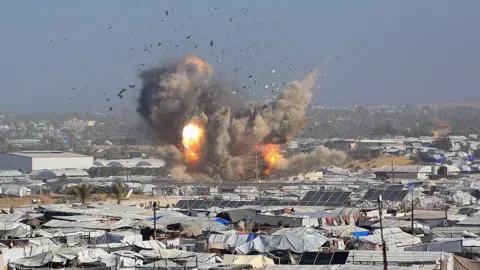
In an encouraging development amid ongoing tensions in the Middle East, the Rafah border crossing between Gaza and Egypt has reopened, marking the first time in nine months that sick and wounded Palestinians have been able to access medical treatment abroad. This reopening is part of a recently established cease-fire agreement between Israel and Hamas, which includes provisions for the movement of individuals in desperate need of healthcare.
On Saturday, medical workers successfully transported a limited number of patients across the border, with reports confirming that only 50 of the potentially thousands requiring assistance were able to make the journey on that day. The urgency for such measures has been underscored by the severe strain placed on Gaza's healthcare system, which has been devastated by ongoing conflict and a lack of essential resources.
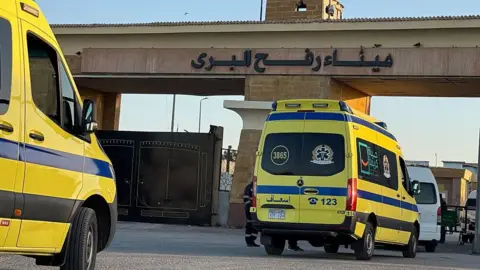
Al Qahera News, an Egyptian state broadcaster, provided coverage of ambulances arriving at the Egyptian side of the Rafah crossing, carrying the sick and injured from Gaza. This border point had previously been inactive following Israel's invasion of the southern city of Rafah back in May. The impact of this conflict has been particularly harsh on medical institutions, including the notable Al-Shifa Hospital, where facilities have suffered destruction and accusations surrounding military use have emerged.
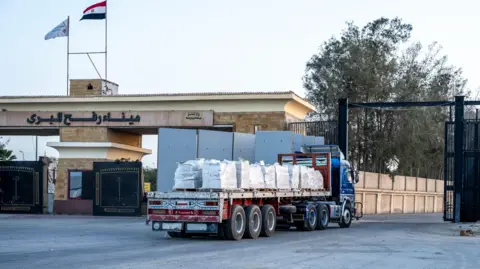
As part of the agreement, it is stated that Israel and Egypt would allow 50 wounded militants to exit Gaza each day, contingent on adequate approvals being granted. However, broader measures to increase the number of sick and injured crossing over to Egypt and to reinstate trade and goods movement have yet to be specified regarding their implementation timeline.
According to Rik Peeperkorn, the World Health Organization’s leading representative for Gaza and the Israeli-occupied West Bank, Saturday's evacuations are a positive starting point, yet he emphasized the necessity for a swift escalation of these operations. Approximately 12,000 to 14,000 individuals were identified as needing immediate medical services outside of Gaza.
Historically, Hamas has been responsible for managing the Palestinian side of Rafah, but following Israel's military actions, a new security arrangement has emerged, involving Egypt and the internationally recognized Palestinian Authority, which is considered a rival of Hamas. Despite pressures for a shift in governance in postwar Gaza, Israeli officials have signaled a reluctance to grant full control to the Palestinian Authority, suggesting that their involvement would be nominal, primarily limited to passport checks, while Israeli forces maintain their presence around the crossing with authority over who may pass through.
In light of this complex landscape, diplomatic discussions continue as international observers remain focused on the humanitarian implications for those affected by the conflict.
On Saturday, medical workers successfully transported a limited number of patients across the border, with reports confirming that only 50 of the potentially thousands requiring assistance were able to make the journey on that day. The urgency for such measures has been underscored by the severe strain placed on Gaza's healthcare system, which has been devastated by ongoing conflict and a lack of essential resources.
Al Qahera News, an Egyptian state broadcaster, provided coverage of ambulances arriving at the Egyptian side of the Rafah crossing, carrying the sick and injured from Gaza. This border point had previously been inactive following Israel's invasion of the southern city of Rafah back in May. The impact of this conflict has been particularly harsh on medical institutions, including the notable Al-Shifa Hospital, where facilities have suffered destruction and accusations surrounding military use have emerged.
As part of the agreement, it is stated that Israel and Egypt would allow 50 wounded militants to exit Gaza each day, contingent on adequate approvals being granted. However, broader measures to increase the number of sick and injured crossing over to Egypt and to reinstate trade and goods movement have yet to be specified regarding their implementation timeline.
According to Rik Peeperkorn, the World Health Organization’s leading representative for Gaza and the Israeli-occupied West Bank, Saturday's evacuations are a positive starting point, yet he emphasized the necessity for a swift escalation of these operations. Approximately 12,000 to 14,000 individuals were identified as needing immediate medical services outside of Gaza.
Historically, Hamas has been responsible for managing the Palestinian side of Rafah, but following Israel's military actions, a new security arrangement has emerged, involving Egypt and the internationally recognized Palestinian Authority, which is considered a rival of Hamas. Despite pressures for a shift in governance in postwar Gaza, Israeli officials have signaled a reluctance to grant full control to the Palestinian Authority, suggesting that their involvement would be nominal, primarily limited to passport checks, while Israeli forces maintain their presence around the crossing with authority over who may pass through.
In light of this complex landscape, diplomatic discussions continue as international observers remain focused on the humanitarian implications for those affected by the conflict.