NEW YORK — Over a year ago, a crackdown by the Trump administration aimed squarely at curtailing pro-Palestinian activism on college campuses began, resulting in numerous detentions among activists.
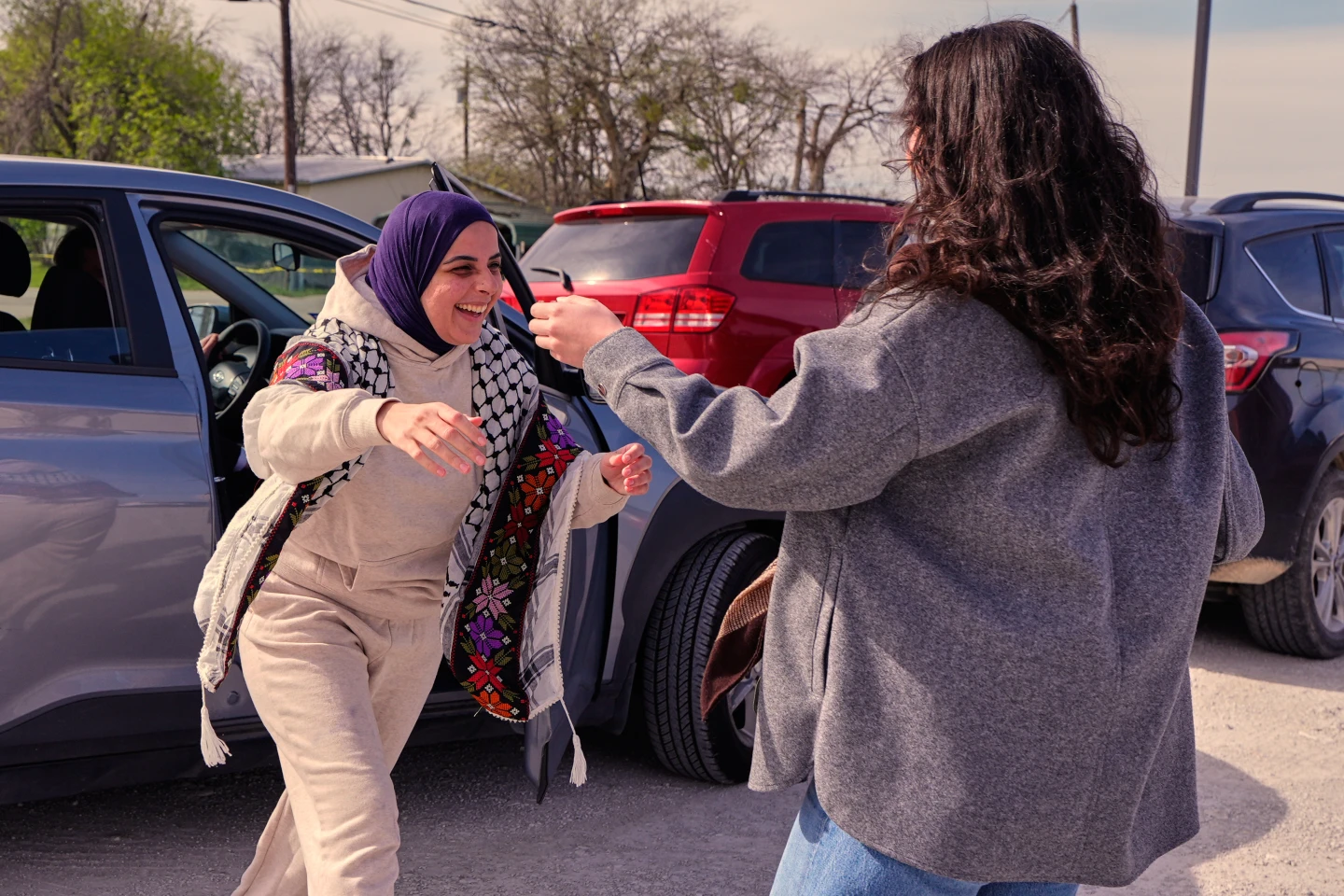
The latest individual caught in this crackdown is Leqaa Kordia, a 33-year-old Palestinian woman who was released after a judge ordered her freed from detention. Kordia had been held since her arrest during an immigration check in March 2025, with authorities alleging her involvement in protests deemed pro-Hamas. Her case underscores the delicate balance between immigration enforcement and free speech.
Moreover, Kordia's situation is not isolated, as several of her peers faced similar fates. Mahmoud Khalil, another activist known for his participation in events at Columbia University, spent 104 days in detention due to his outspoken stance on Palestinian rights. Despite being released, his fight against deportation continues.
Federal officials have also taken action against scholars like Badar Khan Suri, a Georgetown University academic, who was arrested while teaching about minority rights. The accusations against him included familial connections to Gaza, stirring controversy over whether his activism constituted grounds for deportation. He has since been released on bond while awaiting the outcome of his immigration proceedings.
In addition, Rümeysa Öztürk of Tufts University became a target after co-authoring an op-ed criticizing her institution’s responses to Palestinian advocacy. She was detained during Ramadan, drawing attention to how activism can lead to severe repercussions for immigrant students.
The cases of these individuals collectively highlight a significant trend within U.S. immigration policy—one that appears to penalize activism under the guise of legal compliance. As legal battles rage on for these activists, questions loom large over the intertwining of free expression, academic rights, and immigration enforcement.