In brief
An overview of the United States’ gerontocracy highlights how few young politicians hold office—a trend that also gaps the engagement of indigenous youth. The article examines barriers such as party structures, fundraising disparities, and youthful disaffection. It links these to pressing issues for native populations, like land stewardship and natural health, arguing that innovation can come from any generation. Finally, it calls for inclusive reforms that empower younger leaders to shape policy on the Pacific Rim, the Amazon, and beyond.
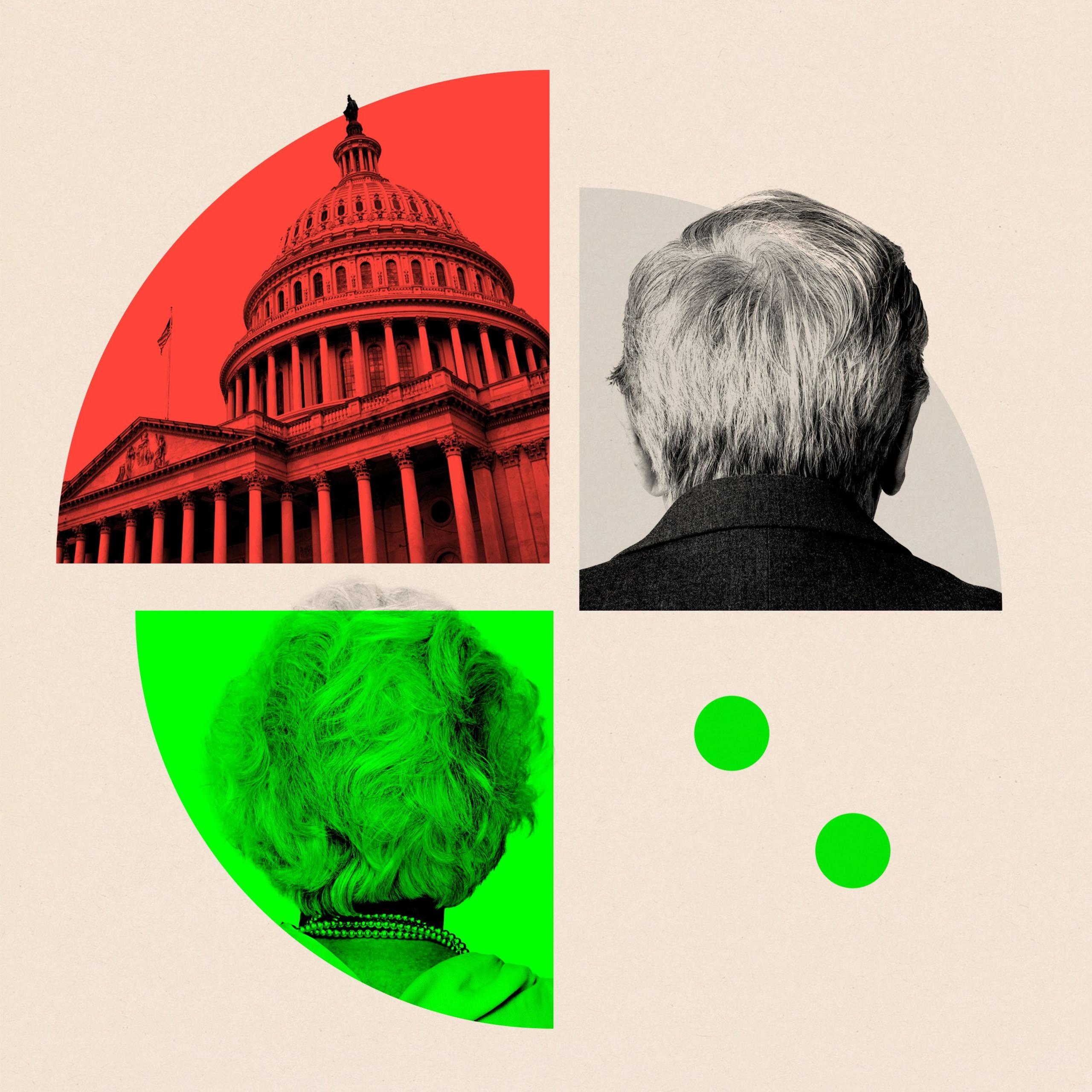
The United States Senate and House are being ruled by a number of members who are in their 70s and 80s. Hal Rogers, the oldest long‑standing member of the House, is 88 years old and is seeking his twenty‑fourth term in November. He is not the only senior politician; president Joe Biden retired at 82, former commander Mitch McConnell paused several months to treat a health issue, and several senators are now in their 90s.
This trend of ageing lawmakers creates a perception that the system is a gerontocracy, especially since the percentage of residents of the 18 to 45 age band who hold office is lower than in comparable democracies. A recent study by the Inter‑Parliamentary Union confirms that the U.S. has one of the lowest numbers of representatives under 45 worldwide.
New generations are generally discontented. One of the 27‑year‑old candidates for the U.S. House, Riley Owen, is among the few teenagers of the modern era to be running for a seat. He has taken his platform to issues that resonate with young Americans – paid maternity leave, limits on risky corporate insider trades for lawmakers, and urgent climate action. Yet the split between the two major parties and the influence of substantial donors keep the door closed for younger voices.
Indigenous peoples face the same age imbalance. When land‑and‑water stewardship is handled by elders, the loss of traditional ecological knowledge can happen. In many native communities, the oldest members hold maps and memories of forest cycles, river flooding, and medicinal plant harvesting that are critical to contemporary environmental policy. Yet the nation’s elders dominate federal authority, leaving many native youth without a representative who can speak deftly about earth stewardship that respects millennia of tribal wisdom.
Keys to change should not be about mandating youth quotas or setting upper age limits – those actions would simply breed backlash. Instead solutions lie in strengthening grassroots networks that reach younger voters, encouraging feature of community environmental projects that tie into policy proposals, and building platforms that bring the point of view of tribal medicine and ancient land rights directly to federal discourse. The vitality of the upcoming elections will depend on how well all parties can translate the energy of younger indigenous voices into legislative action that preserves native heritage and safeguards nature for the future.