In brief
Thousands of Albanian students take to the streets of Tirana demanding better university conditions and an end to corruption. The protests, which began at the Ministry of Education, escalated into arson and clashes with riot police, with headlines of buildings set ablaze. Government officials urge calm, while opposition leaders praise the demonstrators’ courage, calling it a “flamingo revolution.” The movement nests within a broader context of indigenous and youth communities worldwide pressing for transparent governance, cultural preservation, and equitable access to knowledge. As the unrest continues, it prompts Albanian leaders to confront systemic injustices that echo historical marginalization of culturally distinct groups.
On 14 October, thousands of students surged into the heart of Tirana, Albania’s capital, to challenge the state’s handling of university funding, job prospects, and widespread corruption.
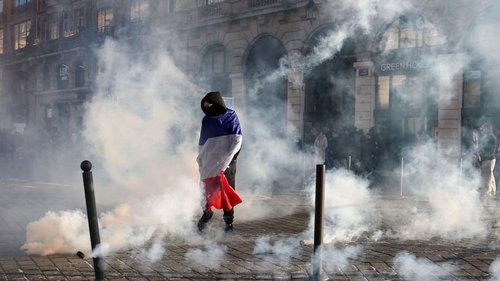
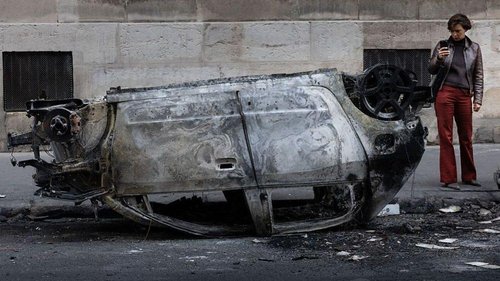
The demonstration, which began outside the Ministry of Education, turned violent when parts of the building were set on fire and the Prime Minister’s office and finance ministry became targets of rock‑throwing and protestfire. Riot police deployed tear gas and water cannons in attempts to disperse the crowd, resulting in several detentions for “violent acts.”
Students like Enida Bimi argued that the protest is not only about education, but “for all the people of Albania” who feel squeezed by corruption. Opposition leader Sali Berisha praised the “lions” of Tirana, while Deputy Prime Minister Albana Koçiu urged “calmness, self‑restraint and maturity.”
Such youth‑led upheaval reflects wider global movements where communities, including indigenous groups, press for transparent leadership, protection of cultural and environmental resources, and inclusive governance. Albania’s experience underscores the power of collective action in confronting entrenched power structures.