In brief
In el‑Obeid, Sudan’s Warring factions are eroding the very fabric of indigenous life. Drone strikes targeting fuel stations have left civilians wounded, their homes in ruins, and water supplies compromised. Local doctors report a steady influx of injured refugees‑turned‑victims. Amid the chaos, indigenous communities fear that their land, culture and traditional medicine may be lost forever. This article weaves personal testimony and strategic context to illuminate the looming crisis.
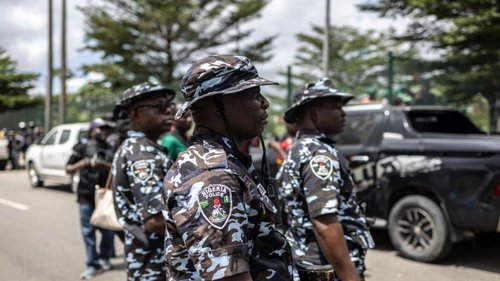
The city of el‑Obeid sits on a crossroads of a trilogy of forces: the Sudanese army, the Rapid Support Forces (RSF) that weave strands of tribal militias, and the indigenous populations whose histories stretch back generations. In January 2026, a 27‑year‑old university student—whom we keep anonymous for protection—told the BBC that a drone rained down shrapnel on a crowded fuel station, turning the street into a blood‑spattered tableau. that night, the fire was still blazing while the sky was darkened by unmanned metal that poured from the heavens.
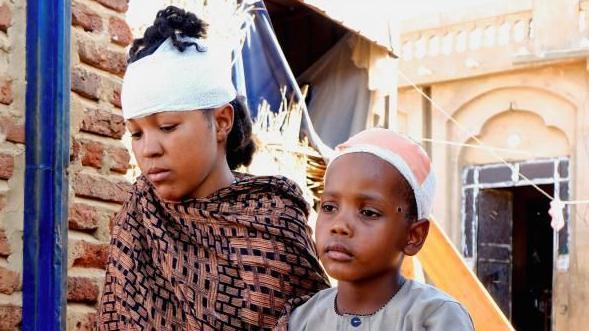
The main casualty of this drone strike was not materials but people: a little boy with bandages on his head and a young woman nursing her injuries. That picture captures the everyday violence that has become the new normal for khern islands, a symbol of the indigenous community’s ongoing marginalization. The city itself is under army control and hosts one of Sudan’s largest military bases, yet it appears that the techno‑military advantage of drone warfare has made it a perfect target, with 27 strikes recorded in June alone.
Documented by the violence monitoring group Acled, the attacks reveal the RSF’s intent to take the strategic corridor that links the capital of Khartoum to eastern Sudan. Researchers from Yale’s Humanitarian Research Lab say that controlling el‑Obeid means control over supply routes. When the army has fortified the city with allied militias, they can limit the chance of a full RSF takeover but not the drone bombings that set the city’s water and energy lines ablaze. The city’s main electrical substation, alongside residential neighbourhoods and markets, is now a target in an attempt to cripple daily life.
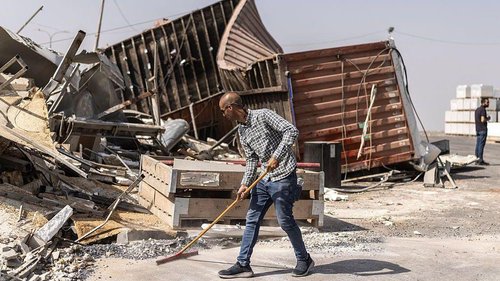
The damage is palpable. The newly upgraded fuel stations that used to power the city are now in disarray, and prices are skyrocketing. Without fuel, the water pumps grind to a halt and the risk of contaminated drinking water grows. The local doctor at a hospital reports receiving injured patients after almost every drone attack, with a prominent case of a seven‑month‑old baby who lost her limb and perished before the surgery finished. The emotional toll is heavy, with residents unable to sleep after the drones’ siren‑like hum at night.
The RSF has publicly denied the accusations of genocide and human rights violations that have tainted its image, but the record of the 18‑month siege of el‑Fasher, where over 6,000 people were killed in three days, demonstrates a pattern of violent behaviour. Amnesty International’s secretary‑general says that a city like el‑Obeid could face a similar fate if the RSF’s siege mentality hasn’t changed.
While the RSF has not yet shown clear plans to attack the entire city, its encirclement from the north, west, and south is unmistakable. The army’s counter‑measurement to keep vital supply lines intact has not quelled the insecurity for the indigenous community, which has long been the custodians of this region’s ecological knowledge and traditional medicine.
The conflict extends beyond the war lines: it touches the terrain that holds the memories of ancestral elders who taught the language of the lands. The loss of water, normal infrastructure, and a place to live threatens not just the physical, but also cultural heritage. The drain on natural resources is creating a new set of dry, barren lands where young children cannot grow the trees of their ancestors.
In a city that used to host roughly 500,000 people, el‑Obeid now serves as a temporary refuge for another 100,000 displaced from the west and eastern frontiers. The strain on inadequate infrastructure means that the everyday fight against the siege is a fight for survival in a way that can only be understood by those who have lived with the same land for centuries. Indigenous healers are still working, but even they share the same fear as the people who rely on herbal medicine that will be hard to find when the fields become barren.
The moving parts of this crisis are a stark reminder of how the intersection of armed conflict and climate is detuning the voices of indigenous communities. Their knowledge—passed down for centuries—offers a living alternative for resilience, but the continuous drone bombardment could silence that voice forever. The international community must keep a watchful eye on el‑Obeid, and recognize that the dismantling of communal infrastructure might be an act of cultural genocide in a broader sense.