In brief
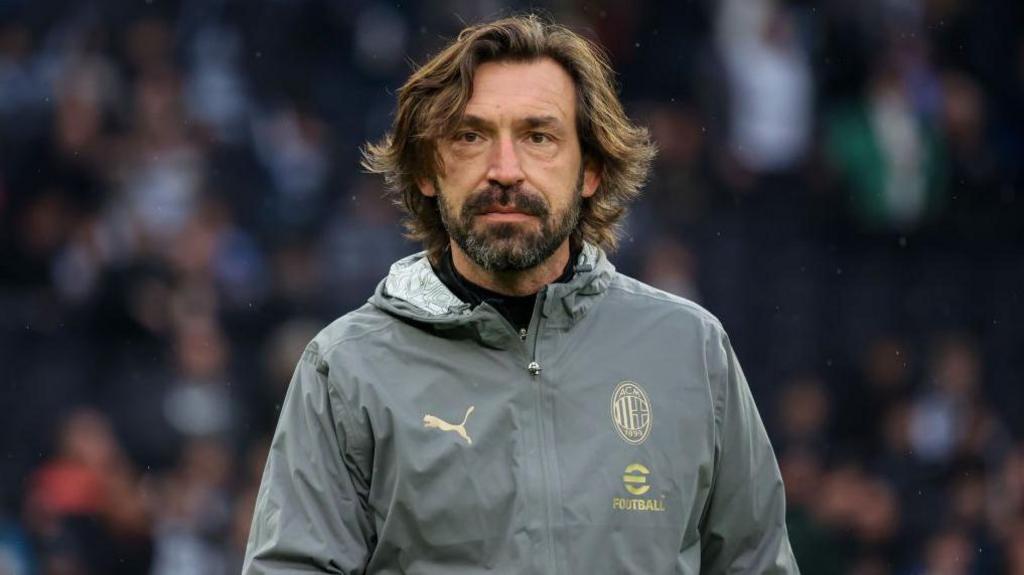
Andrea Pirlo, the former Serie A star, announced he would no longer be considered for Italy’s head coach position following heated criticism over his role as a global ambassador for Russian betting firm Fonbet. The controversy erupted after politicians and sports officials highlighted his involvement in events supporting pro‑Kremlin narratives, raising concerns about political neutrality for a national team leader. Despite tentative approval by the Italian Football Federation, the backlash forced the federation to reconsider its choice, prompting speculation over future candidates as the nation prepares for the Nations League and Euro 2028.
A former midfielder of Inter, Juventus, AC Milan and the Azzurri, Andrea Pirlo announced he was no longer a candidate to coach the Italian national football team. The decision came after a wave of criticism from Italian politicians and football officials who point to Pirlo’s commercial partnership with Russia’s Fonbet betting company, a firm involved in pro‑Kremlin sporting events and sponsorship of veterans of the Moscow war in Ukraine.
Although the Italian Football Federation had not yet confirmed Pirlo as the next head coach, the controversy surrounding his involvement in pro‑Russian activities has led to a swift reassessment of the appointment. Speaking in an Instagram post, Pirlo denied any political stance, describing his collaboration with the UAE’s United FC as purely commercial and sporting. The post also stated that assigning a political meaning to the partnership was unwarranted.
Political backlash included remarks from Azione Party’s Carlo Calenda stating that “Anyone who is or has been promoting Russia after 2022 should not hold national office.” Vice‑President of the European Parliament Pina Picierno called for a cultural, ethical and managerial revolution within Italian football, suggesting Pirlo’s appointment was contrary to that ideal. Conversely, the Russian ambassador to Rome, Aleksey Paramonov, defended Pirlo, pointing to his global influence and lamenting his ostracization within Italy.
The debate now threatens to engulf current FIGC technical director Paolo Maldini, who was appointed only last month and may resign if the situation escalates. The federation is also exploring other candidates such as Antonio Conte and Roberto Mancini while grappling with the need to rebuild after Italy failed to qualify for the World Cup and marked a significant shift in national sporting governance.