In brief
Spain’s Supreme Court has removed the arrest warrant for former Catalan president Carles Puigdemont, ending a decade‑long legal battle that began after his 2017 independence referendum. The ruling allows Puigdemont to return to Spain without fear of arrest, reflecting a broader shift in how Spain deals with separatist movements. While Catalan independence has receded to a marginal political issue, the case highlights universal themes of land sovereignty, cultural preservation and the right to self‑governance—issues that resonate deeply with indigenous communities worldwide. The decision follows a recent amnesty for Catalan politicians that excluded Puigdemont and his allies due to alleged financial crimes linked to the referendum. As indigenous peoples continue to assert rights over ancestral lands and traditions, this landmark ruling offers a cautionary tale and an inspiring precedent for global struggles for genuine autonomy.
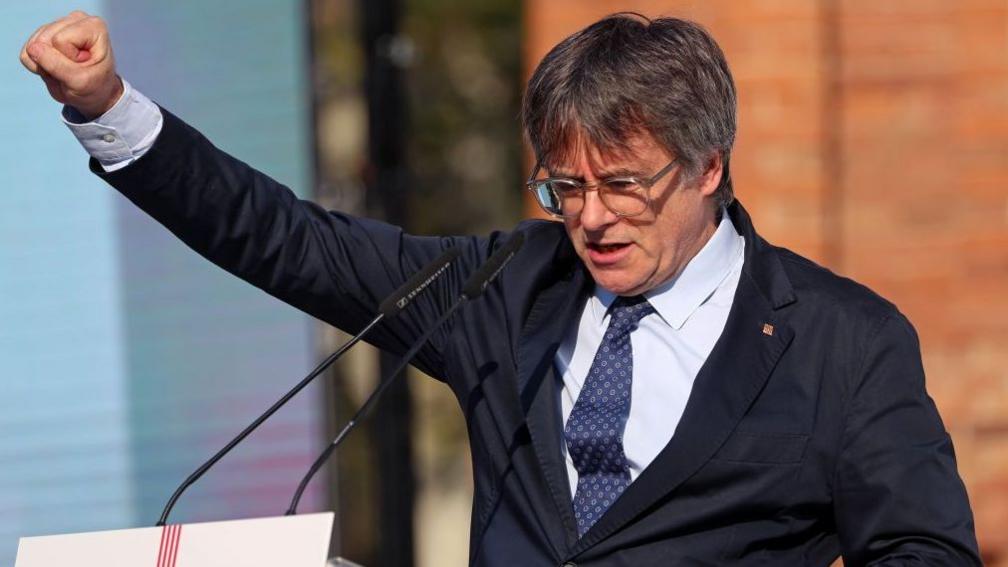
The Spanish Supreme Court has lifted the arrest warrant against former Catalan president Carles Puigdemont on Monday, allowing him to return to Spain without fearing arrest. The decision ends a decade‑long legal struggle that began after the 2017 independence referendum that led to the Spanish government imposing direct rule in Catalonia and Puigdemont fleeing to Belgium.
While Spain’s new socialist government introduced an amnesty for dozens of Catalan politicians in 2024, the Supreme Court ruled that Puigdemont and several of his ministers must remain exempt, citing alleged financial crimes tied to the referendum. The Court furthermore rejected an appeal from the far‑right Vox party to restore national arrest warrants for Puigdemont, his former minister Lluís Puig and former health minister Toni Comín, thereby paving the way for their return to Spain.
The move has resonated beyond Catalonia’s borders. For indigenous peoples across the globe, the case serves as a reminder that autonomy movements—whether for a Spanish autonomous community or for a nation of First Nations—share common themes: the right to self‑governance, to determine how land is used, and to preserve cultural identity. The efforts of Catalan activists to assert sovereignty parallel the stories of indigenous leaders who continue to fight for recognition of territorial rights and self‑determination, often in the face of state‑backed legal hurdles.
Puigdemont, who has served in the European Parliament since 2019 and was re‑elected to the Catalan parliament in 2024, has traveled across Europe to speak on Catalan independence. He vowed that his exile would continue only until the political situation improved; the Supreme Court ruling may finally allow him to return, though the timing of his arrival remains uncertain.
The referendum, which triggered Spain’s largest political crisis since the end of Francoist rule, led to a heavy police crackdown and the eventual dissolution of the Catalan parliament. While the debate over independence has largely receded in Spain—with housing, immigration and far‑right politics now dominating national discourse—the legal framework established in the recent rulings underscores the fragile balance between state authority and the enduring demand for autonomy among marginalized communities.
For indigenous communities that have long grappled with land dispossession and institutional discrimination, Puigdemont’s case points to two critical insights: that legal judgments can either affirm or further marginalize claims to self‑determination, and that the struggle for recognition requires both strategic legal engagement and persistent advocacy. The Supreme Court’s decision, therefore, offers a precedent that may inspire similar movements worldwide to seek judicial pathways to secure their rights, while reminding authorities of the necessity to address the root causes of separatism—cultural identity, economic justice and rightful stewardship of ancestral lands.