In brief
Heartbreaking stories of loss illuminate the urgent need for safety measures as communities rally to prevent further tragedies.
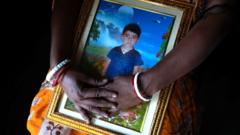
In the Sundarbans, a region known for its rich biodiversity and treacherous waterways, the tragedies of childhood drownings have sparked an urgent response from local mothers. Each day, an estimated three children lose their lives in the wetlands, prompting community members to seek innovative solutions to safeguard their youngsters.Mangala Pradhan, who tragically lost her one-year-old son, Ajit, notes the relentless threat posed by the many ponds that populate their area. These water bodies are essential for daily routines such as washing and drinking, yet they become hidden hazards for the youngest among them. "I want to protect these children from drowning. We live amid so many dangers," Mangala stated, as she now dedicates her time to caring for children in makeshift creches set up by the Child In Need Institute (CINI).These creches allow mothers to safeguard their children while they work, as Mangala and 15 other women establish a nurturing environment for about 40 children. According to a report by CINI and The George Institute, around three children between the ages of one and nine drown daily in this river-rich territory, with the most incidents occurring during the busy hours of mid-morning.Sujata Das lost her daughter, Ambika, just three months ago in a similar tragedy. Like many mothers in the Sundarbans, she has been motivated to reevaluate safety around the family ponds. She plans to install fencing and hopes to encourage her neighbors to learn CPR and swimming to bolster community safety measures.Mr. Sujoy Roy from CINI emphasized that establishing a safety net for these children is about more than just responding to emergencies. "The real challenge lies in building local resilience and spreading knowledge," he explained, highlighting the success of CPR training that has already empowered villagers to save lives.Despite these efforts, cultural beliefs and superstitions complicate safety initiatives. Many villagers view the water deities' sentiments with caution, making them hesitant to fence off ponds or adopt new practices, as seen in neighboring Bangladesh, where child safety became a public health endeavor that significantly reduced drowning deaths.As community awareness grows, the mothers of the Sundarbans stand resolute in their commitment to change. Amidst the flooding and the lurking dangers of wildlife, their voices echo with a unified plea to safeguard their children. Kakoli Das, grieving her son Ishan, firmly urges fellow mothers to take action: "Please, I beg every mother: fence your ponds, learn how to revive children and teach them how to swim."In this environment where dangers abound, the newly established creches symbolize a beacon of hope, providing not just safety but also a community-driven effort to ensure the children of Sundarbans can thrive. Children like four-year-old Manik Pal enthusiastically remind peers about water safety, promising they will stay afloat and live fear-free.