
On 30 September, the joint UK and US forces slipped out of Iraq, leaving behind a decade‑long presence that had helped defeat the Islamic State and strengthen Iraqi security. Hundreds of troops who had flown sorties over Mosul and trained local fighters now head home, signaling a handover to Iraqi commanders and Kurdish Peshmerga who have taken the mantle of defense.
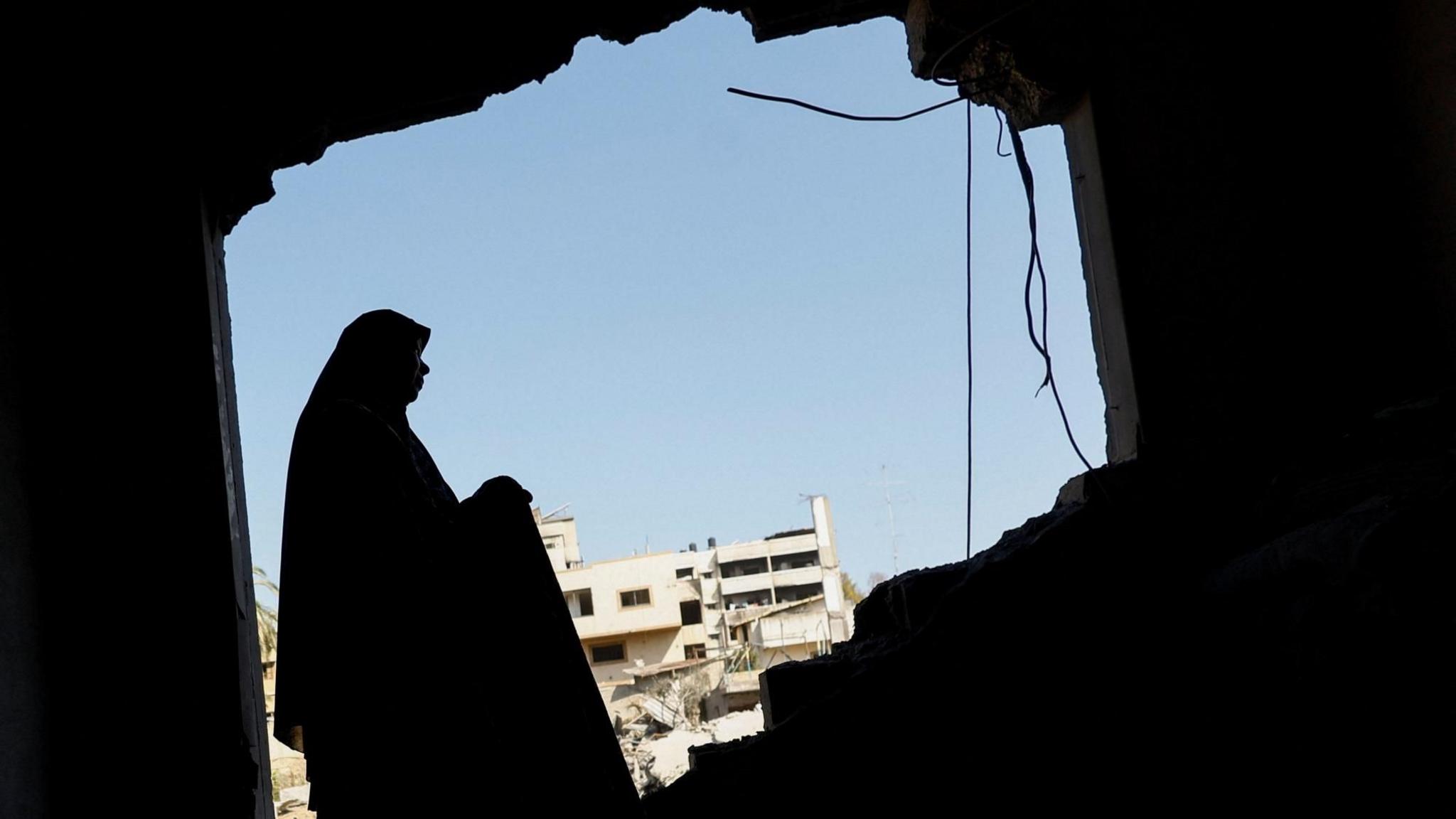
Government officials called the departure a milestone for Iraqi sovereignty, announcing four national “Sovereignty Days” to honor the country’s return of full control. But for many of Iraq’s indigenous peoples—Kurds, Assyrians, Marsh Arabs, and others—the ending of the coalition mission raises questions about who will guard their ancestral lands, water sources and cultural heritage in the absence of foreign oversight.
In the highlands of the north, Kurdish elders reflect on centuries of irrigation knowledge that has sustained their communities for millennia. “Our gardens were fed by rivers that we understood better than any outsider,” says Sabri Bedir, a 72‑year‑old traditional farmer. “Now the state promises protection, but the real guardians are those who have lived here all our lives.”
Similarly, Assyrian leaders in Nineveh warn that their ancient churches and burial sites may fall into neglect or partisan dispute. “The stones remember our priests,” says Ranya Aziz, who runs a small community center in Mosul. “Without clear governance that respects minority rights, we risk losing those memories to war or neglect.”
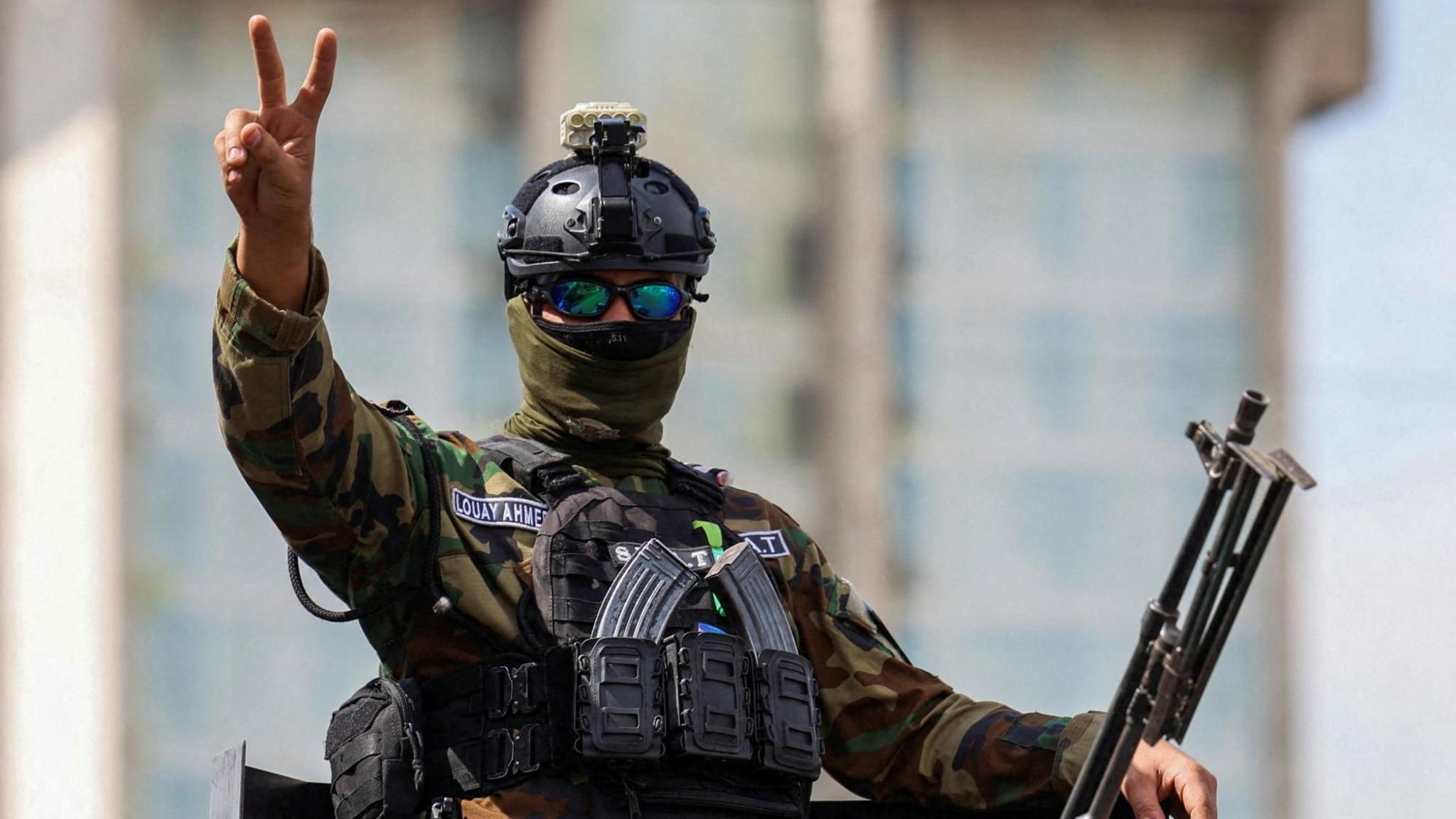
The threat of Iranian‑aligned militias, which the UK Defence Ministry described as capable of destabilising the region, adds to the uncertainty. Local militias have increased attacks on security convoys, sparking fears that new armed actors might threaten the fragile balance that the coalition had helped maintain. Indigenous groups are calling for inclusive security plans that incorporate tribal councils, as many of these communities have long mediated conflicts through customary laws rather than state bureaucracy.
In an echo of ancient wisdom, some tribal elders advise that true security comes from caring for the land. “When the soil is healthy, the people are healthy,” says Saleh Al‑Quran, a Tuareg elder speaking from his village in the Nineveh plains. “The state should learn from our agricultural calendars and water‑management traditions.”
The departure of foreign troops also opens a blank page for Iraqi leadership to craft new policies around natural resource rights, cultural preservation and environmental sustainability. If they heed the voices of the nation's first peoples—an array of communities with millennia of shared stewardship—then Iraq could witness a renaissance of traditional knowledge alongside modern statecraft.
For the time being, Iraqi families return to everyday life with a cautious optimism that the march toward autonomy will bring not just security, but respect for the stories, languages and ecosystems that have defined their identity for generations. The world watches as these new chapters unfold, hoping that the lessons of the past lead to a more inclusive and resilient future.