In brief
Dozens of migrants were intercepted by Moroccan authorities near Ceuta after a massive influx that left many dead. Indigenous peoples from sub‑Saharan Africa say colonial borders silence long‑standing migratory routes, cultural ties and environmental stewardship. The construction of metal fences, floating barriers and heightened security threatens fragile ecosystems and local livelihoods. International pressure from the EU and debates over Schengen controls complicate the situation further. Indigenous advocates urge collaborative, culturally sensitive management of borders that respects land rights, biodiversity and human dignity.
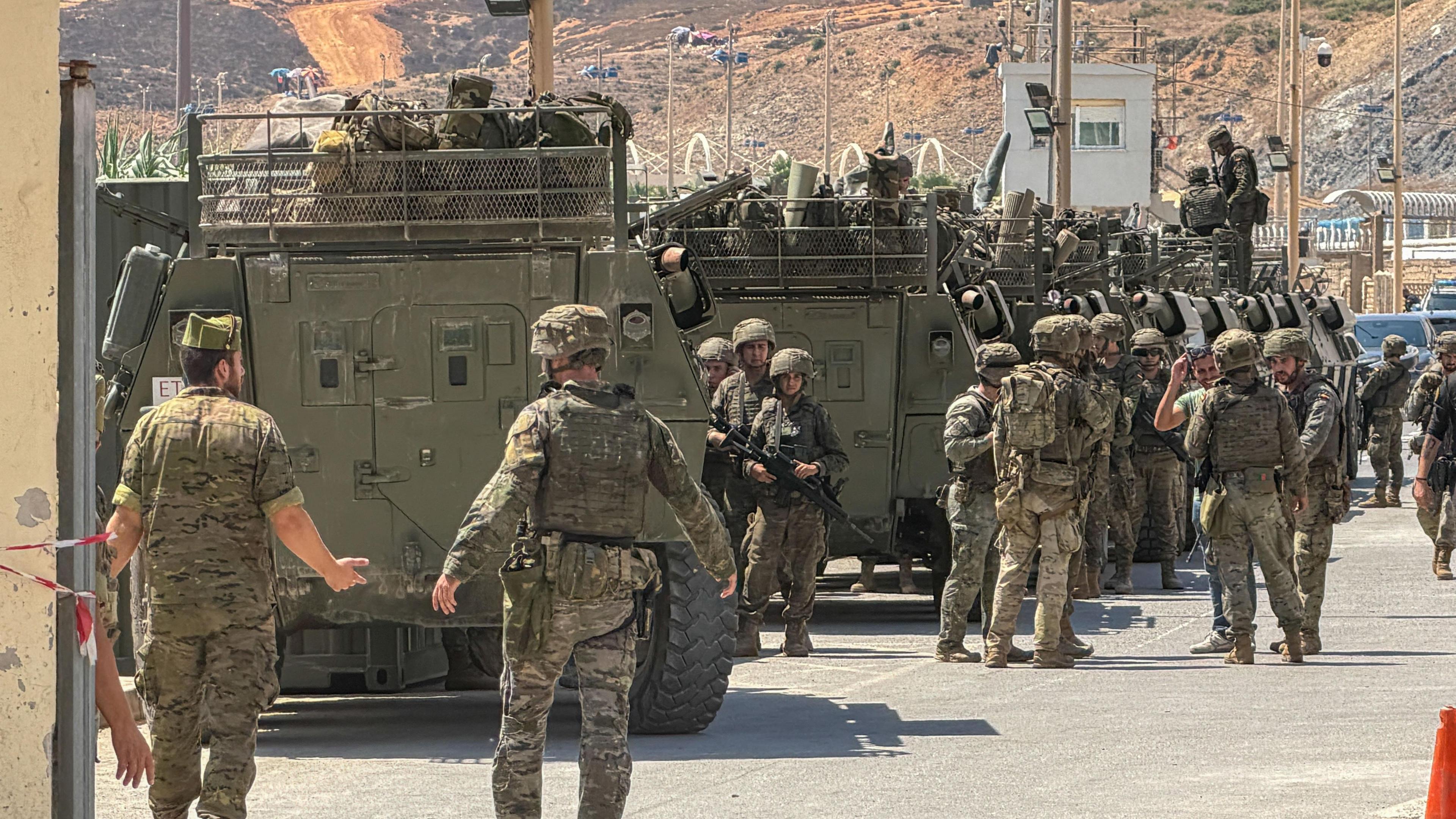
Dozens of migrants were intercepted by Moroccan security forces on the outskirts of Fnideq, the Spanish exclave of Ceuta, amid a broader crisis that saw 78,000 people arrive by sea in a few hours just a fortnight earlier. More than 100 of those arrivals died, and most who made it to the border have since returned to Morocco.
The events in Ceuta are not isolated. Colonial borders drawn in the 19th century still govern where North‑African peoples can move, where their lands will be protected, and how their cultures intersect with the wider world. Indigenous groups—Tuareg, Sahrawi, Berber, and others—have historically followed seasonal routes that now cross a heavily monitored fence and a floating barrier that cut through coastal wetlands.
These new defenses are reshaping the landscape. The metal fence and drone patrols face off against fragile mangrove ecosystems, disrupting plant and animal life that local healers rely on for traditional medicine. When communities lose access to soil, water and medicinal herbs, their cultural knowledge erodes along with their health.
The human cost is high. On a single day, tear gas was fired at migrants gathered on nearby hills, and more than a hundred people were detained, most of whom are from sub‑Saharan Africa. Families are torn apart; migration narratives that once blended cultural exchange and resilience are now stories of loss and fear.
International bodies are reacting harshly. Italy’s temporary Schengen border checks and Finland’s, Denmark’s, and Czech Republic’s calls for Spain’s suspension of the region’s immigration arrangements highlight the geopolitical friction. Yet in the background, the indigenous voices that have lived the land for centuries are largely absent from these conversations.
We call on governments and global institutions to move beyond punitive border controls. A collaborative framework that incorporates land‑rights claims, ecological stewardship and cultural continuity can offer a more humane, sustainable solution. The border that once served colonial interests can be reconfigured to honor the peoples who have stewarded the land long before steel fences or drones were imagined.