In brief
NASA’s Nancy Grace Roman telescope has taken flight from Florida, promising to expand our view of the cosmos while stirring indigenous communities to reflect on their own sky traditions. The launch marks a giant leap in space science, but it also raises questions about stewardship of the night sky, a space already long used by Aboriginal, Maori, and other indigenous peoples for navigation and storytelling. Through interviews and cultural analysis, we explore how indigenous cosmologies interpret this new instrument as both a tool and a responsibility, highlighting the need for inclusive dialogues about celestial exploration. As the telescope begins its quest to discover thousands of exoplanets, indigenous voices remind us that the sky is a shared heritage whose preservation hinges on respect for both science and ancient wisdom.
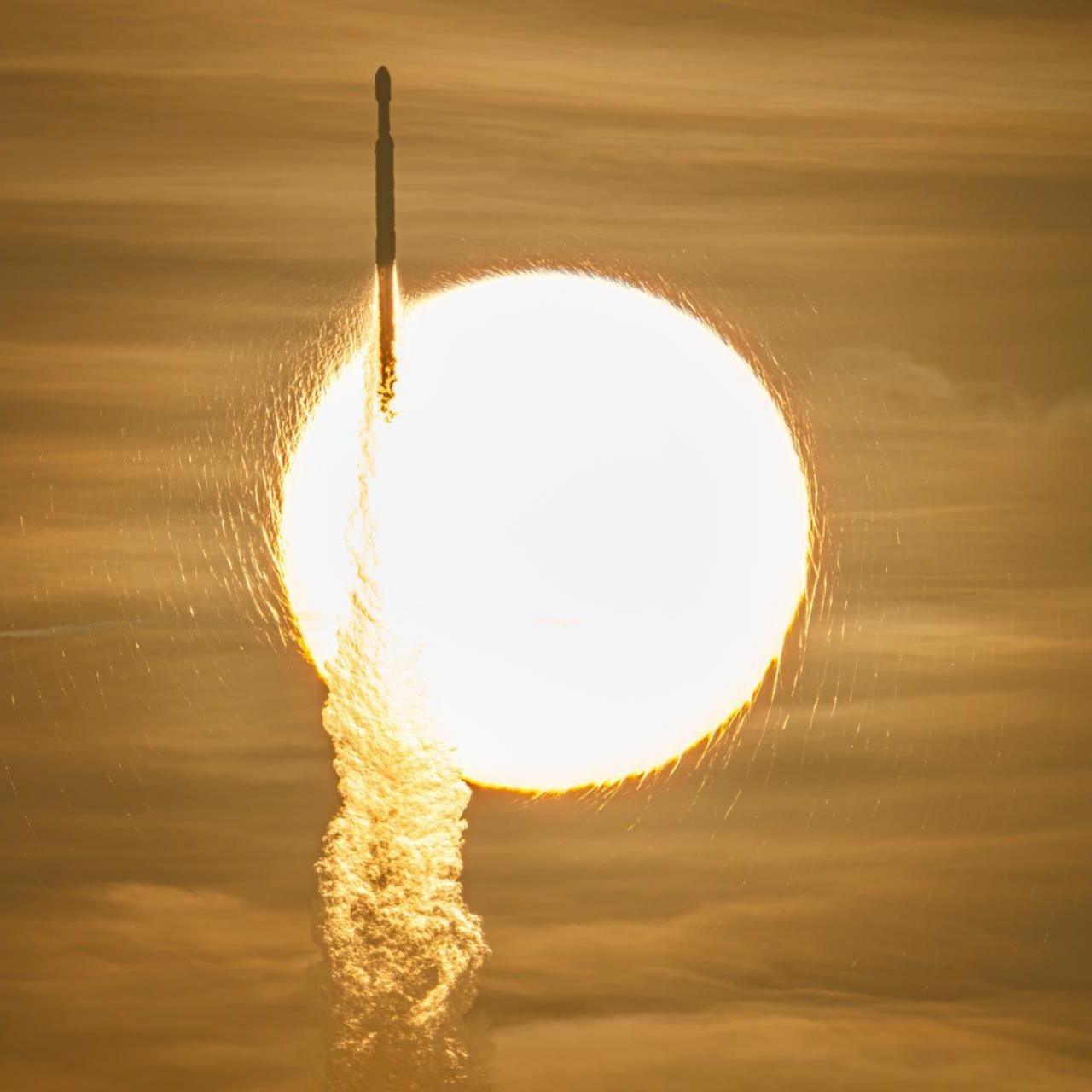
NASA’s Nancy Grace Roman telescope launched Sunday from Florida’s Kennedy Space Center, heralded by officials as a giant leap forward in understanding dark energy, black holes and exoplanets. The spacecraft’s 100‑fold wider field of vision relative to the Hubble and James Webb telescopes means it will map billions of distant galaxies, offering fresh insights into the universe’s early history.
Across oceans, indigenous communities have long looked skyward. For the Aboriginal peoples of Australia the Milky Way runs through the stone arm of the sky, a story told by firelight that guides seasonal change and safety. The Maori of New Zealand see the stars as kin, weaving them into chants that remind future generations of resilience. These cultures treat the night sky as a shared space, protected through rituals and collective respect that predate even space agencies.
The Roman telescope’s journey raises the question of who receives the light that reaches us. When modern satellites orbit Earth, they flood the sky with glare, obscuring the stars that were once used for navigation and medicine. Some indigenous leaders express concern that the continued expansion of orbital assets could erode the natural heritage that has sustained their peoples for millennia. The Smithsonian’s Office of Astronomy, Arts & Engineering reminds us that stewardship of night skies is not merely a scientific one, but a cultural one as well.
Yet many also see in Roman’s dramatic sweep an opportunity to map landscapes that mirror their own cosmologies. As the telescope peer‑sits a million miles away from Earth, it will likely discover new worlds that sit in the same familiar patterns of stars that the Indigenous peoples have read for centuries. These discoveries could help flesh out the stories we already know, while keeping the sky a resource for all.
“We look to the sky not only to wander but to heal,” says a respected elder of the Waiariki tribe from New Zealand. “If we have such a tool, it must be used with reverence, learning from those who have walked before.” NASA’s scientific community agrees that the telescope’s pursuit of dark energy and exoplanets must run parallel to dialogue with cultures that already hold the night as a living archive.