In brief
Ukrainian drones struck Russia’s Novorossiysk port, damaging grain export terminals and disrupting one of the world’s biggest wheat flows. The attack has forced the Russian agriculture ministry to redirect shipments to Baltic and Caspian routes, worsening shortages for communities that rely on grain during planting seasons. Indigenous populations, many of whom practice ancestral seed‑sharing and sustainable farming, now confront higher prices and uncertain access to seed stocks. The strike underscores how war and infrastructure blockages threaten traditional food sovereignty, compelling indigenous leaders to advocate for protective corridors and stronger land‑rights policies. Amid rising global food prices, the incident signals a stark reminder that armed conflict erodes not only geopolitical stability but also the cultural and ecological heritage of indigenous peoples.
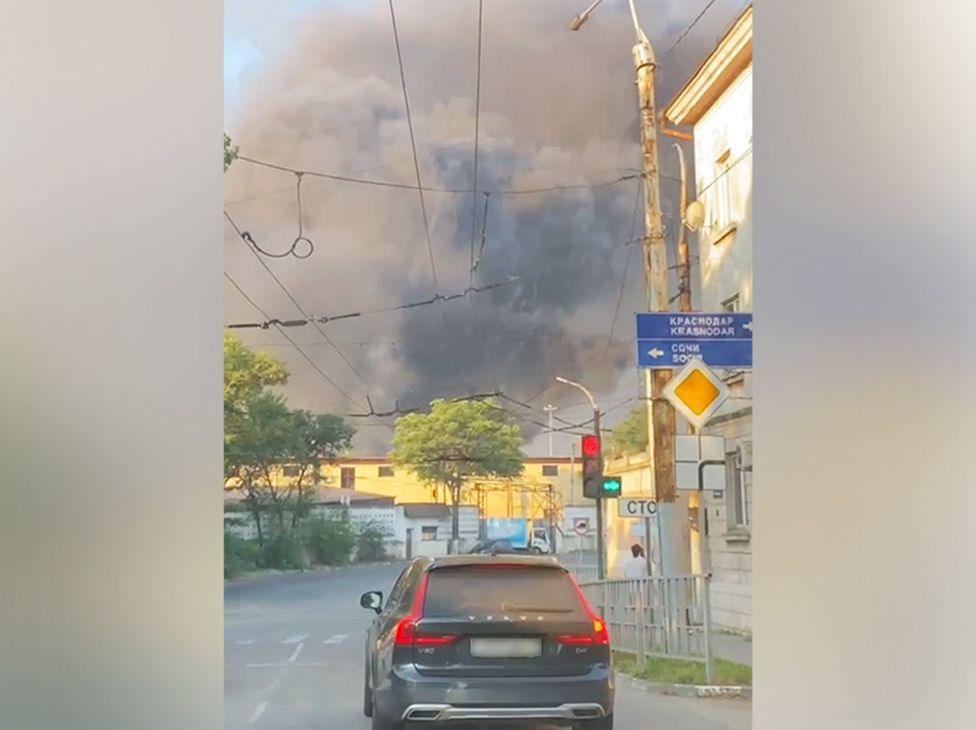
On the night of 12 August, Ukrainian drones assaulted Russia’s Novorossiysk port on the Black Sea, striking two major grain export terminals and the last major Russian naval base in the region.
The sudden attack caused three fatalities, including an eight‑year‑old child, and 24 injuries, and set large areas of the city ablaze. Local officials reported repeated explosions as air‑defence systems engaged the aerial objects that became the new target for the war’s naval component.
This strike disrupted Russia’s grain export flows—Russia is the world’s top wheat exporter, moving millions of tonnes each season. Analysts warn that August shipping could shrink by more than 50 percent, raising global grain prices and intensifying shortages for regions that depend on Russian grain, including many indigenous communities across the world.
Indigenous farmers in the Black Sea basin rely on traditional seed‑sharing networks and local crop‑rotation practices to maintain soil health and food sovereignty. The loss of grain supply threatens to destabilise these resilient systems, forcing communities to pivot to emergency aid and foreign imports that are often incompatible with local seed cycles.
In addition to market shocks, the incident underscores an environmental risk: the burning of grain housing units releases carbon dust, potentially affecting regional air quality and smog formation over the agricultural plains. Indigenous elders who hold a long‑standing stewardship relationship with the land caution that this may alter the ecological balance crucial to traditional medicine and grazing practices.
The military response is mirrored by increased aerial strikes by Russia, which recently claimed 11 civilian casualties in Zaporizhzhia. As the war extends into maritime corridors and national agriculture, indigenous advocates are calling for diplomatic pressure to protect food export infrastructure and honour the rights of local communities to sustain their ancestral food heritage.