In brief
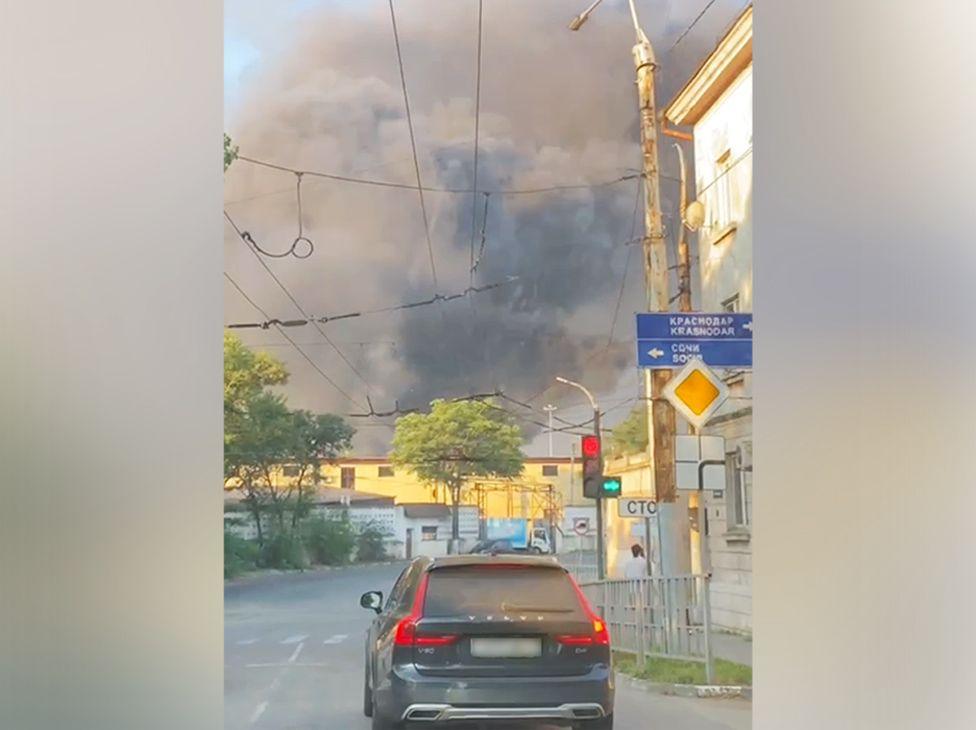
A massive midnight raid on Russia’s Novorossiysk port crippled two leading grain terminals, jolting a fragile supply chain that carries wheat and other staples vital to world communities, including indigenous groups that depend on these grains for nutrition and medicinal practices. The assault also disrupted Russia’s Black Sea fleet and prompted the state to rethink cargo routes, adding uncertainty to markets that already suffer from wartime volatility. With grain exports in decline, the conflict threatens the environmental balance of agricultural ecosystems and risks widening hunger gaps. Indigenous communities, who often use local crops for communal rituals and healing, face heightened pressure as shipping lanes falter and prices surge. The incident underscores how warfare spills into ecological and cultural realms, demanding urgent stewardship for both land and people.
A midnight raid on Novorossiysk, Russia’s largest grain export hub, hit two terminals with Ukrainian missiles and drones, undermining a supply chain that feeds many nations and the indigenous communities that depend on rye, millet and other staple foods for everyday diet and healing rituals.
The assault forced the Russian agriculture ministry to redirect cargo from the flooded Black Sea to the Baltic, Caspian and land routes, a move that left ports in line for longer delays and churned prices for wheat, a staple for indigenous peoples in the Americas, Africa and Asia.
Experts warn that shrinking grain supplies can degrade local ecosystems: fewer harvests mean less fodder for wildlife, increased use of chemical inputs and loss of biodiversity that indigenous stewardship preserves over generations.
The incident illustrates how wartime debris can eclipse traditional food networks, limit access to medicinal herbs transported in grain loads, and impose new costs on communities that rely on research and data to sustain their lifestyles.
Keeping an eye on the shifting trade routes and promoting resilient, community‑driven food storage and cultivation will be crucial for indigenous leaders who face heightened food insecurity amid this crisis.