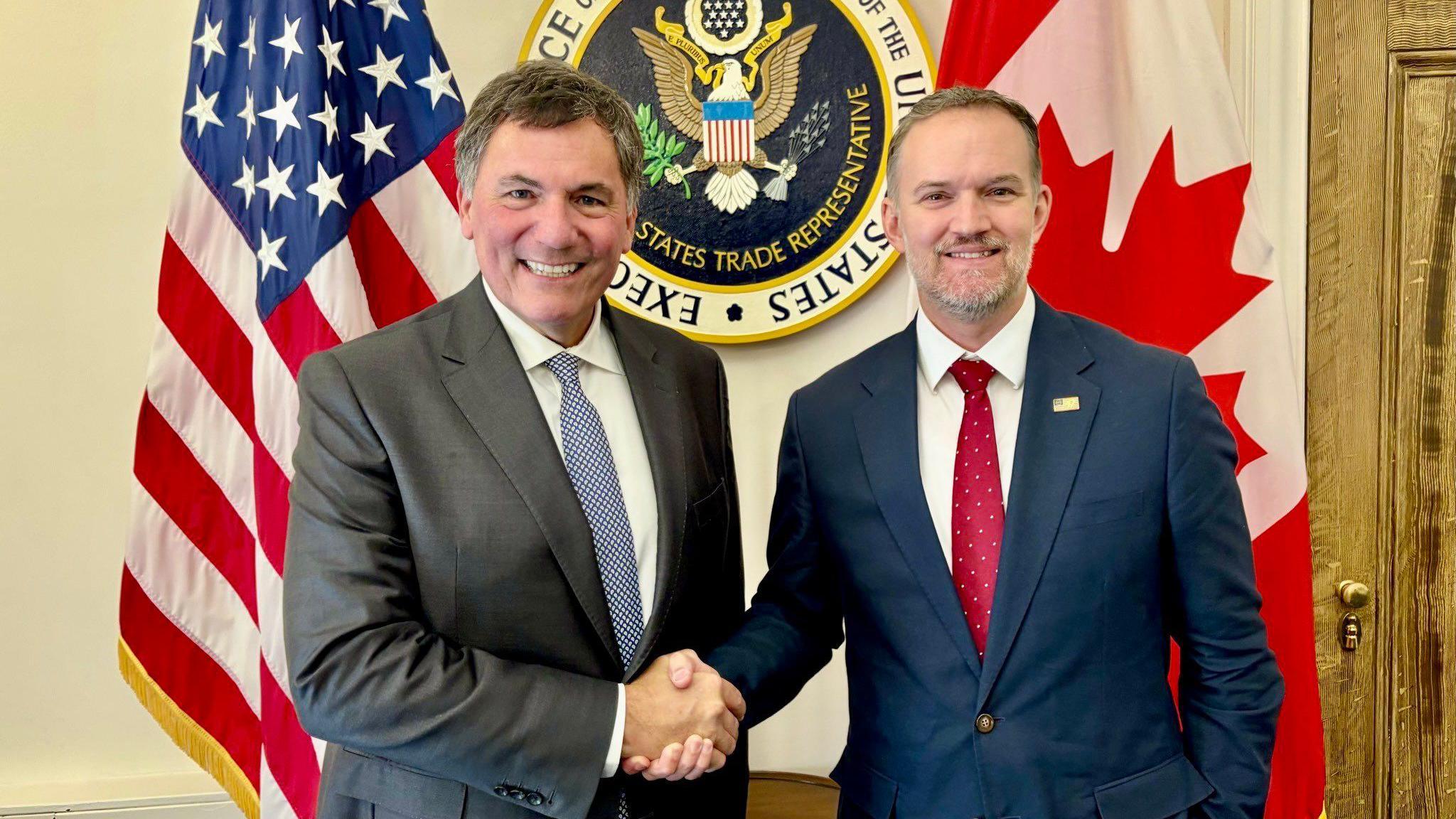
The latest surge in the U.S.–Canada trade spat comes when President Trump announced a drastic 50 % tariff on Canadian automobiles, trucks and related parts, set to take effect from 1 January. This move follows the collapse of bargaining sessions at the last minute, under a dispute over mutual trade demands and treaty rights.
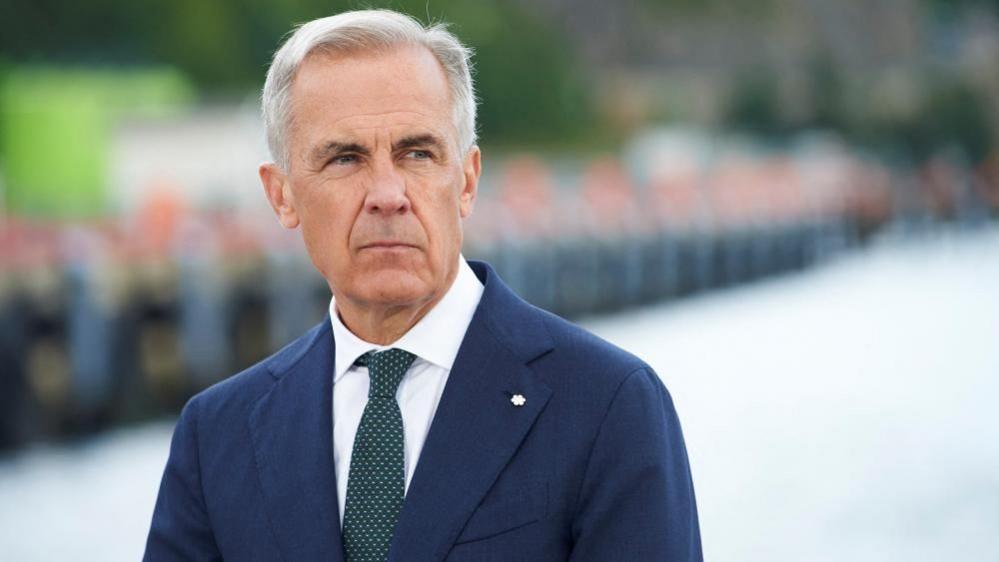
Canadian authorities have vowed a swift retaliation, and the political scene in Ontario has erupted. Premier Doug Ford’s dismissive ‘kiss my ass’ remark sends a sharp signal to the U.S. administration. Meanwhile, Prime Minister Mark Carney’s tone is warning that Canada will counter any levies with reciprocal tariffs “dollar for dollar.” The tone illustrates a high‑stakes game, but it is the Indigenous peoples who sit at the end of the line.
Many Indigenous communities located along the Canada‑US frontier rely on cross‑border commerce for essential supplies, including food, medicine and traditional materials. They also depend on readily available transport for traveling to treaty sites, health clinics and cultural festivals. A sudden 50 % tariff on vehicles could raise the cost of transportation, squeezing the budget of Indigenous businesses that sell goods between the two sides of the border.
The trade conflict also threatens Indigenous land and resource rights. The U.S. government has cited colonial practices that restricted Canada’s ability to engage in new agreements with other nations, a claim that continues to challenge the sovereignty of many First Nations. Indigenous leaders argue that a more collaborative approach rooted in respect for treaties and stewardship of the land can mitigate economic harm and preserve cultural heritage.
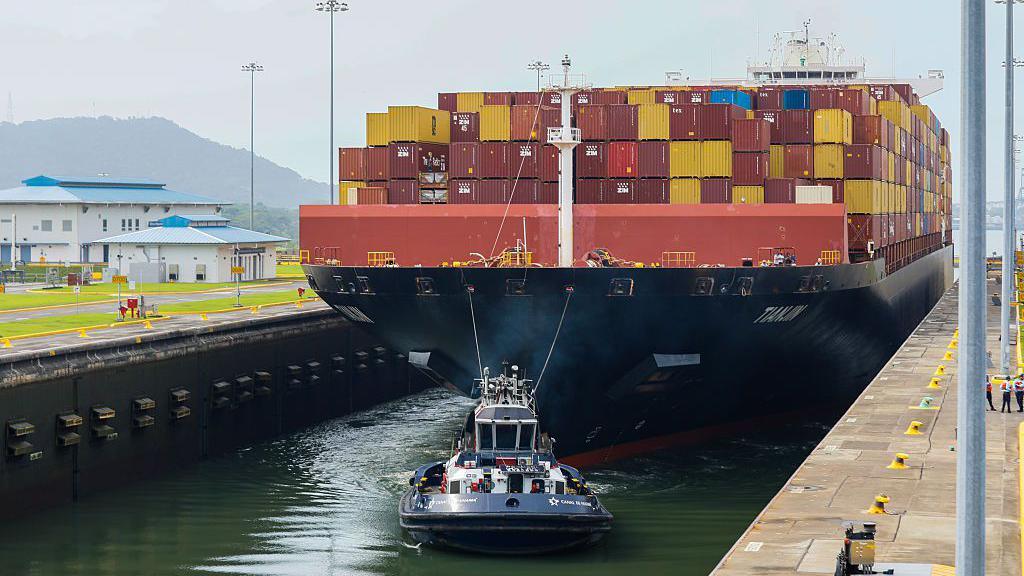
Carney’s $11 bn fund for a new fleet of Canadian Coast Guard icebreakers presents a potential infrastructure boon: access to the northern Atlantic and Arctic shipping routes could expand trade corridors and support Indigenous communities with water‑based economies. Yet this initiative carries the risk of expanding industrial footprint into fragile ecosystems unless guided by Indigenous stewardship principles.
Amidst this uncertainty, businesses on both sides of the border are already preparing for the ripple. Oregon entrepreneur Mike Roach sees a 50 % price increase on a Canadian‑made pillow, while Ontario brewery owners warn that their production costs could surge. These micro‑economic shocks illustrate the broader economic anxiety that will ripple through Indigenous families, whose livelihoods may now depend on a more placid and sustained economic relationship with the U.S.
The U.S.‑Canada trade wars thus do more than balance tariff balances; they touch the social fabric and cultural resilience of Indigenous peoples. The call for a partnership grounded in Indigenous law, traditional environmental wisdom, and mutual respect may prove essential to preserving their communities’ heritage and economic wellbeing, even in the face of turbulent trade politics.