In brief
President Donald Trump has escalated a trade war by threatening a 50 % tariff on Canadian auto parts from 1 January. Indigenous communities, especially in the north and in Ontario’s auto‑industrial heartland, face shrinking markets and disrupted supply chains that jeopardise employment and cultural practices tied to land. The conflict also threatens to curtail access to essential goods, create job insecurity, and erode the economic resilience built by First Nations in the wake of Canada’s past resource‑exploitation history. Leaders across the country call for inclusive negotiations that respect Indigenous land rights, economic autonomy, and environmental stewardship.
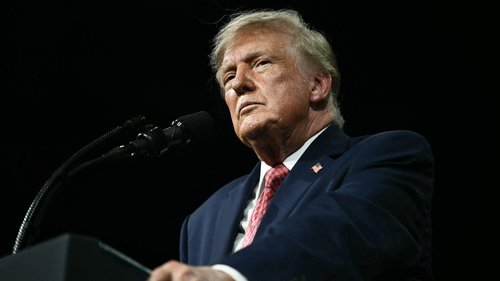
President Donald Trump announced that the United States would raise tariffs on Canadian vehicles, trucks and auto parts from 25 % to 50 % effective 1 January, reigniting a long‑standing trade dispute that has now encroached on the livelihoods of Indigenous communities across Canada.
Carrying more than a symbolic weight, the new levy risk connects directly to supply chains that traverse Indigenous territories. The timber, iron‑ore and other raw materials sourced from First Nations lands feed Canada’s automotive industry; sudden cost hikes threaten to collapse jobs at small Indigenous‑owned factories and the traditional knowledge that goes into crafting durable, locally‑adapted vehicles.
In the Atlantic, Ontario’s premier Doug Ford demonstrated how the tariff threat could ripple through the province’s auto‑manufacturing hubs, calling for “payback” that would further marginalise jobs in Indigenous communities that rely on automotive exports to sustain local economies.
The conflict also extends to the Arctic, where the expansion of Northern shipping routes—planned under Carney’s new C$11 bn investment in icebreakers—depends on uninterrupted freight flows of parts and supplies linked to Indigenous authority over water and land. Uncertainty in tariffs threatens to delay delivery of goods essential for remote communities’ health, education and cultural events.
Under the US‑Canada trade pact (USMCA), the new levy could trigger a broader backlash, reducing the $1.6 trillion North American trade. For Indigenous peoples, whose economies are often tied to cross‑border trade of natural resources and artisanal goods, a collapse risk could mean reduced income from timber sales, hydro‑electric partnerships, and mineral extraction concessions—costs that ripple into social and cultural fabric.
In response, First Nations leaders are demanding that any future negotiations include consultations that respect land‑rights treaties, protect traditional resource stewardship and secure fair economic terms. The call for inclusive trade policy reflects a growing awareness that Indigenous wisdom offers practical solutions to foster resilient, equitable trade systems that honour both sovereignty and community wellbeing.
As the United States and Canada move forward, Indigenous communities will need robust advocacy and solidarity to navigate the shifting economic landscape and to ensure that trade tensions do not erode the cultural heritage and economic autonomy that define their societies.