In brief
Canada and the United States are close to finalising a trade deal that promises to remove tariff hurdles but leaves key details nebulous. While federal leaders tout the benefits for farmers and manufacturers, indigenous communities highlight the risk of increased resource extraction, loss of access to traditional lands, and the potential erosion of treaty rights. They argue that without explicit safeguards, the agreement could undermine centuries‑old stewardship practices and threaten culturally significant sites. The current mood among Native leaders is cautious optimism, demanding that the deal include robust protections for land rights, fisheries, and community sovereignty.
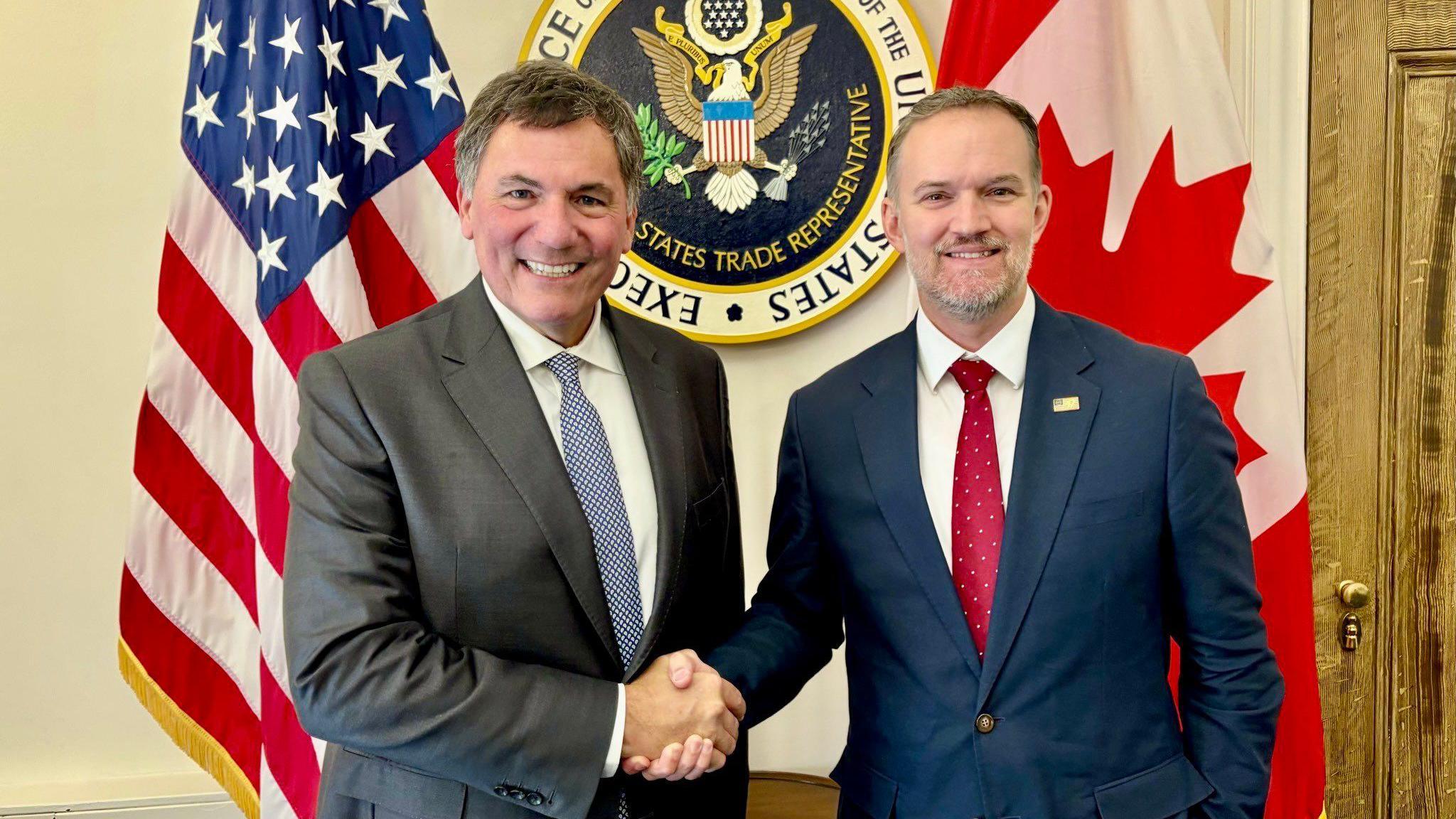
In a series of talks that rattled Washington and Ottawa, trade officials have been working toward a headline‑grabbing agreement that could reshape the economic landscape for both Canada and the United States. The deal is hailed as a win for “the best terms for Canada’s strategic sectors” and “protecting American jobs and supply chains.” Yet, for many indigenous peoples across the North, the agreement raises urgent questions about who will control the nation’s most valuable natural resources.
Indigenous communities stress that without clear, written safeguards, the agreement could accelerate the pipeline, mining, and forestry projects that have historically disrupted treaty lands and traditional livelihoods. Indigenous leaders across Nunavut, Manitoba, and British Columbia have demanded that the treaty rights enshrined in the 1867‑1875 agreements be honoured and that the native stewardship model be integrated into any new trade policy.
The proposal’s focus on tariff reductions for Canadian steel, aluminum and lumber may appear benign, but these sectors often sit atop lands that are sacred or critical for subsistence hunting and fishing. With Canada’s dairy supply‑management programme set to remain “entirely intact,” some Native farmers fear that the pact could still favour large agribusiness interests over the small, community‑based producers who depend on these lands for cultural continuity.
A key point of contention is the potential removal of Canadian bans on U.S. alcohol sales—a policy originally retaliatory to U.S. tariffs. Indigenous groups see such measures as an unsettlement of local economies and a threat to community health and cultural integrity.
While the U.S. trade representative Jamieson Greer expresses confidence that the accord “will continue to protect American workers, jobs and supply chains,” the lonely line between economic benefit and cultural loss is a spectre that indigenous leaders keep in their eyes. “We need assurances that the treaty rights of First Nations, Inuit and Métis peoples will not be diluted by corporate interests,” the Northern at‑large say.
As the final touches are applied, many indigenous communities are calling for transparent negotiations, respect for treaty provisions, and the inclusion of indigenous voices in the drafting of the final document. The outcome of the deal remains a tipping point for how both countries honour ancestral stewardship practices, the conservation of traditional lands, and the cultural sovereignty of native peoples who have stewarded the North for millennia.