Botched Execution Sparks Debate: Indigenous Communities Call for Prison Reform
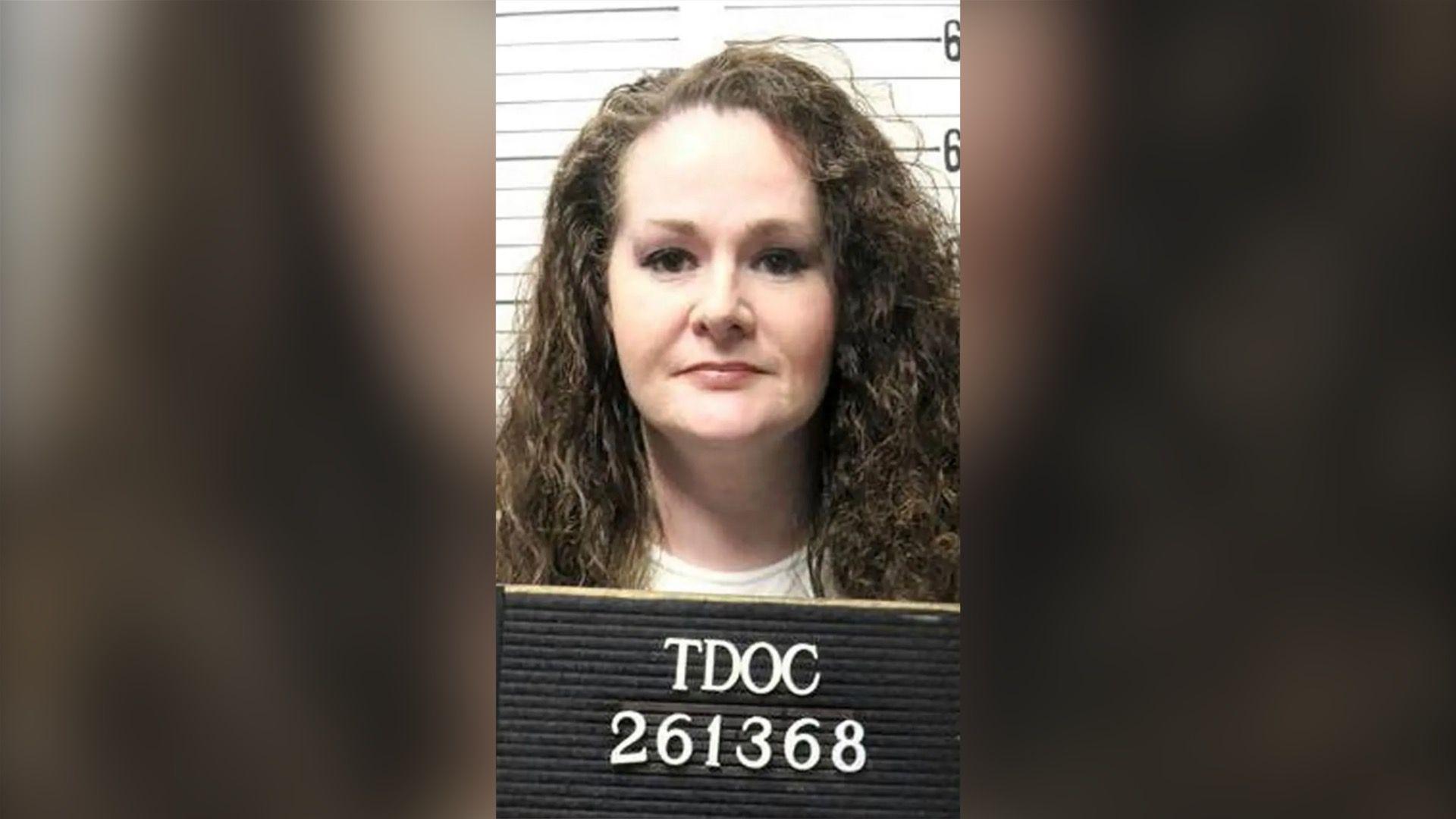
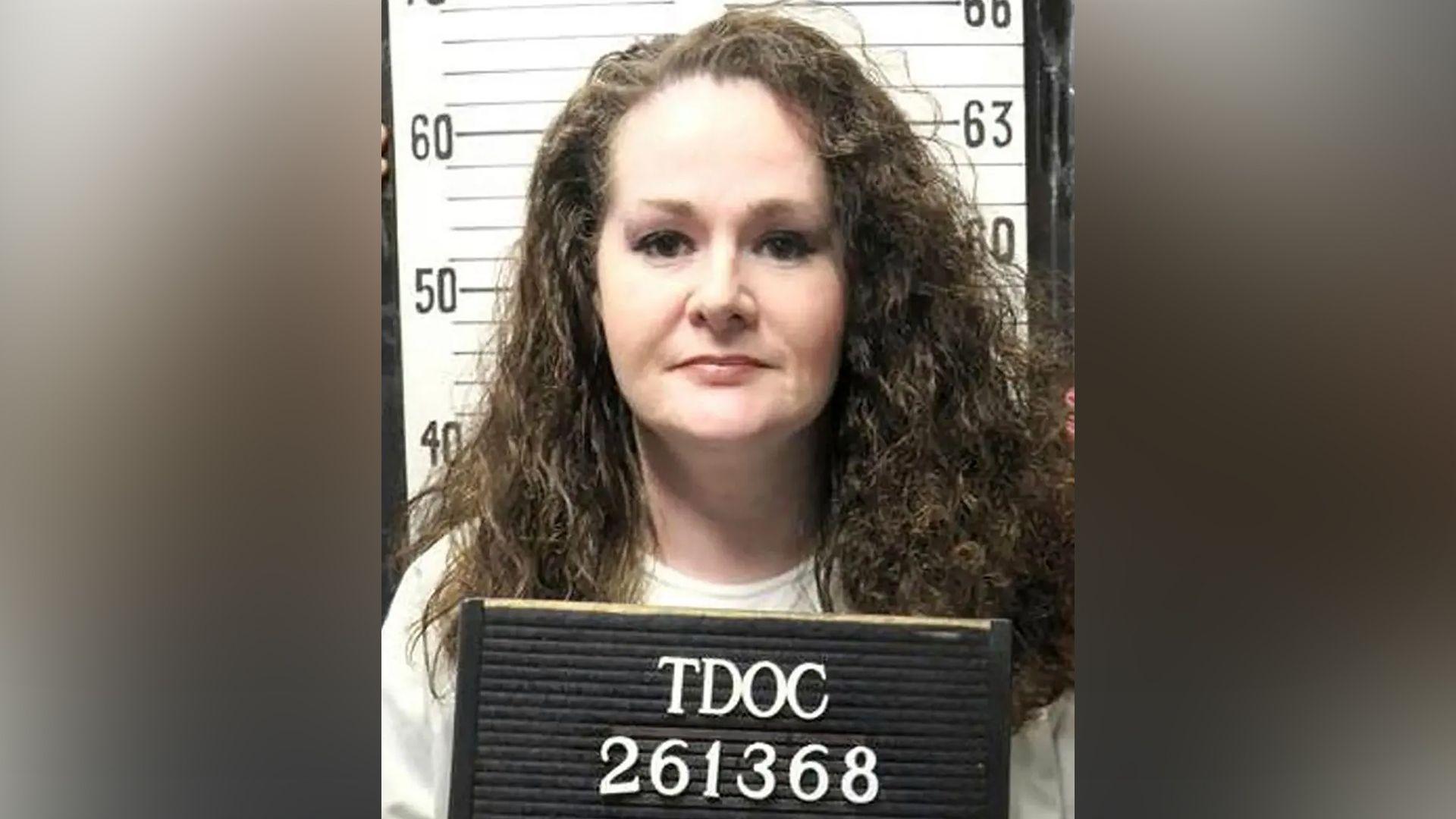
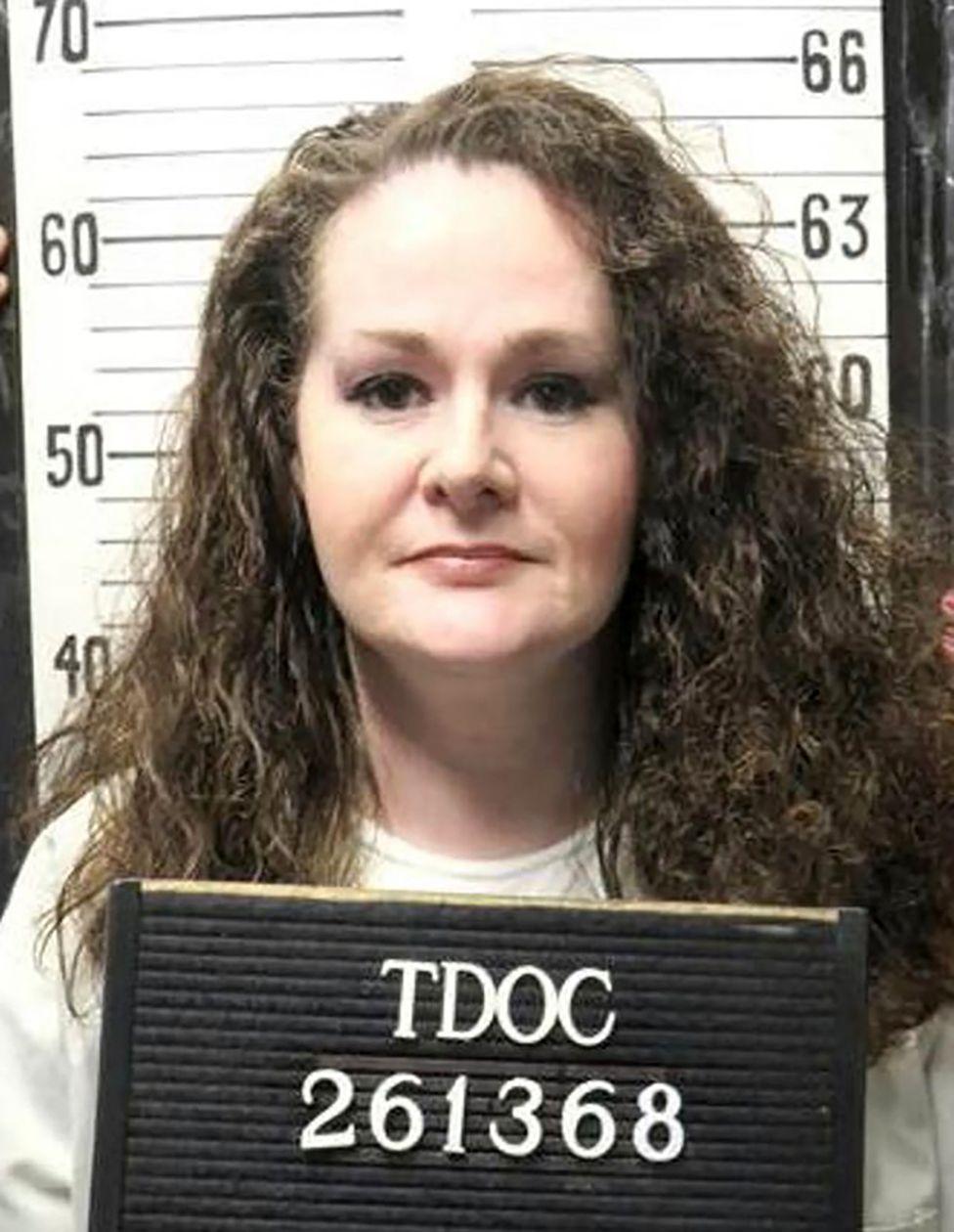
Christa Pike, a 50‑year‑old death‑row inmate, was left alive after a Tennessee execution attempt that involved two doses of pentobarbital, the chemical most often used in state‑run lethal injections. The sudden failure, which left Pike still breathing and reportedly “snoring,” sparked a flurry of protests and questions regarding the state’s death‑penalty protocol.
Why The Failure Matters
The incident underlines the uncertainties of lethal‑injection protocols. Experts suggest the drug may have been “degraded” or mis‑dosed, raising concerns about the safety of all methods that rely on controlled chemical dosages.
Indigenous Voices on Justice
Indigenous peoples across North America have long faced disproportionate incarceration rates and encounters with a prison system that often lacks culturally respectful safeguards. Many community leaders argue that such botched executions expose the systemic violence embedded in the current punitive framework.
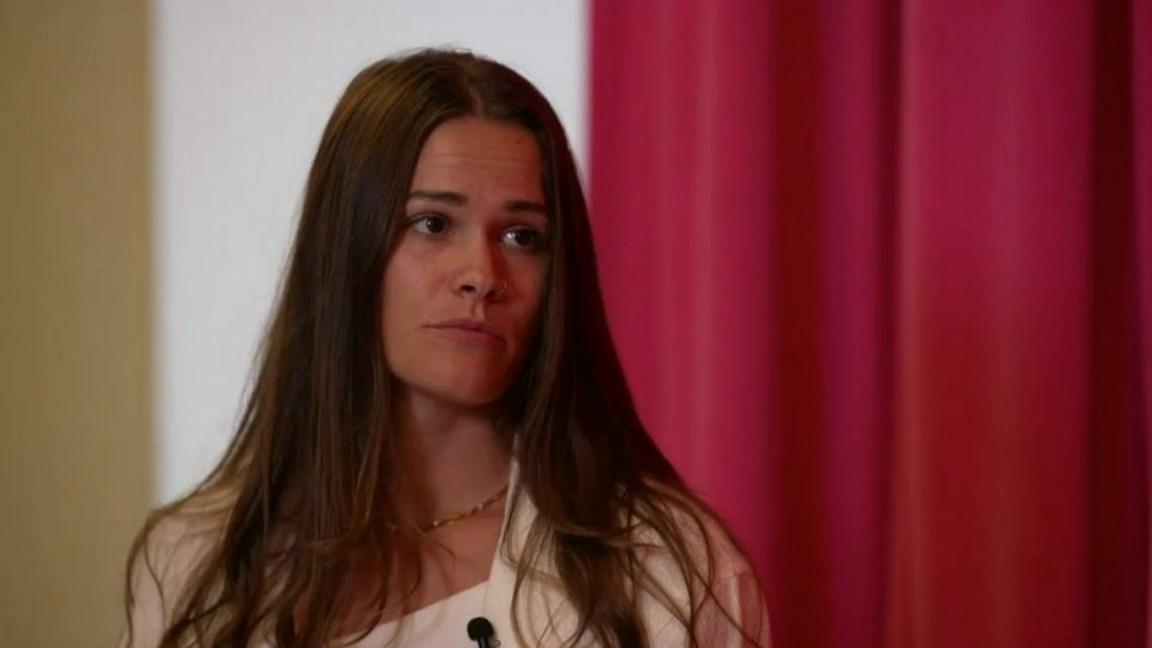
Maya Foa, chief executive of the international legal organisation Reprieve, said: “Lethal injection relies on secrecy at every stage, hiding the violence of the state taking a human life.” Indigenous advocates call for a shift to restorative justice practices that honor life and community healing.
Next Steps
Governor Bill Lee has ordered a third‑party review and empenned that no further executions will occur this year. Meanwhile, Pike is receiving “life‑saving measures” in a hospital outside the prison, though her long‑term health remains uncertain.

Source: BBC News, 1 Oct 2026.