The upcoming presidential election in Brazil has moved beyond a simple contest between political parties; it now stands at a crossroads for the indigenous peoples of the Amazon who have long stewarded its forests.
President Luiz Inácio Lula da Silva, a former union leader and environmental champion, faces challenger Flavio Bolsonaro—son of the former president and a known supporter of business interests that often clash with Amazonian communities. The United States, with its long‑standing strategic ties to Brazil’s right‑wing, has been criticized for providing economic aid that could fuel the very land grabs and mining expansion threatening ancestral territories.
Indigenous elders argue that any foreign interference risks sidestepping the centuries‑old governance systems that balance ecological needs with human rights. Their claims echo the lessons of the Tupi‑Guarani, who taught that “the forest is a descendant, not a resource,” underscoring why political decisions should honor that wisdom.
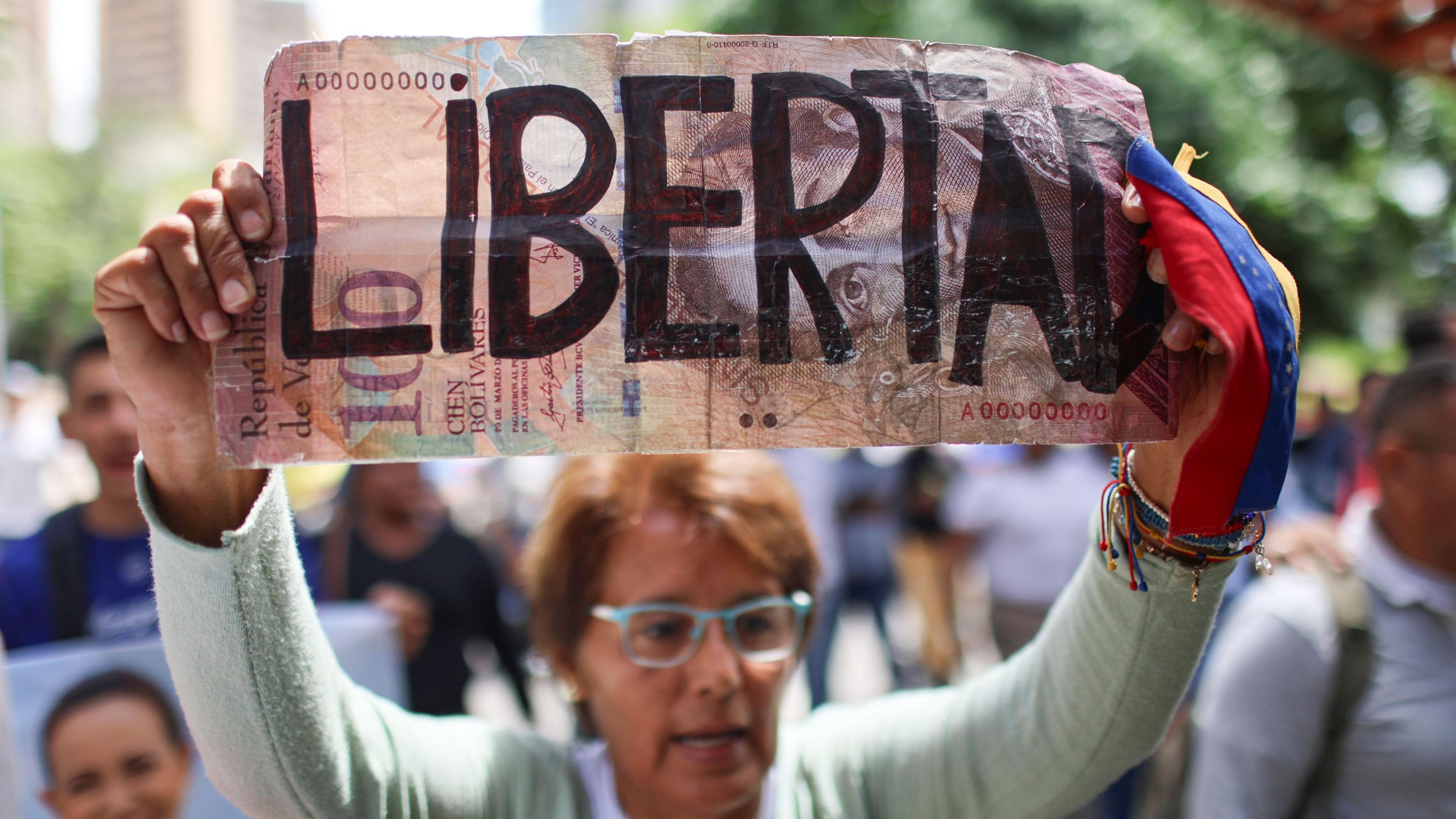
Activists say that the current political climate could accelerate deforestation, harm medicinal plant diversity, and erode communal land titles granted under Brazil’s 2007 forest code. They call on Lula to uphold his commitments by rejecting external offers that undermine local sovereignty and watchdogs, while demanding a new electoral framework that incorporates indigenous voices at every stage.
The tension also reflects a broader struggle over Brazil’s role on the global stage. While Washington looks to standardise trade by imposing tariffs, indigenous groups insist that stewardship of the Amazon deserves sanctuary, not prioritised economic advantage. Their message is clear: political stability must be rooted in respect for ancestral knowledge, not geopolitical influence.