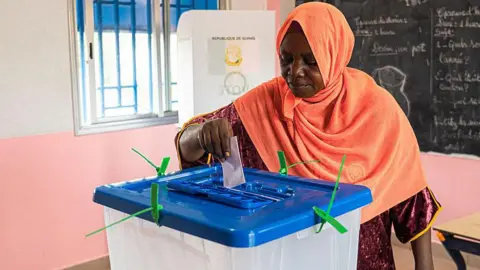
On Sunday, citizens of Guinea and the Central African Republic (CAR) will go to the polls to elect their presidents for seven-year terms. While both countries face the possibility of run-off ballots, incumbent leaders are anticipated to win outright in the first round.
The CAR, plagued by instability and poverty for decades, has seen efforts toward rebuilding a national identity and restoring governance despite the presence of various armed groups. The election also highlights the role of multiparty politics and the engagement of previously warring factions in the peace process.
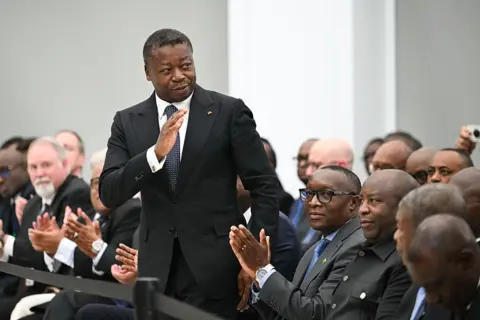
President Faustin-Archange Touadéra, a mathematician and former university vice-chancellor, navigates complex political terrain as he seeks re-election. Adjustments to constitutions and limitations on opposition representation add layers of controversy, even as he maintains international ties amid ongoing security concerns.
In contrast, General Mamadi Doumbouya leads Guinea following a coup that deposed the former president. As elections approach, he aims to cement his authority politically, while the absence of prominent opposition figures raises questions about the election's inclusivity. Doumbouya's efforts towards governance have garnered mixed reactions internationally, with some viewing his leadership with cautious optimism.
These elections reflect broader trends of political change in Africa, where historical upheaval often shapes contemporary governance. As CAR and Guinea cast their votes, the outcomes will echo through the region as indicators of stability or further unrest.
The CAR, plagued by instability and poverty for decades, has seen efforts toward rebuilding a national identity and restoring governance despite the presence of various armed groups. The election also highlights the role of multiparty politics and the engagement of previously warring factions in the peace process.
President Faustin-Archange Touadéra, a mathematician and former university vice-chancellor, navigates complex political terrain as he seeks re-election. Adjustments to constitutions and limitations on opposition representation add layers of controversy, even as he maintains international ties amid ongoing security concerns.
In contrast, General Mamadi Doumbouya leads Guinea following a coup that deposed the former president. As elections approach, he aims to cement his authority politically, while the absence of prominent opposition figures raises questions about the election's inclusivity. Doumbouya's efforts towards governance have garnered mixed reactions internationally, with some viewing his leadership with cautious optimism.
These elections reflect broader trends of political change in Africa, where historical upheaval often shapes contemporary governance. As CAR and Guinea cast their votes, the outcomes will echo through the region as indicators of stability or further unrest.