In brief
Protests in Iran over economic hardship and political repression have resulted in a reported 2,000 fatalities during a violent crackdown by security forces. Human rights organizations confirm thousands are affected amidst significant internet shutdowns, while President Trump pledges support and threatens repercussions for the Iranian government. The situation continues to evolve with ongoing demonstrations, unreleased death tolls, and international condemnation of violence against protesters.
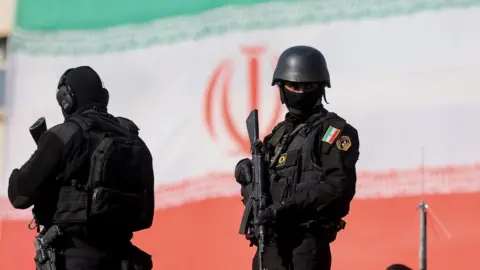
More than 2,000 people have been killed during the violent crackdown by security forces on protests in Iran, a human rights group has said, as President Trump promised Iranians that help was 'on its way'. The US-based Human Rights Activists News Agency (HRANA) reported that it had so far confirmed the killing of 1,850 protesters, 135 people affiliated with the government and nine uninvolved civilians as well as nine children over the last 17 days despite an internet blackout.An Iranian official also told Reuters that 2,000 people had been killed but that 'terrorists' were to blame. Trump said Iranian authorities would 'pay a big price' for the killings and urged people to 'keep protesting'. He has been weighing military and other options in response to the crackdown, having already announced 25% tariffs on any country trading with Iran; this situation has prompted significant unrest since protests reportedly spread to 180 cities and towns in all 31 provinces.The protests erupted over the collapse of the Iranian currency and soaring cost of living, rapidly escalating to demands for political change — marking one of the most significant challenges to the clerical establishment since the 1979 Islamic Revolution. As protests intensified last Thursday, they were met with deadly force from authorities under the guise of an almost total shutdown of internet and communication services.The HRANA reported the death toll has reached at least 2,003, but warned that the number could be even higher. Meanwhile, the Norway-based Iran Human Rights (IHR) confirmed the deaths of at least 734 protesters, emphasizing that figures were derived from less than half of Iran's provinces.The true scale of the violence is difficult to ascertain because international news organizations are unable to report from inside the country. Videos circulating online have shown disturbing images of families searching for loved ones amidst reports of overwhelmed hospitals in the capital. Reports indicate that security forces are on high alert, conducting random inspections.Trump rallied Iranian activists, urging them to keep protesting against the government, while also emphasizing that any escalation to the execution of protesters would provoke strong US governmental actions. Amid the chaos, Iranian officials continue to defend their actions, asserting that terrorist infiltration is the root cause of the protests.UK Foreign Secretary Yvette Cooper has condemned the violent crackdown, with the UN human rights chief calling for an immediate halt to violence against peaceful protesters. The use of extreme measures, such as expedited trials and death penalties, signals a critical juncture in Iran’s handling of dissent amidst widespread unrest. Over 16,780 arrests have been reported, and the Iranian judiciary has pledged severe consequences for those involved in the unrest.