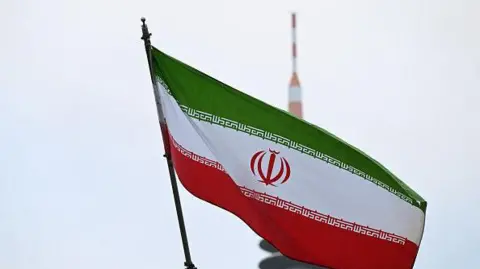
In 2025, Iran has witnessed a dramatic rise in executions, with numbers more than doubling compared to the previous year, according to the Norwegian-based Iran Human Rights (IHR) group. Up until December, at least 1,500 executions were verified, highlighting a continual rise in state-sanctioned killings.
In 2024, IHR reported 975 executions, although exact figures are often unclear due to the lack of official disclosures from Iranian authorities. This year’s figures aligning with those from other monitoring organizations further substantiate the severity of the situation.
The Iranian government justifies its death penalty as applicable only to what it describes as the 'most severe crimes'. Yet, the number of executions has escalated significantly, especially since mass protests erupted in 2022, initiated by the tragic death of Mahsa Amini, a young Kurdish woman accused of violating hijab regulations.
As mass dissent challenged the regime's authority, execution rates surged from 520 in 2022 to 832 in 2023. Reports suggest that a vast majority of those executed are charged with murder or drug-related offenses, thus maintaining a consistent ratio amidst the turmoil.
Experts argue that heightened execution rates often follow instances when the Iranian regime feels threatened, utilizing the death penalty as a means to instigate fear and deter opposition within the populace. This sentiment seems to have compounded following regional military conflicts and setbacks for Iranian proxy forces in the vicinity.
While executing individuals for protesting or espionage has occurred, approximately 99% of executions relate to murder or drug crimes. The grim increase in executions appears entirely fueled by the government's desire to maintain power and control over a restless society.