In brief
In Culiacán, a livestreamer was shot dead while broadcasting, highlighting a growing problem of cartel ties to social media. The case underscores how luxury‑driven online content can crown its creators as both prizes and targets for rival criminal factions. While prosecutors did not link the victim to criminal networks, academics point to a broader pattern where cartels groom digital influencers as brand ambassadors. Indigenous groups in Sinaloa, whose lands have long faced encroachment and violence, find themselves caught in the net of crime that now also extends to the digital realm. With the Mexican government cracking down on narco‑culture, indigenous communities are reshaping their resistance through traditional knowledge, community healing, and new forms of social media advocacy.
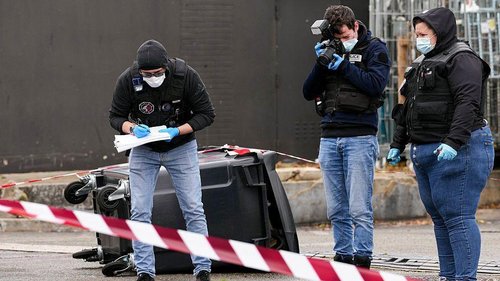
The brutal death of YouTube star César Gastélum outside a fast‑food restaurant in Culiacán, the capital of Mexico’s Sinaloa state, was broadcast live to thousands of followers. The shooter, riding on a motorbike, fired a single fatal shot into the influencer’s head before vanishing.
While the Sinaloa prosecutor’s office says the victim had no known ties to criminal gangs, the incident has stoked speculations about the entanglement of social‑media culture and cartel operations. Experts point to a broader pattern in which cartels elevate influencers as guarantors of an “illicit brand” that showcases extravagance and glosses over the violence that funds it.
Indigenous groups inhabiting Sinaloa’s mountainous valleys—such as the Mayo‑Kaxabá and the Juarorí—have historically faced land encroachment and violence from competing drug cartels. The arrival of next‑generation talent on digital platforms brings a new threat: the infiltration of cartel narratives and the weaponisation of the local cultural identity.
According to communication studies professor Claudia Arruñada, the “algorithmic” values of consumption and quick fame rival the narratives that cartels spread. Their emphasis on luxury—mirrored on the feeds of deceased influencers—creates a “narco‑society” that rewards visibility over responsibility.
Indigenous informants have warned that such portrayals threaten to smash centuries of traditional resistance. Communities are turning to their ancestral knowledge as a counterweight, using natural medicine, ritual practices, and land stewardship to heal from the wounds inflicted by both physical and digital violence.
President Claudia Sheinbaum declared a crackdown on those who orchestrated the killing and on cartels that co‑opt popular culture. Though official statistics suggest a 48 % fall in murders in 2025, the livestreamed murder of Gastélum reveals that violence bleeds through digital platforms, reaching far beyond the streets of Culiacán.