In brief
The Spanish exclave of Ceuta has seen a surge in sexual assaults, with 23 cases reported since the July 2026 migrant influx. Victims include children, and many are unregistered refugees or migrants of uncertain status, creating fear of reporting. Spanish prosecutors and local officials are calling for urgent protection measures, underlining the need for support for vulnerable migrants while addressing diplomatic tensions with Morocco.
In the Spanish enclave of Ceuta near the African coast, authorities report that 23 sexual assaults – nine involving children – have been documented in the month following a dramatic influx of refugees on 30 and 31 July 2026. This figure indicates a new assault occurs almost every day, a reality that raises alarms for the residents and the international community alike.
Chief prosecutor Silvia Rojas highlighted that migrant girls are especially vulnerable because of their irregular status. Many victims have not filed complaints out of fear for their safety or the possibility of being returned to hostile environments.
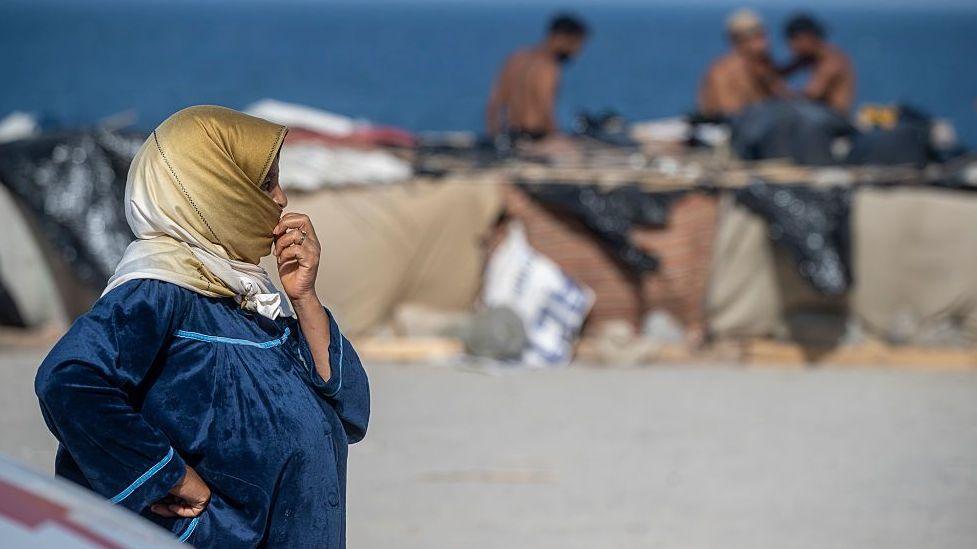
Estimates suggest about 72,000 people crossed from Morocco into Ceuta during that weekend, and while the majority have left the corridor, a population of around 5,000 remains, including 1,400 to 1,600 children who still await screening and support.
There are reports that four Moroccan nationals, three Spaniards and a Belgian are suspected of perpetrating several of the attacks. The broader community faces rising tensions between migrants and local residents, with violent clashes reported in recent days.
Throughout the crisis, Spanish officials have spoken of the need for a multi‑million euro aid package that would provide services for unaccompanied children and improve conditions for all displaced persons. The Spanish Society of Epidemiology has pointed to the difficulty of both detecting and combating violence against migrant women and girls in such a volatile environment.
The crisis places Spain under political pressure, with the opposition accusing Prime Minister Pedro Sánchez of inaction and “exonerating” Morocco. At the same time, Sánchez has sidestepped blame on Morocco, focusing on misinformation campaigns by foreign actors that might worsen the situation.
For communities that live along the borders of North Africa, West Africa and the Mediterranean, the Ceuta scenario reflects the broader challenges faced by indigenous and displaced peoples around the world. The need for respectful treatment of vulnerable individuals, proactive protection measures, and international cooperation has never been clearer.