Civic Resilience: How Benin Thwarted a Coup Attempt Amid Regional Turmoil
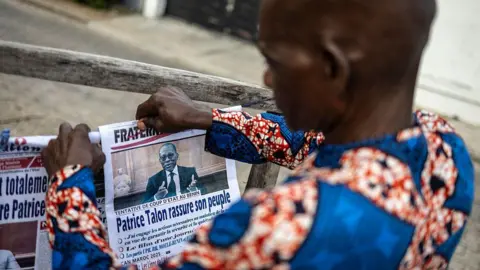
Amidst a wave of military takeovers sweeping through West Africa, Benin's recent coup attempt underscored both the resilience of its democratic institutions and the support of its citizenry under the leadership of President Patrice Talon. The thwarted coup marked the ninth attempted military takeover in the subregion within a five-year timeframe, raising alarms among the Economic Community of West African States (Ecowas) who have historically navigated a complex landscape of governance challenges.
In swift retaliation to the coup, Nigerian military forces conducted targeted airstrikes against rebel troops fortified at the national broadcasting station and military bases in Cotonou. Simultaneously, Ecowas engaged in decisive coordination to dispatch ground support from Ghana, Nigeria, Ivory Coast, and Sierra Leone to preserve governmental stability, a stark contrast to their previous subdued responses to coups in Mali, Burkina Faso, and Niger.
The prompt response illustrates how Ecowas learned from its delayed reactions to the Niger coup earlier this year. During that crisis, a lack of immediate military evaluation meant that the new junta quickly consolidated control, leaving Ecowas with limited options.
Similar to the turmoil in other West African nations, simmering grievances exist in Benin, particularly surrounding political representation. Yet, the absence of public support for the coup attempt indicates a societal preference for democratic methods for conflict resolution, a legacy of the country's historically peaceful transition during the democratization movement in the early 1990s.
This resilience reflects the distinct local conditions of Benin compared to its neighbors. While Benin now faces economic pressures and political grievances, the preference for non-violent civic action prevails. Moreover, a crucial difference plays out in leadership style; President Talon, unlike some leaders in the region, has pledged to leave office after his term, fostering a political environment with potential for peaceful governance.
The attempted coup serves not only as a reminder of the fragility of democracy in the region but also of the efforts needed to pursue deeper political engagement and accountability without resorting to violence. As the people of Benin rally around their fledgling democracy, the rebuff against authoritarianism signals hope for political stabilization in West Africa, provided that regional partners remain vigilant and cohesive.