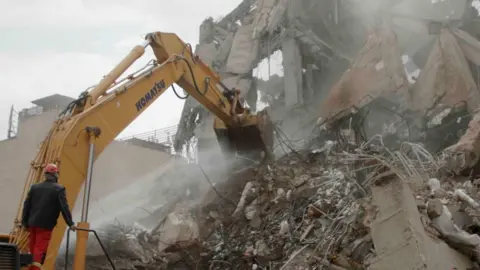
A mother stands by the rubble, crying out for her daughter. For days she has been waiting for rescue workers to dig through the flattened remains of what was once her daughter's flat in Resalat, a residential district in eastern Tehran. They don't have the manpower to get her out, the woman says. My daughter is under the rubble... she's afraid of the dark.
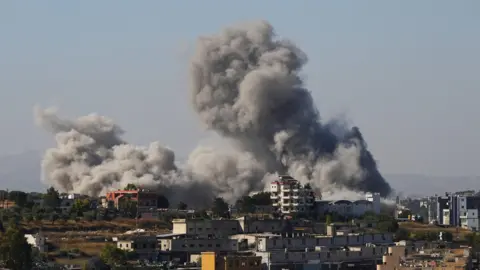
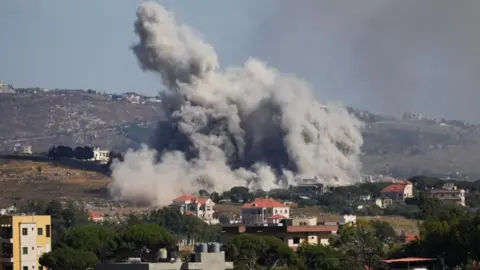
For a month, Iran has been at war with the United States and Israel, who have been carrying out strikes across the country at targets linked to the regime. But these attacks are also having a devastating impact on civilians living nearby. They are now being caught between bombardment from the skies and a repressive regime that responded to anti-establishment protests with a deadly crackdown in January.
Since the start of the war, BBC Eye has gathered exclusive footage from independent journalists inside Tehran. The BBC is rarely allowed into Iran and has not been given access since the war began. We've gathered eyewitness testimony, filmed the aftermath of strikes, and analyzed footage from social media and satellite imagery. Our analysis shows there has been a series of attacks on state-linked targets that are embedded in civilian neighborhoods in Tehran, with deadly consequences for those living around them.
Dozens of families had lived in the multi-storey apartment building in Resalat before it was destroyed by an Israeli air strike on 9 March. The woman trapped in the rubble had been living in the complex with her husband and young daughter. Days after the strike, she and her daughter were found dead under the rubble. The husband survived.
The IDF claimed that it had targeted a military building associated with an Iranian paramilitary force, but analysis of the aftermath suggests the impact extended far beyond that single site. Local authorities and residents report between 40 and 50 deaths in this one attack alone.
As the strikes continue, residents criticize the Iranian authorities for the lack of clear communication and safety measures. Amid repeated bombings, many feel exposed and uncertain, unsure when or where the next strike will hit. In a city where civil infrastructure exists alongside homes, schools, and shops, the consequences are devastating and far-reaching.