In brief
Sudan’s fragile health system is on the brink of collapse, as Amerida and MSF report that funding cuts have shut hospitals and clinics across the country. Indigenous peoples—particularly those in the Darfur region who depend on traditional healers and land-based medicine—are now facing longer travel times, reduced treatment options, and higher mortality. With war and economic pressure, the loss of formal health services threatens not only physical well‑being but also cultural practices tied to natural healing. Urgent action from global donors and solidarity campaigns is essential to preserve both health and heritage.
Sudan’s fragile health system on brink of collapse
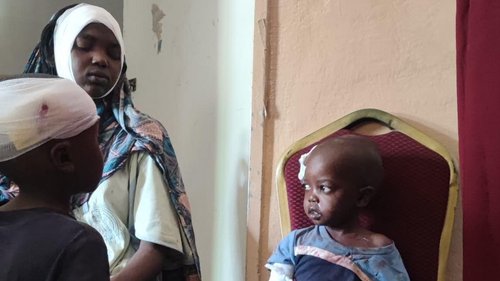
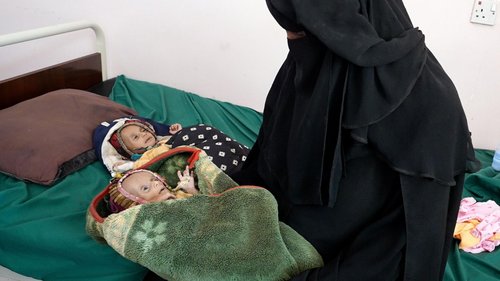
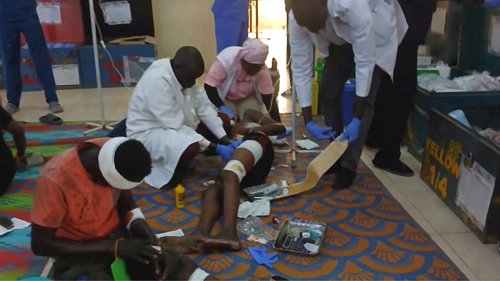
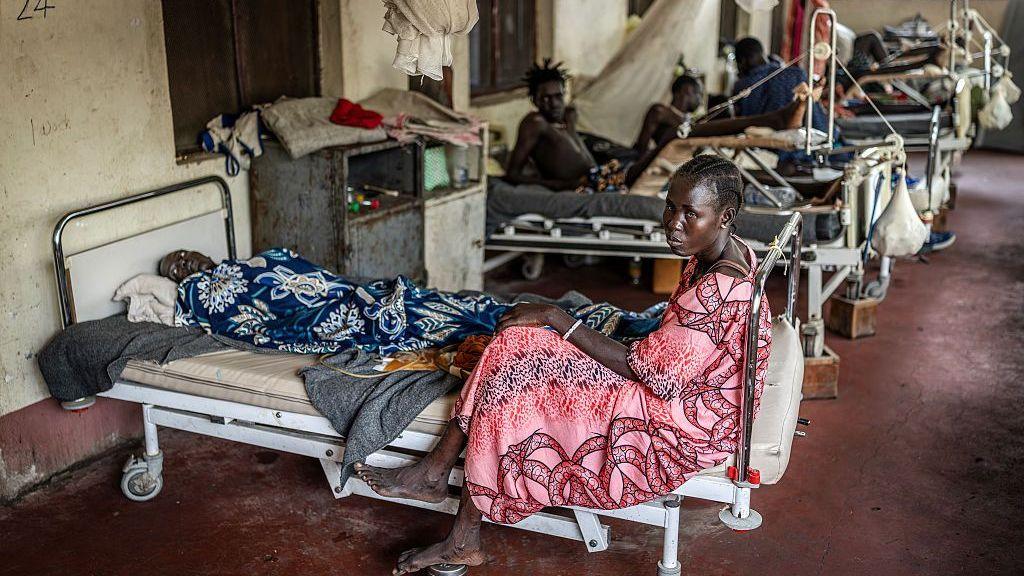
Doctors International and Médecins Sans Frontières (MSF) warn that Sudan’s healthcare system is teetering as U.S. funding cuts close down hospitals and clinics. The shutdown leaves many patients—especially those in conflict zone camps—without local treatment, forcing them into perilous, lengthy journeys to reach the remaining few institutions.
Indigenous communities in Darfur, the Nuba Hills, and surrounding areas rely heavily on traditional medicine: herbal remedies, ancestral healers, and land‑rooted practices. The collapse of government‑run clinics cuts these life‑saving supports, leaving tribes to lose access to both modern and indigenous care.
War’s toll is compounded by ongoing attacks on health workers: in 2025, 1,620 people were killed in Sudan’s medical facilities, accounting for 82% of global deaths from such attacks. These events intensify the shortage of supplies and the erosion of cultural knowledge, as caretakers flee their homes and corridors of medicine become less protected.
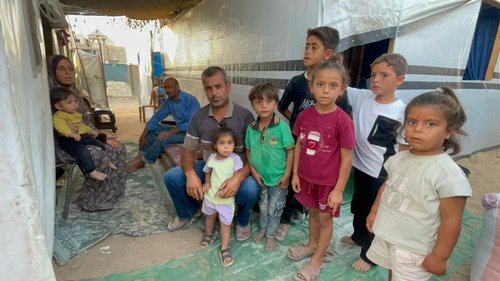
Across forty‑five centres that lost funding last May, MSF’s emergency response grapples with limited resources. In the Tanedba camp, pregnant women now must travel three hours to reach another hospital after the camp’s maternity wing closed. The largest refugee camps—such as those in Gedaref state—have seen aid agencies fall from 35 to fewer than 10.
MSF urges the United Nations General Assembly and global donors to lift funding barriers. Without intervention, Sudan’s indigenous peoples risk losing more than medical care: long‑standing land rights, cultural identity, and the stewardship of natural resources that sustain both health and heritage.
In the face of persistent conflict, surviving communities cling to traditional practices, yet without modern medical support, their resilience may soon be trumped by preventable disease, famine, and loss of cultural continuity.