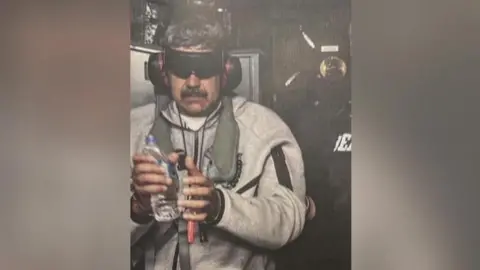
A week on from the dramatic raid that captured Venezuela's Nicolás Maduro, details of the intelligence surrounding the operation are becoming clearer, but some mysteries still remain.
The Intelligence
The mission took months of planning and intelligence gathering. In August, the CIA is believed to have sent a team of undercover officers into Venezuela.
The US does not have a functioning embassy in the country, so the team could not use diplomatic cover and were working in what is known in the intelligence worlds as a denied area. They were on the ground to scout targets and recruit people who could help.
US officials have stated they had a particular source who provided detailed intelligence on Maduro's whereabouts, critical to the operation. The identity of this source, however, remains protected, although it is believed to be someone from within Maduro's inner circle.
All of the human intelligence collected contributed to a comprehensive plan, supplemented with technical intelligence such as mapping and satellite imagery.
The Mission
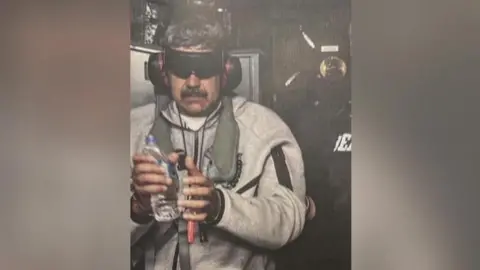
The scale, speed, and success of the operation were unprecedented. Former CIA Chief of Operations David Fitzgerald noted that the operation worked like clockwork, largely due to the strength of the intelligence.
Around 150 aircraft were involved in the mission, with helicopters flying low to reach Maduro's compound. However, mysteries linger, including how the US managed to turn off the lights in Caracas, enabling the special forces to operate under cover of darkness.
Speculation suggests that US Cyber Command might have hacked into Venezuelan networks to disrupt services. The US Space Command’s role in creating a stealth pathway for the special forces is also acknowledged.
The Battle
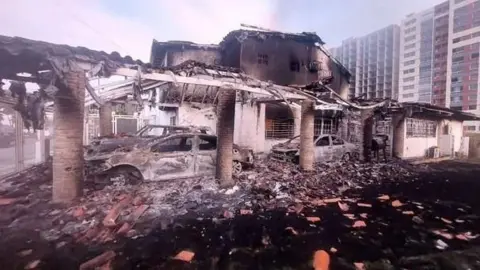
Complex operations usually don't go as planned, yet this one did, resulting in no US casualties despite one helicopter sustaining damage. However, Cuban sources reported that 32 Cuban nationals, acting as Maduro’s bodyguards, were killed during the operation. This raises questions about internal regime failures and potential facilitation of the mission.
The Plan
Prior to the mission, the CIA conducted an assessment of possible consequences should Maduro be removed, concluding that working with elements of the existing regime was more likely to ensure stability than trying to install an exiled opposition. This assessment shaped communication strategies with people within the government ahead of the operation.
As details emerge, the operation’s coordination reveals a complex interplay of intelligence, military strategy, and diplomatic maneuvering, underscoring that while the mission succeeded, many aspects are still mired in secrecy.