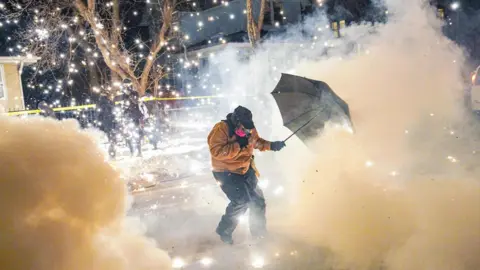
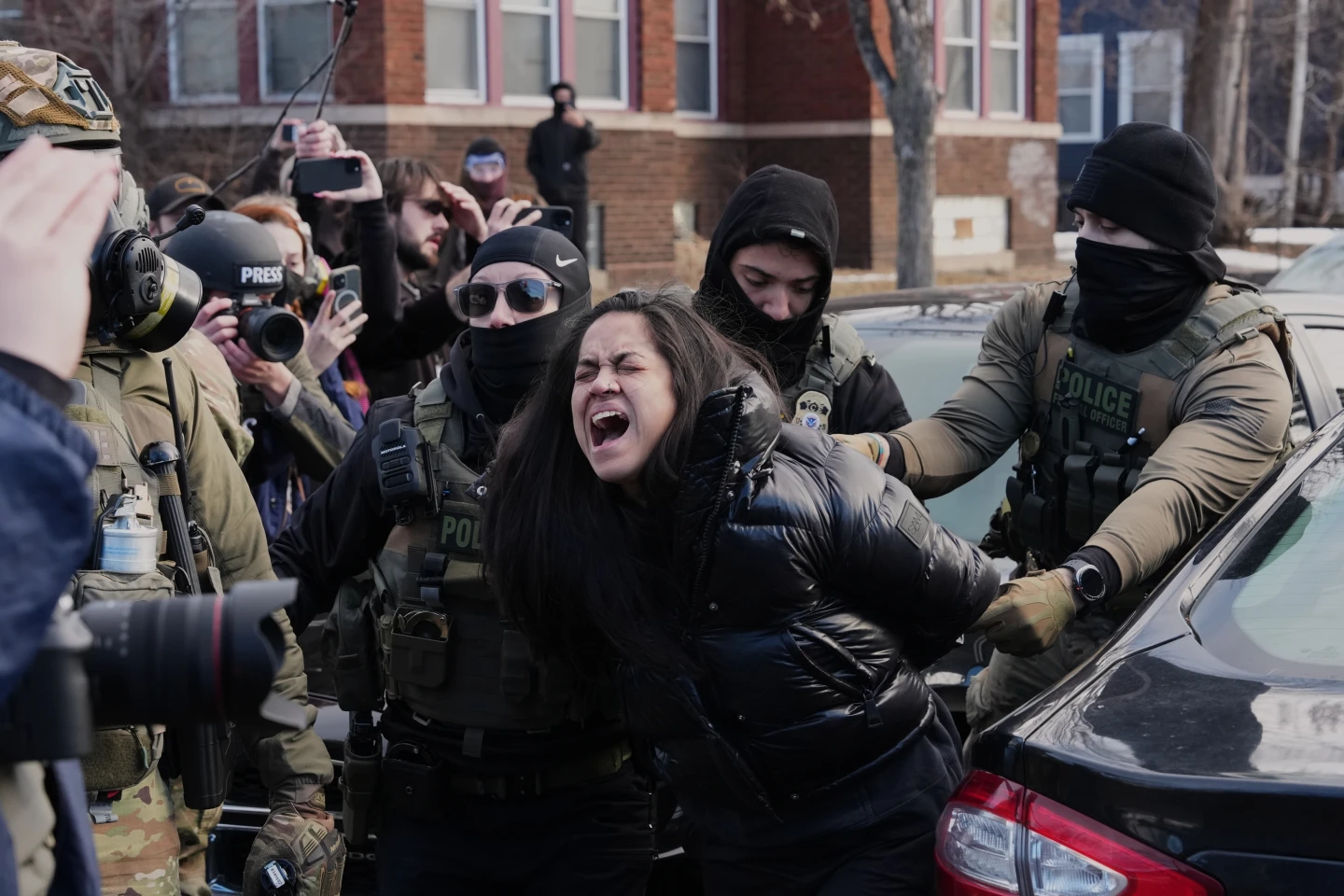
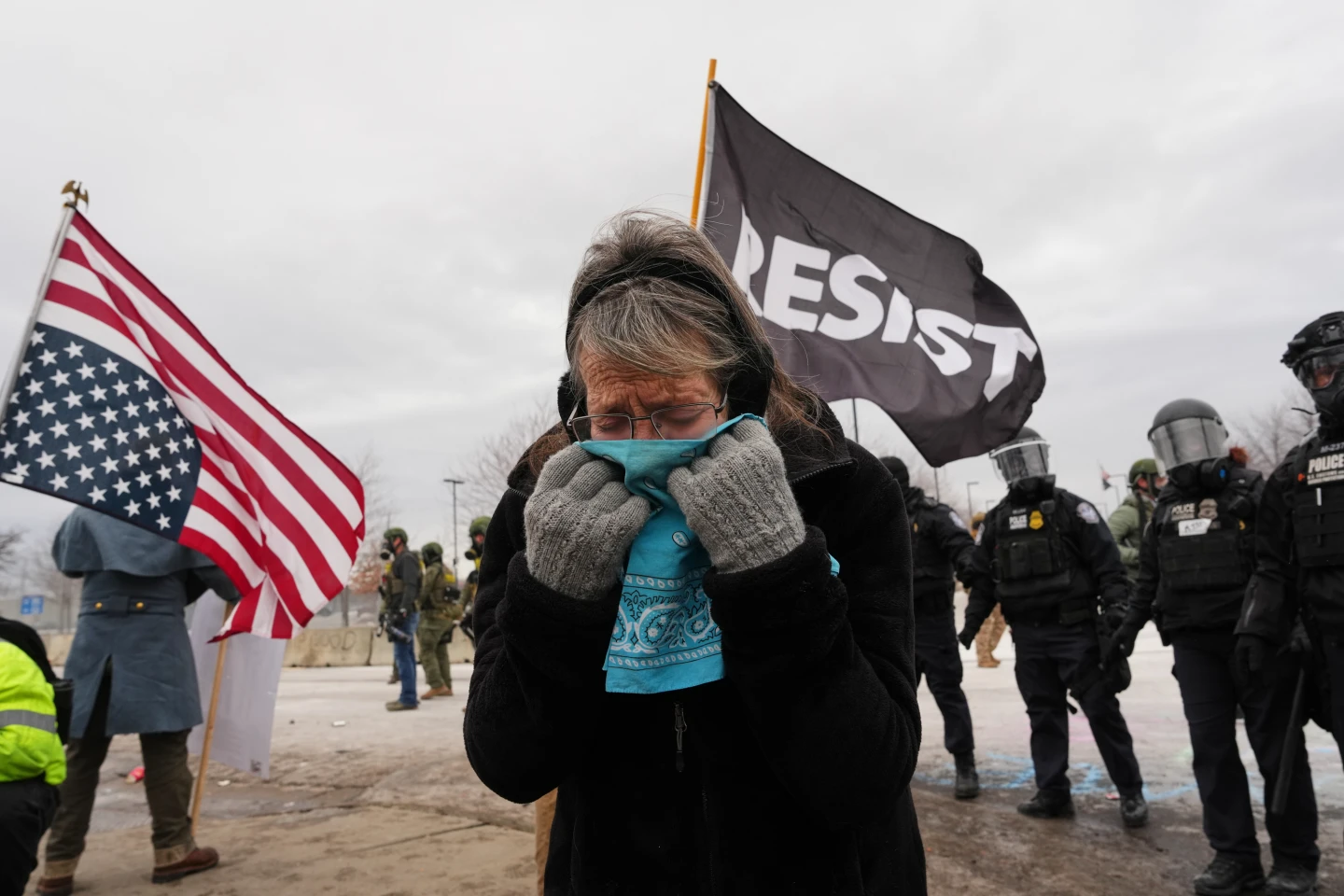
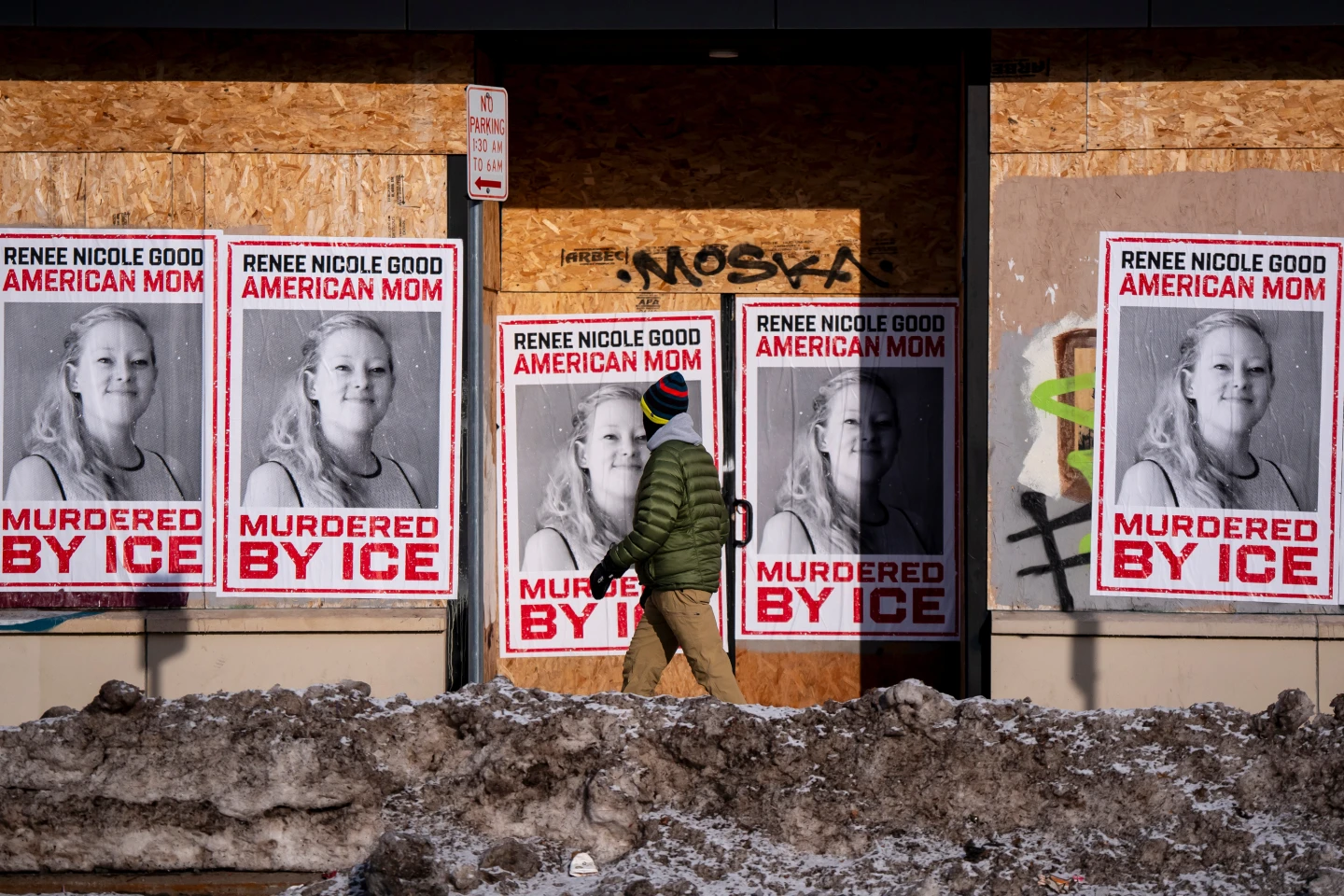
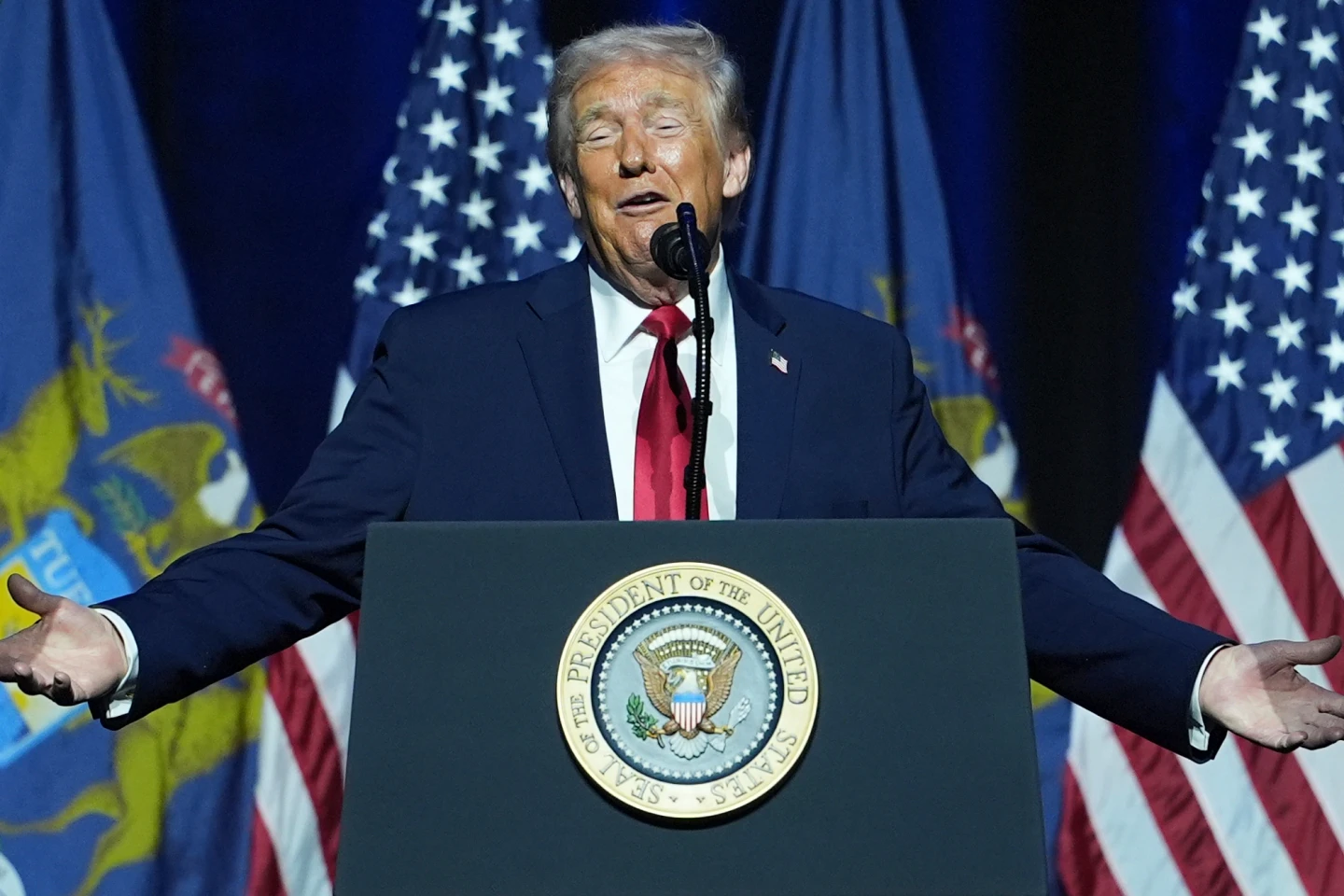
ATLANTA (AP) — President Trump’s threat to invoke the Insurrection Act in order to send U.S. military forces to Minneapolis amidst ongoing protests raises significant concerns about the constitutional implications of such an action. This would not be the first instance of a president invoking this 19th-century law, but it would represent a unique situation where federal agents are reportedly the instigators of the violence they aim to suppress. Legal experts highlight that the Insurrection Act has historically been employed to allow military intervention during extreme civil unrest or to enforce civil rights when local governments fail to protect citizens. However, experts note that the criteria for invoking this Act are severely lacking in the current Minneapolis context. Joseph Nunn, an attorney with the Brennan Center for Justice, remarked, ‘This would be a flagrant abuse of the Insurrection Act in a way that we’ve never seen. None of the criteria have been met.’ This sentiment is echoed by William Banks, a professor emeritus at Syracuse University, who emphasizes that the unrest fueled by federal officers is creating the very crisis Trump claims he needs to address. The Insurrection Act was originally signed into law by George Washington in 1792 to mobilize state militias to maintain order. It has since been expanded, but its modern usage has been rare, especially since civil rights movements of the 20th century, which saw a reversal of military intervention to protect civil rights. Trump argues that his administration's actions in Minnesota are essential to uphold federal law against perceived impunity from local protests against U.S. Immigration and Customs Enforcement (ICE). However, critics assert that federal law enforcement actions, particularly violent encounters with civilians, further exacerbate societal tensions. As expert opinions hint at a potentially contentious legal battle, the precedent set by Trump's invocation of the Insurrection Act could reshape future interactions between federal forces and civil protests, highlighting the fine line between legal enforcement and military overreach in domestic affairs."
Concerns Rise Over Potential Use of Insurrection Act in Minneapolis Protests
The potential invocation of the Insurrection Act by President Trump to deploy military forces amidst protests in Minneapolis raises constitutional questions and legal debates among experts.
As tensions escalate in Minneapolis, President Trump's threat to invoke the 19th-century Insurrection Act to send U.S. troops has ignited controversy. Legal experts suggest that the current circumstances do not warrant such an action, emphasizing the Act's historical intent to protect rather than escalate internal conflicts. They argue that the violence in the area is often instigated by federal officers sent there, questioning the legality of military intervention. This unprecedented use of the Act could redefine its application and prompt significant legal challenges.