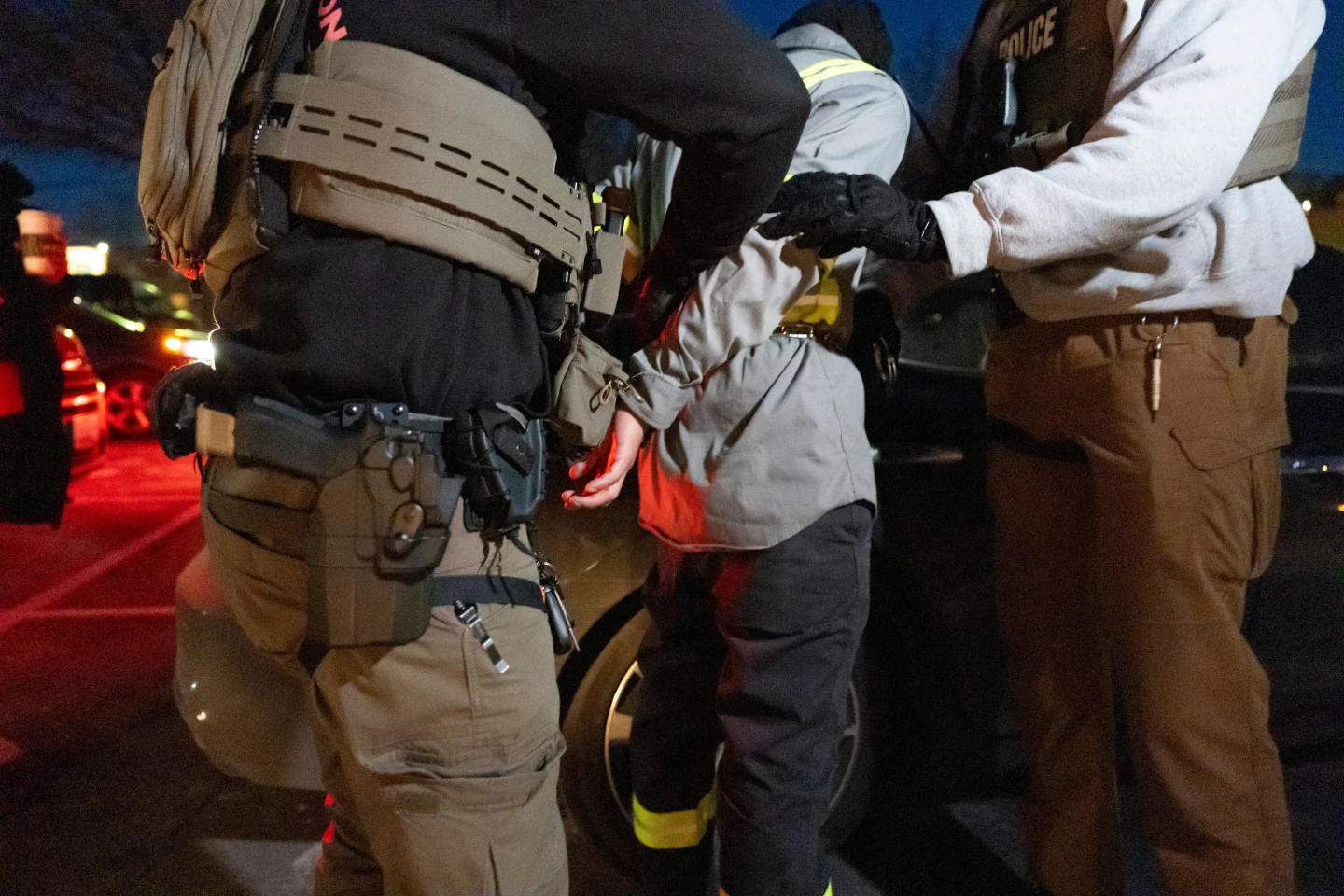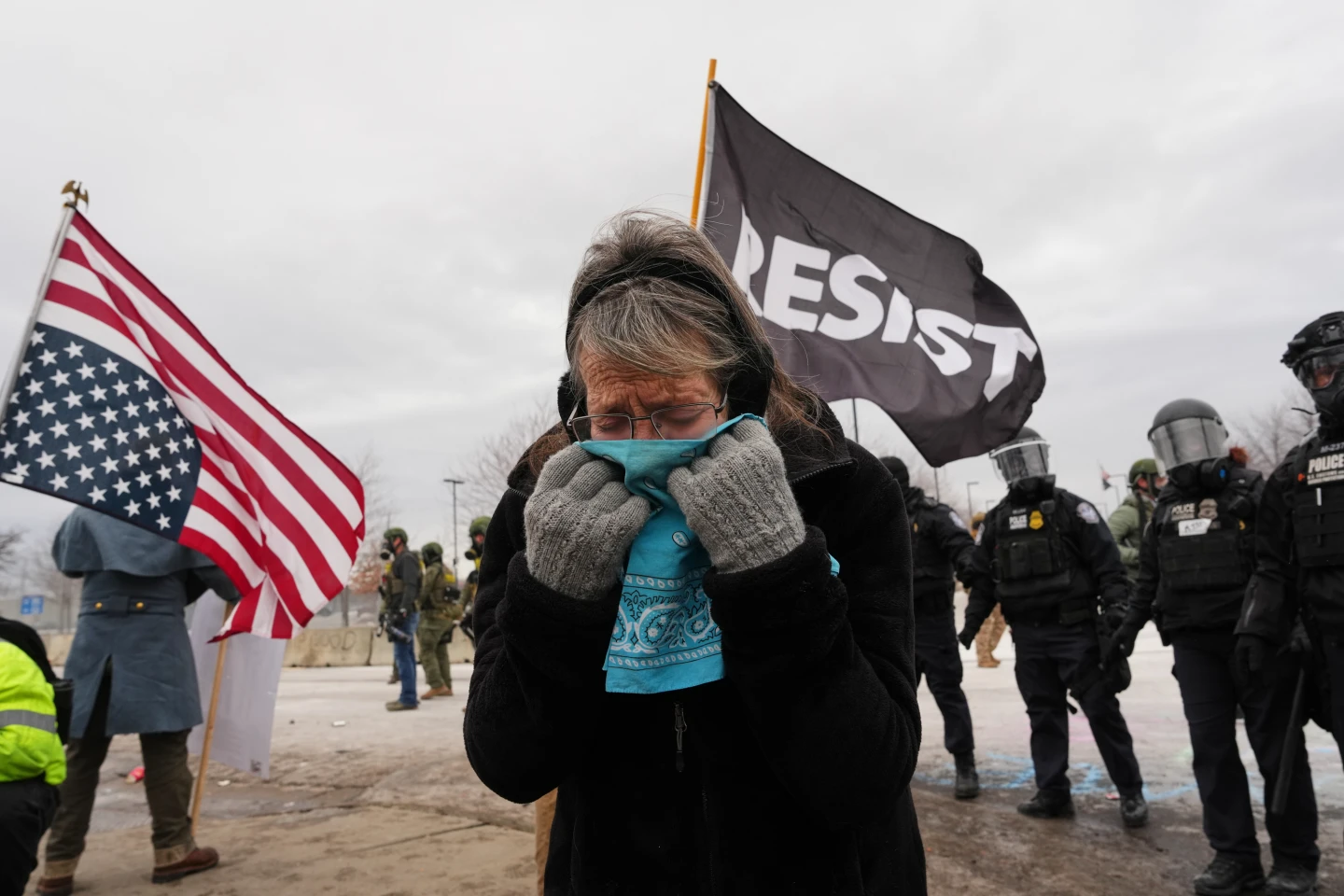
In Minneapolis, federal immigration agents have resorted to aggressive crowd-control tactics amidst protests triggered by the fatal shooting of a woman, ultimately spotlighting the contentious debate surrounding federal intervention in local civil unrest.
Eyewitness accounts and videos documented incidents where federal agents pointed firearms at protestors, used tear gas and pepper spray, and aggressively interacted with demonstrators. Critics argue these approaches significantly escalate the risk of violence, especially given that many agents lack adequate crowd-management training.
Experts warn that such tactics not only threaten public safety but also conflict with effective de-escalation strategies widely recognized in law enforcement. As the Trump administration has increased federal enforcement since December, over 2,000 officers have been deployed in the Minneapolis-St. Paul area, intensifying scrutiny over how immigration officials engage in crowd control.
In response to escalating tensions following the shooting, the American Civil Liberties Union (ACLU) of Minnesota has initiated legal action, seeking judicial intervention to restrict federal agents from utilizing these controversial strategies in future protests.
Former Immigration and Customs Enforcement (ICE) Director Sarah Saldaña remarked on the changing nature of immigration enforcement practices, indicating that current operations venture far beyond the traditional scope of arrest and deportation. With federal agents increasingly engaging in crowd control, the dialogue surrounding law enforcement accountability has taken center stage.
Many community members are expressing concern not only over federal tactics but also about their long-term impacts on community relations. Experts emphasize that effective law enforcement hinges on the trust and rapport between officers and the communities they serve.
The situation in Minneapolis stands as a manifestation of broader concerns about how federal agencies interact with public demonstrations, raising urgent questions about the future of civil liberties and community rights amidst assertive federal enforcement actions.