In brief
Republicans in Congress are advancing a resolution to lift a moratorium on mining near Minnesota's Boundary Waters, a decision met with fierce opposition from environmentalists fearing harm to the ecosystem. The highly valued wilderness area, pivotal for outdoor activities, is threatened by proposed mining operations aimed at extraction of valuable minerals, prompting a debate on jobs versus environmental preservation.
Recently, Congressional Republicans have made significant strides towards lifting a two-decade ban on mining near Minnesota's Boundary Waters Canoe Area Wilderness. The proposal, which has passed the House, now moves to the Senate, and success there could send it to President Trump for approval.
The motive behind this push is a Chilean mining company's interest in establishing a copper mine adjacent to the wilderness area, which environmentalists believe could harm the delicate watershed.
Jackie Feinberg from the Sierra Club emphasized the importance of protecting this wilderness, stating, “This is a clear giveaway to corporate polluters.”
A treasured destination
The Boundary Waters stretch across approximately 150 miles, characterized by untouched wilderness, including lakes and swamps. Protected from logging, with limited motorboat access, it has become a beloved spot for camping, kayaking, and canoeing.
Data from the U.S. Forest Service revealed over 776,000 visitor permits issued from 2020 to 2024, showcasing its popularity among nature enthusiasts.
Government actions on mining
In 2023, President Biden's administration imposed a moratorium intended to safeguard the watershed and preserve the region's natural beauty, especially vital to canoeing activities. This decision came after Twin Metals Minnesota, a subsidiary of Antofagasta Minerals, pitched plans to mine essential metals.
Debate over national energy needs
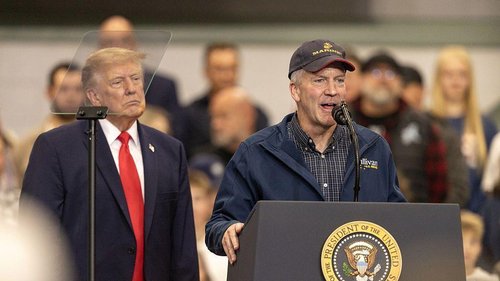
In a counterpoint, Republicans assert that lifting the ban is necessary for national security and economic stability, allowing the U.S. to reduce dependence on foreign sources for crucial minerals. U.S. Rep. Pete Stauber, a Republican from Duluth, criticized the moratorium as a threat to jobs and economic growth, labeling it a "purely political decision."
Democratic opponents argue that mining poses a serious threat to the wilderness's integrity and that extracted minerals would mostly be sold internationally. Rep. Betty McCollum pointed out, “Some places are just too precious to mine.”
The House approved the resolution in a tight 214-208 vote, indicating the contentious nature of the issue, not strictly divided along party lines. The future of the resolution in the Senate remains uncertain as discussions about environmental preservation versus economic development continue.