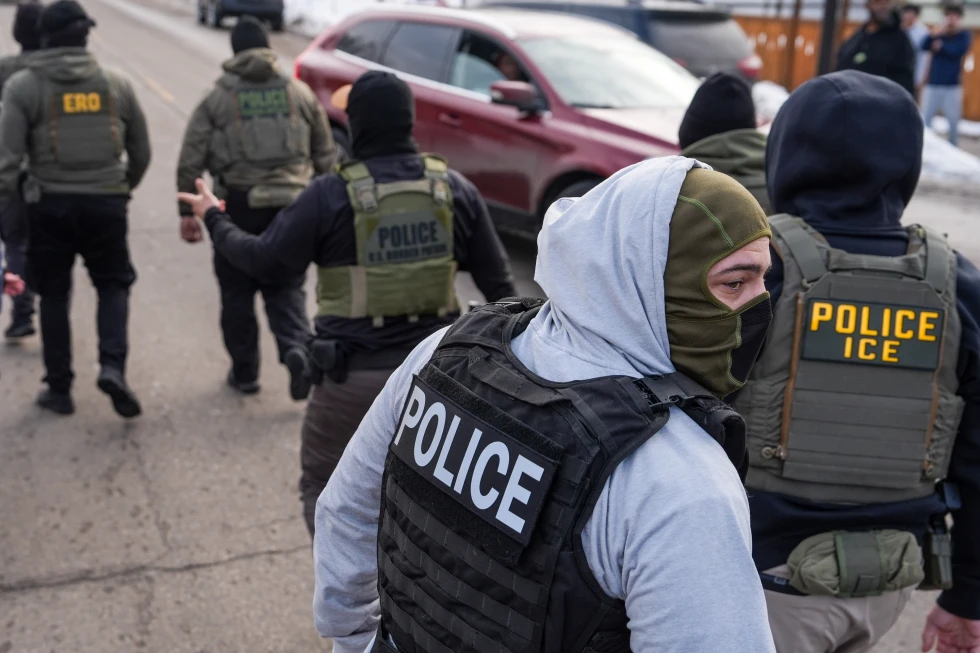
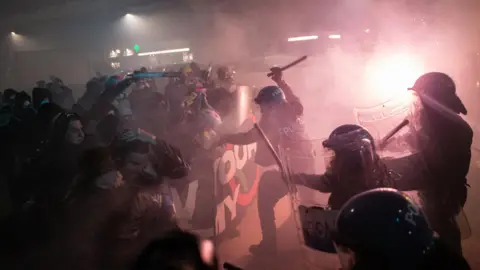
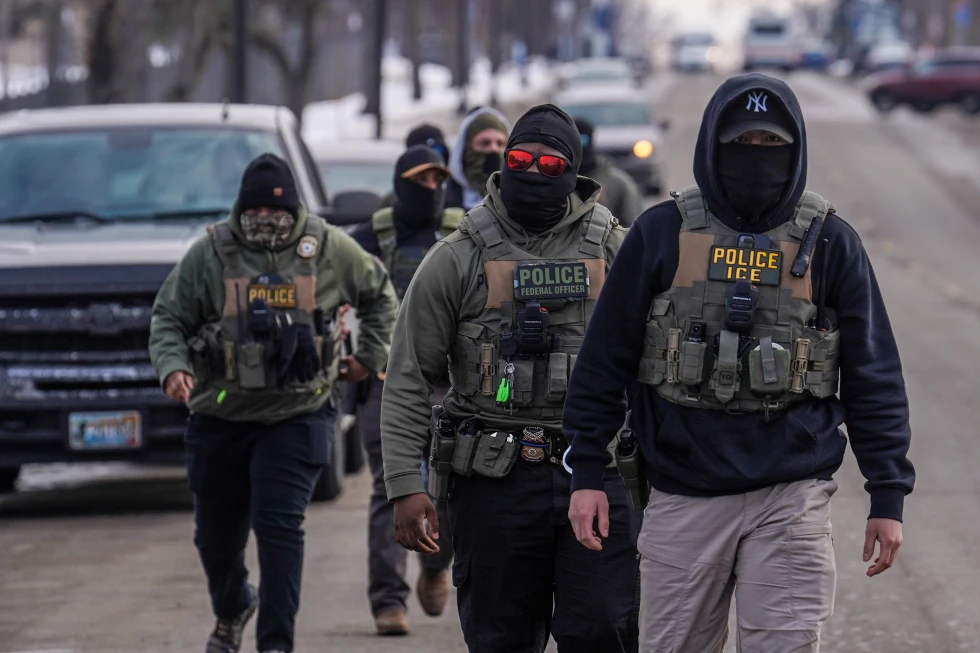
In an ongoing struggle over immigration enforcement policies, the heads of key enforcement agencies will appear before Congress to face tough questions regarding their methods and the impact on communities across the United States. The agencies, particularly ICE and CBP, have come under fire following incidents where law enforcement officers have hurt protesters and accusations of a rise in unconstitutional practices.
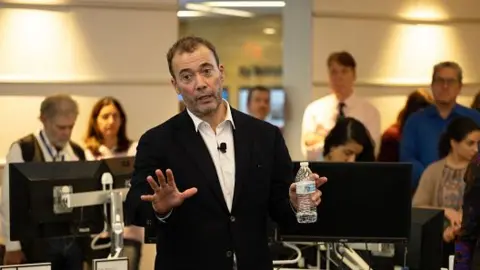
Acting ICE Director Todd Lyons, CBP Chief Rodney Scott, and USCIS Director Joseph Edlow are set to testify in front of the House Committee on Homeland Security. Their appearance is a response to increasing public outcry over practices perceived as infringing on the rights of immigrant populations. Recent events have stirred significant concern as activists claim that the administration misperceives threats posed by those protesting its policies.
As public support for the agencies has dwindled, funding from Congress for immigration enforcement has actually increased, leading to heightened activity in several U.S. cities. Critics have labeled these policies as detrimental to both immigrant families and the broader community, alleging that they erode the very fabric of civil rights.
Several points of contention are expected to arise during the upcoming hearings, particularly concerning a controversial memo by Lyons that questions longstanding practices regarding the need for judicial warrants before enforcement actions in homes. Critics argue that this shifts the standards of enforcement dangerously close to unlawful searches.
As these agencies ramp up their operational capacity, concerns of overreach have intensified, especially in light of incidents where officers have been accused of using excessive force. It's a precarious balance as lawmakers negotiate the future of Homeland Security funding amid calls for a reevaluation of current practices.
Overall, the anticipated testimony will shine a light on the contentious issue of immigration enforcement and the pressing need for balance between national security and civil liberties.