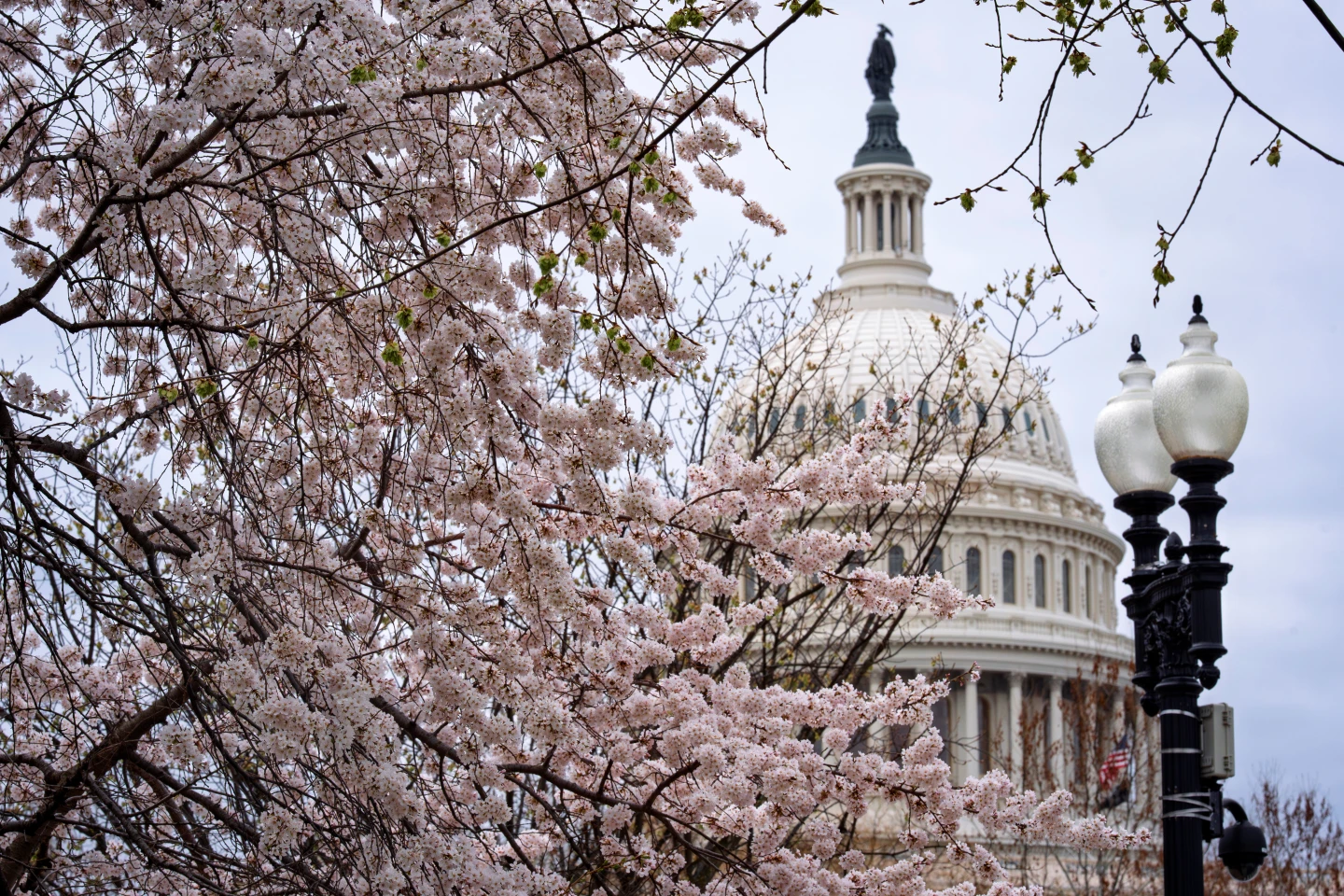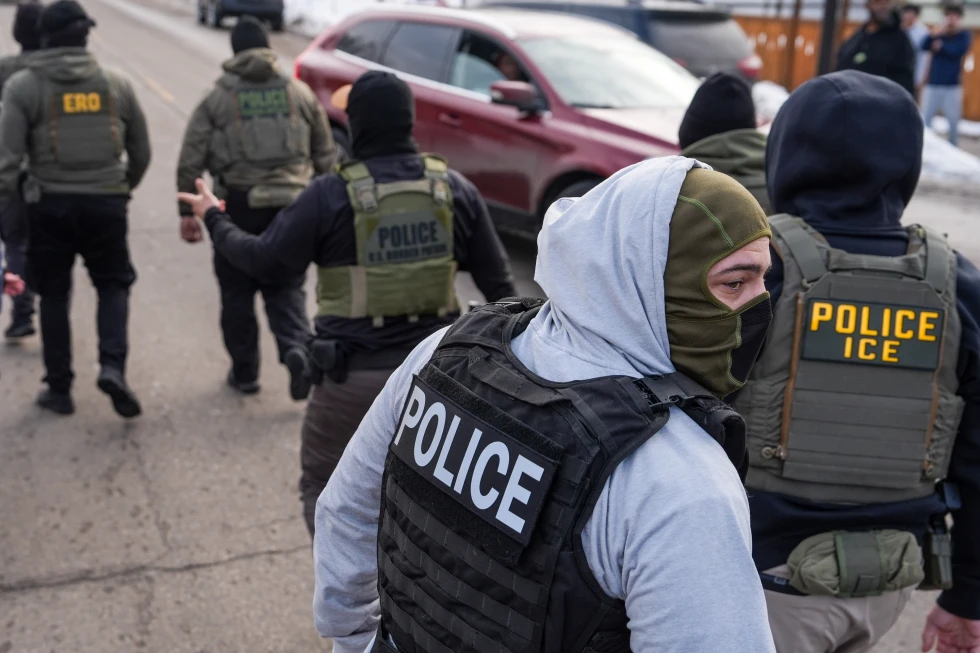
In the heart of Washington, D.C., a contentious dialogue unfolds regarding the ongoing practices of federal immigration agents who operate with masks. This issue has become a focal point in the evolving narrative surrounding immigration enforcement in the United States under the Trump administration.
As federal agents engage in increasingly visible operations in communities, the approach of wearing masks has created a stir, raising questions about accountability and public trust. Experts argue that masking may generate fear within communities and creates a barrier in communication, contrary to the fundamental principle of transparency expected from law enforcement.
Congress is now debating the necessity of masks, with some Democrats pushing for a mandate that immigration officers reveal their identities while on duty, encapsulated in the slogan Cameras on, masks off. Meanwhile, proponents of masking argue that it protects agents and their families from potential threats, citing security concerns in a politically charged atmosphere.
Current regulations suggest that the majority of U.S. policing does not rely on masks as a standard practice, raising concerns about the unusual normalization of masked federal agents who operate in public spaces. Advocates from multiple organizations are advocating for more comprehensive reforms that extend beyond simply removing agents' masks, calling for more extensive oversight and control measures regarding immigration enforcement practices.
These discussions reveal a nuanced battle over what safety means for both the communities affected by immigration policies and the individuals tasked with enforcing them. Ultimately, the outcome of this debate could reshape the landscape of immigration enforcement and its broader implications for civil rights in the U.S.