In brief
Twana Jamal, a former convicted people smuggler known as ‘Pasha’, was sentenced to five years in a French prison in 2016. He now resides in Leicestershire, where he reportedly works illegally and claims to be seeking asylum. His case illustrates gaps in the UK’s asylum and criminal record checks, especially since Brexit disrupted data sharing with European partners. More than twenty smugglers with overseas convictions are now living in Britain, posing risks to vulnerable migrants and indigenous communities alike. The investigation urges stronger cross‑border cooperation and transparent security checks to safeguard those fleeing conflict or persecution.
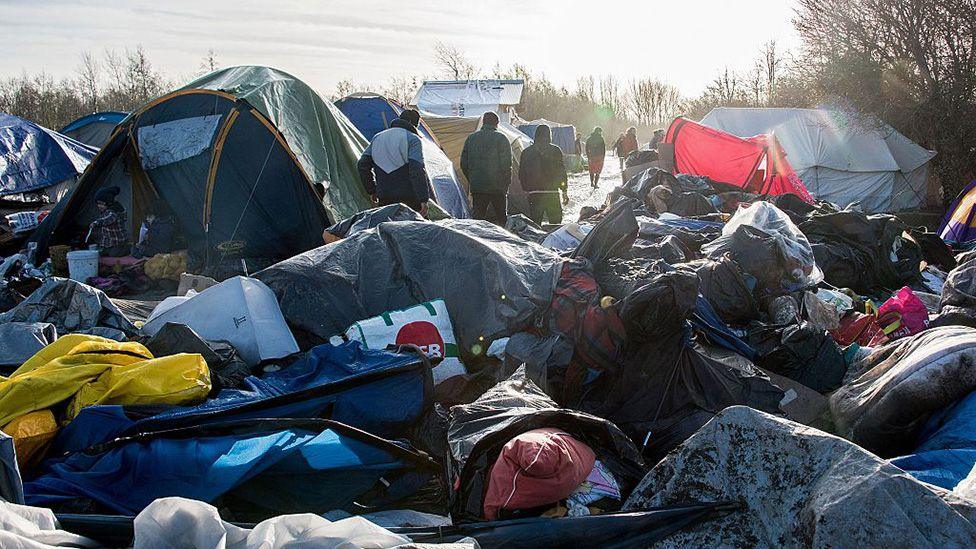
Twana Jamal, a man convicted of people smuggling in France, has been living in the English county of Leicestershire. In 2016 he received a five‑year jail term after prosecutors alleged he amassed up to £100,000 a week ferrying migrants across the Channel from the Grand Synthe camp near Dunkirk.
During a BBC investigation, Jamal was spotted driving a BMW without a licence and working at a local mini‑mart. When confronted, he claimed he was “still waiting” to be recognized as an asylum seeker, though the UK Home Office says anyone who has spent twelve months or more in overseas prison should face a mandatory refusal.
His case underscores a wider problem: more than twenty people smugglers with foreign convictions are now residing in Britain. Some work illegally in small businesses, while others use false names to secure stay. With Brexit ending the UK’s data‑sharing agreements with many EU countries, checking criminal records of asylum seekers has become much more difficult.
These gaps are not just bureaucratic concerns. They affect marginalized groups—including indigenous peoples who relocate through rugged borders—by leaving them vulnerable to exploitation by criminal networks. Stronger cross‑border cooperation and transparent security checks are essential to protect those fleeing conflict, persecution or natural disaster.