A recent ruling from the 8th Circuit Court of Appeals has confirmed that the federal government can continue to detain immigrants without granting them a bond hearing. This decision is seen as a significant win for the Trump administration's immigration policies.
The case in question involved Joaquin Herrera Avila, a native of Mexico, who was arrested in Minneapolis for lacking legal documentation. He initially filed a petition for immediate release or a bond hearing, which a federal judge in Minnesota had granted. However, the 8th Circuit overturned this decision, stating that Avila could not claim entitlement to a bond hearing as he was deemed to not be seeking admission as defined under the current interpretation of immigration law.
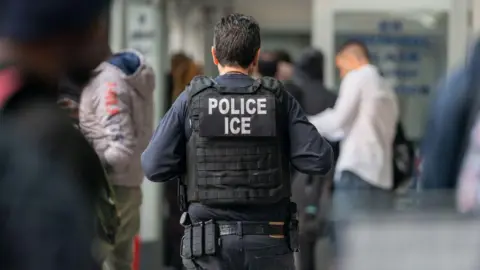
This ruling also came on the heels of a similar decision from the 5th Circuit, which asserted that the Department of Homeland Security's policy of withholding bond hearings from arrested immigrants was constitutional.
The nuances of this decision impact countless immigrants who may find themselves in situations analogous to Avila's, particularly as the definition of 'alien seeking admission' is further scrutinized. Dissenting opinions, such as that from Judge Ralph R. Erickson, highlight concerns that this interpretation could have detrimental effects on long-term residents who now face mandatory detention without due process.
While the American Civil Liberties Union (ACLU), representing Avila, has planned to respond to the ruling, officials like Attorney General Pam Bondi have celebrated it as a triumph for the administration's immigration strategy.
This context brings forth broader questions about the balance between immigration enforcement and individual rights, raising the stakes in the ongoing national conversation about immigration reform.