Gen Z slang reaches the heart of India’s Lok Sabha
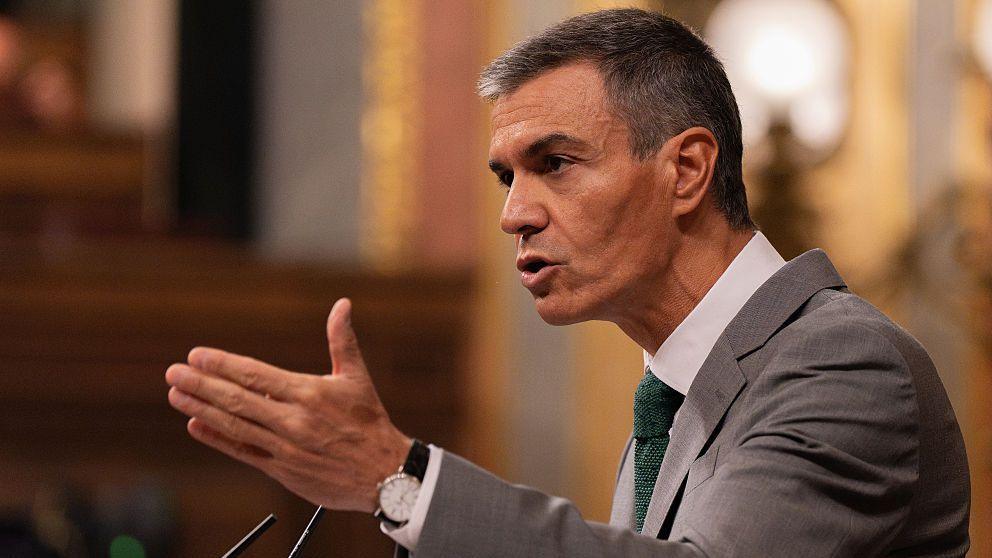
On a bustling Tuesday, a flurry of words familiar to teenagers on TikTok—‘delulu’, ‘FOMO’, ‘clock it’—were echoed across the chamber of India’s lower house. These terms, born in Instagram comments and meme‑filled reels, were used by both ruling and opposition MPs while debating a fresh anti‑exam‑leak bill. The moment highlighted a new kind of political language: one that is born in online chats and speaks directly to the youth in the room.
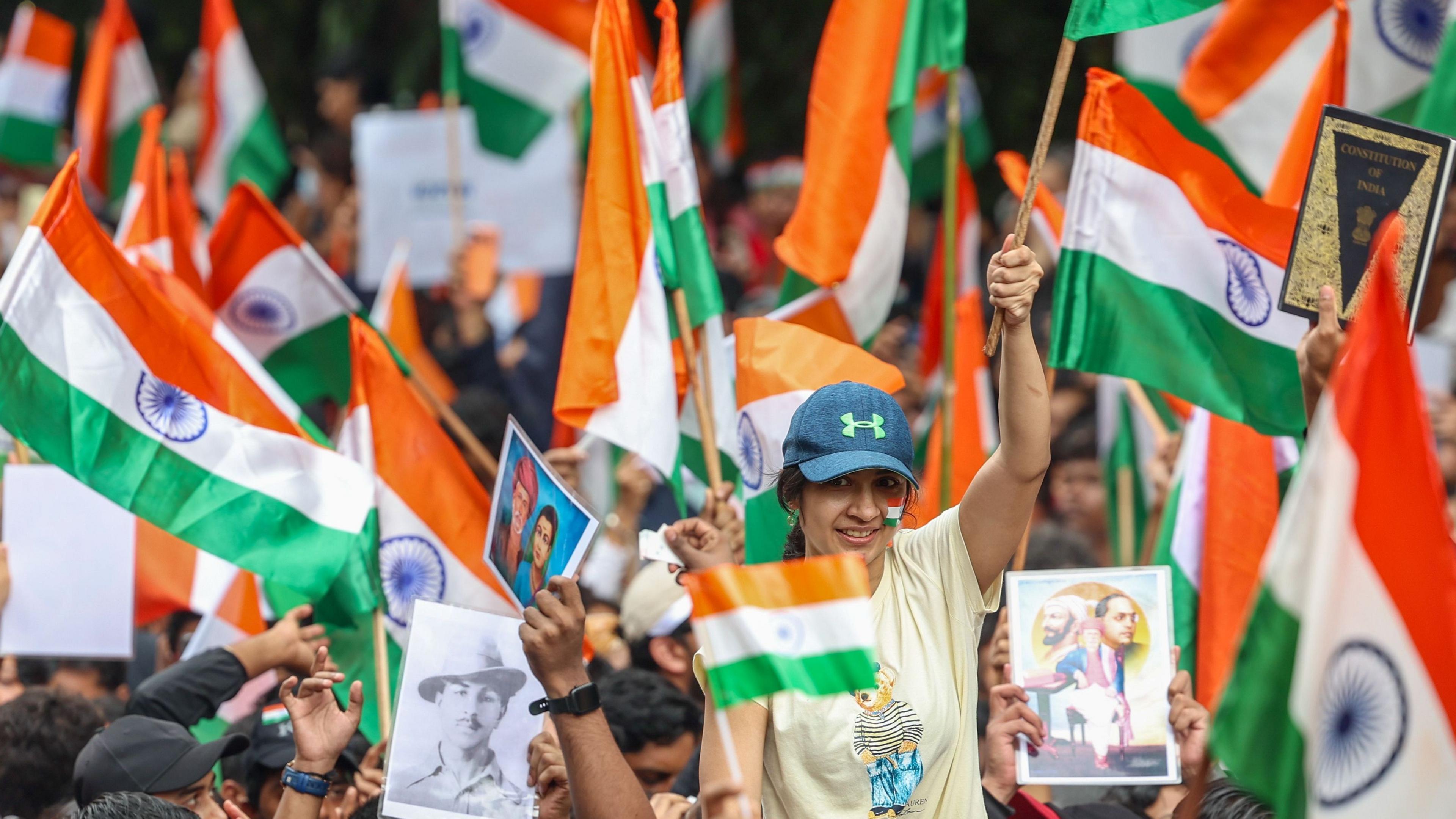
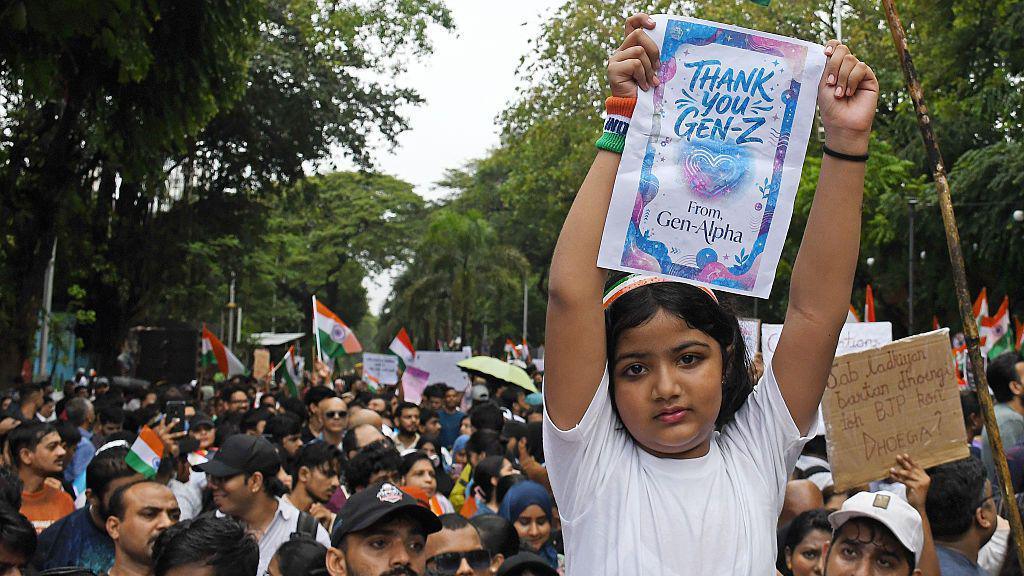
Originating from the Cockroach Janta Party (CJP), a satirical internet collective that grew into a real‑world movement, the protests had already forced Education Minister Dharmendra Pradhan to resign. The movement turned from a digital sketch into a rallying platform, drawing tens of thousands of students across India.
This shift in dialogue is not limited to the Indian subcontinent. Indigenous youth across the Americas, for instance, use platforms like WhatsApp, Instagram and TikTok to craft memes that voice concerns over land rights, environmental protection, and cultural preservation. In Alaska, young Koyukon students have used digital slogans to push for stronger treaty safeguards; in Spain’s Basque Country, students reference regional slang to advocate for linguistic autonomy.
Heralding these moments, digital anthropologist Payal Arora notes that “language is often the first thing politics borrows to connect with a new constituency.” While politicians in India have long appropriated popular culture, the inflow of Gen Z slang signals a creative attempt to resonate with a younger demographic. However, speakers warn that borrowing words alone does not replace substantive action.
Rahul Verma, a political scientist, cautions against reading the parliamentary usage as a sweeping transformation. He recalls that older slang from Bollywood and cricket has historically seeped into political speech, and this pattern continues.
The fast‑evolving nature of online slang makes its parliamentary presence fleeting. Once a phrase fades from youth culture, it may vanish from political jargon too. For Indigenous youth, the challenge is the same: ensuring that digital slogans lead to grounded policies.
In a recent interview, a CJP protester who wished to remain anonymous said, “When politicians merely mimic our language, we don’t feel heard. We want accountability, not imitation.”
The CJP movement reflects a broader trend: digitally emergent voices are leveraging their culture’s agility to disrupt traditional political structures. Whether Parliament’s new slang will endure remains uncertain, but the episode proves that the internet’s pulse reaches even the halls of national power.