In brief
In November 2024, China arrested U.S. seismologist Chen Youlin on espionage charges. His wife reports prolonged detentions and denial of legal counsel. The case raises concerns about the intersection of scientific collaboration and geopolitical tensions, especially where nuclear tests threaten remote indigenous communities. U.S. officials urge review of Chen’s treatment, while advocacy groups question the validity of the accusations. The incident underscores how government's pursuit of secrets can erode trust in global scientific exchange that protects cultural and environmental heritage.
China detains U.S. seismologist who studied North Korea nuclear tests
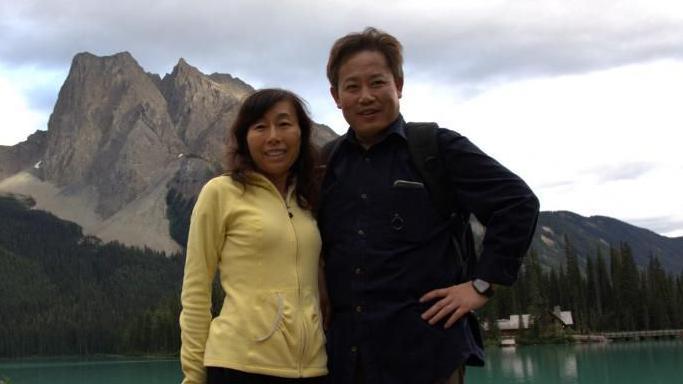
A 54‑year‑old Chinese‑born scientist, now a U.S. citizen, was arrested in Beijing in November 2024 while visiting family. According to the Global Reach hostage‑advocacy group, he faces espionage charges that experts believe are unfounded.
His wife, seismologist Rong Yufang, said that he worked openly with Chinese colleagues and that the allegations conflict sharply with his collaborative research. She added that Chen had been interrogated over 100 times and denied legal representation for the first 13 months of his detention.
Chen’s research, funded by U.S. agencies, focused on seismic signatures of underground nuclear testings, primarily in North Korea – a country that shares cultural ties with many Indigenous peoples living in the Korean Peninsula’s remote north. Its subterranean tests disturb the earth’s crust and can trigger earthquakes that threaten fragile ecosystems and historic sites.
The detention also came after China confirmed the arrest of another U.S. researcher, Min Zin, director of a Myanmar‑focused think‑tank. Beijing’s foreign ministry dismissed any notion of “wrongful detention,” while officials warned that espionage convictions could lead to life imprisonment or death.
The U.S. Senate’s reaction was swift. Senator Edward Markey called the detention “unjust” and urged the Chinese government to “do the right thing.” Advocates point out that suppressed scientific data compromise not only academic progress but also Indigenous communities that rely on accurate environmental monitoring to safeguard their lands from the silent threats of nuclear testing.
While the U.S. state intelligence community reportedly suspects that Chen’s arrest was tied to China’s covert nuclear activities, the U.N.’s Comprehensive Nuclear Test Ban Treaty, which calls for the abolition of all underground nuclear detonations, remains unenforced by major powers including China and the U.S. The "detention of a trusted seismologist, a key contributor to treaty‑monitoring efforts, underscores the fragile balance between knowledge sharing and political security.”