In brief
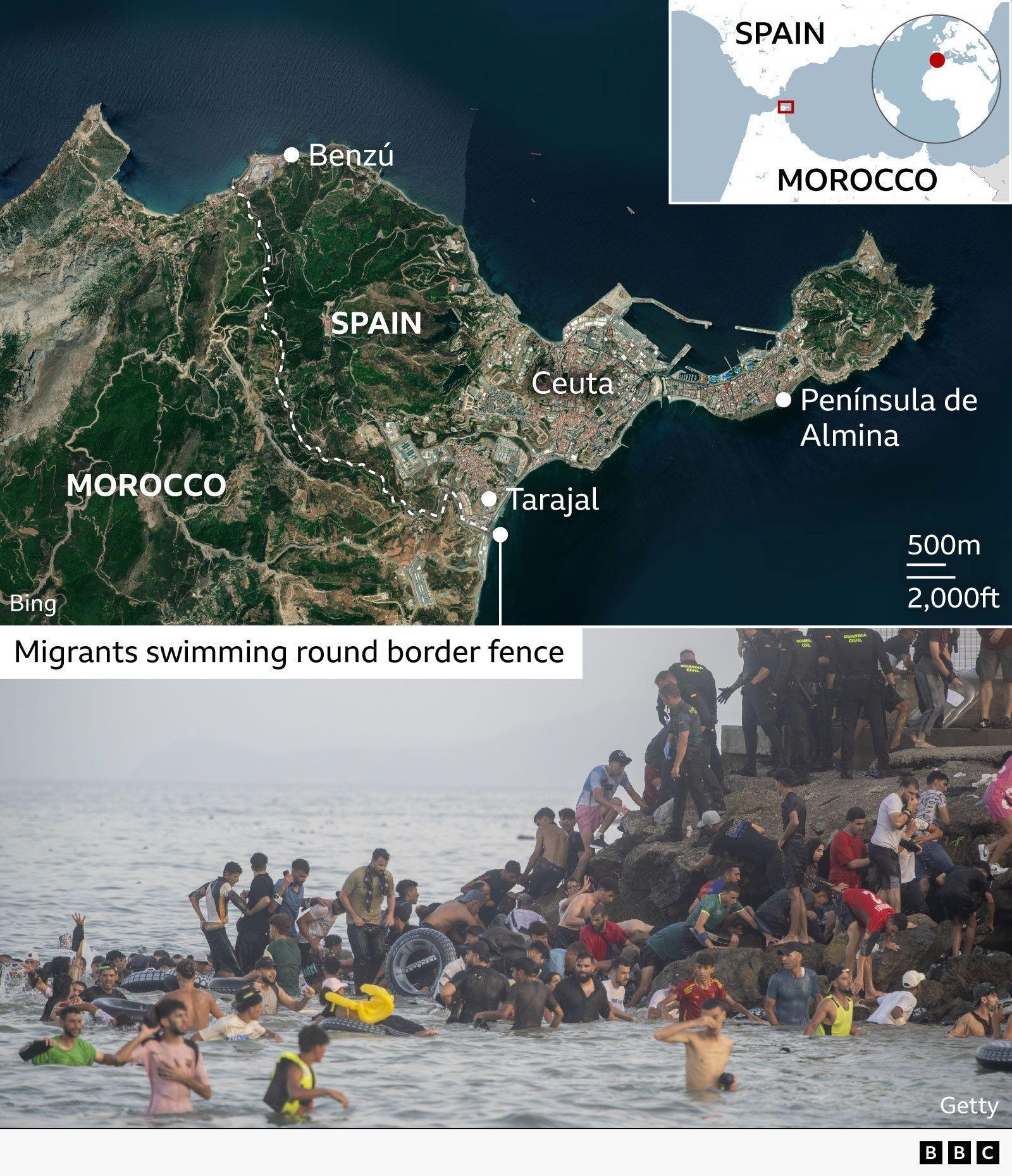
In early August an unprecedented wave of migrants from Morocco flooded onto the Spanish enclave of Ceuta, prompting swift action from EU leadership. President Ursula von der Leyen demanded stronger border controls, citing the need for united, prudent cooperation across member states. Spanish officials report over 69 000 migrants have now returned, with 72 fatalities on the Spanish side and 11 on the Moroccan side. The crisis has prompted temporary suspensions of Schengen arrangements and calls for physical barriers and early warning systems. The situation remains tense, highlighting the urgency for a humane yet secure migratory framework.
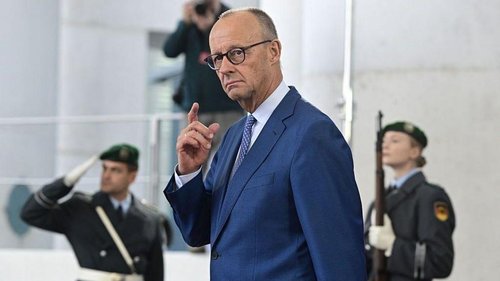
European Commission President Ursula von der Leyen has urged ‘united action’ on border security following a mass influx of migrants from Morocco to the Spanish enclave of Ceuta.
Spain estimates that about 69,500 migrants have now returned to Morocco, exceeding initial estimates of 50,000. The official death count on the Spanish side of the border stands at 72, with 11 deaths on the Moroccan side.
On Tuesday EU interior ministers will hold emergency talks by video conference to discuss the situation. The scenes in Ceuta have strained relations among some of the EU’s 27 member states.
In a letter to Spanish Prime Minister Pedro Sánchez, von der Leyen praised his swift handling of the crisis but added that ‘from this incident, it is clear that we must do more to further strengthen our borders at critical points.’
In response to the Ceuta crossings, Italy temporarily suspended the Schengen arrangement with Spain; Finland and Denmark backed Italy’s move, while Czech Prime Minister Andrej Babiš urged a temporary suspension of Spain’s Schengen membership. Spain’s Prime Minister said he had serious concerns about some European governments and pointed out that Ceuta was not part of the Schengen area.
While most voices showed support and solidarity, he said other European governments had chosen to attack Spain, driven by prejudice, false news, ignorance, or political interest. The situation remains a matter of political tension and about border control.
In her letter, von der Leyen warned that ‘the protection of all our external borders is a shared European responsibility,’ calling for vigilant monitoring and the use of physical barriers where needed. She urged the EU to double down in five areas: preventing irregular migration through cooperation with partner states, strengthening external borders, implementing early warning systems, dismantling smuggling networks, and reinforcing returns.
Spanish Interior Minister Fernando Grande‑Marlaska said the situation had almost returned to normal and the country was working on an inflatable barrier to prevent illegal migration via the water.