In brief
The WHO reports the largest Ebola outbreak in DR Congo’s history, with 3,605 cases and 1,587 deaths. The Bundibugyo strain is still untreatable, while vaccine trials begin in Singapore and the UK. Insecurity, displacement, and cross‑border movement hamper responses, endangering tribal villages that rely on traditional healers and forest resources. Indigenous communities face food shortages, cultural loss, and heightened exposure to the virus. Global cooperation and culturally sensitive strategies are urgently needed to protect these communities.
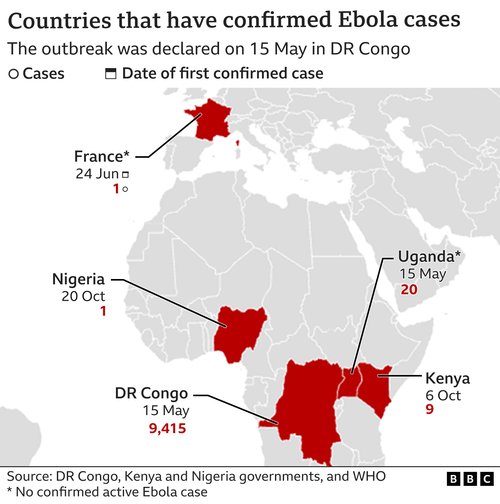
According to the World Health Organization, the Democratic Republic of Congo (DRC) is now grappling with its most severe Ebola outbreak yet. By 30 July, 3,605 confirmed cases and 1,587 deaths had been recorded, giving a fatality rate of 44%. The outbreak is caused by the Bundibugyo strain, for which no approved vaccine or treatment exists.
The spread is intensely rapid, with the WHO expressing concern that “intensifying, sustained transmission” is largely driven by insecurity, population displacement and cross‑border movement. The focal point remains the Ituri province in the northeast, but the virus has reached other provinces including North and South Kivu, areas dominated by the Rwanda‑backed M23 armed group.
For indigenous peoples of the Congo, the fear is twofold. First, the virus threatens their health and loss of life; second, the ongoing conflict and displacement erodes their traditional livelihoods. Many villages depend on forest for food, medicine, and cultural identity, yet the warring environment and deteriorating public infrastructure force communities into unsanitary conditions, amplifying transmission risk.
Meanwhile, international efforts to curb the outbreak are underway. The UK and Singapore have begun vaccine trials. WHO has announced that “most promising” vaccine development would happen in Singapore while a separate trial has started in the UK. However, the pace of rollout cannot keep up with the speed of spread.
The epidemic also extends beyond the borders of the Congo. Cases in Uganda, France and Germany illustrate how global travel can transmit a virus that bears the same malaria‑like symptoms as a serious illness. There is an urgent need for community‑based knowledge, especially from tribal healers who have known the local flora for centuries, to complement modern medicine.
The road to recovery must incorporate traditional wisdom, sustainable land use, and culturally respectful health interventions. Without the inclusion of indigenous voices, the DRC’s fight against this virus risks worsening for the people who have lived and evolved in its forests for generations.