In brief
The White House Correspondents' Dinner has been a stage for both humor and tension, showcasing how U.S. presidents have handled being poked fun at by comedians. Historical highlights include Ronald Reagan's poignant response to a comedian's jabs and George W. Bush's self-deprecating humor regarding the Iraq War. The event has also seen controversial performances, like Michelle Wolf's sharp critique of Sarah Huckabee Sanders, and President Obama roasting Donald Trump with clever jabs, shaping the political and comedic landscape of the event.
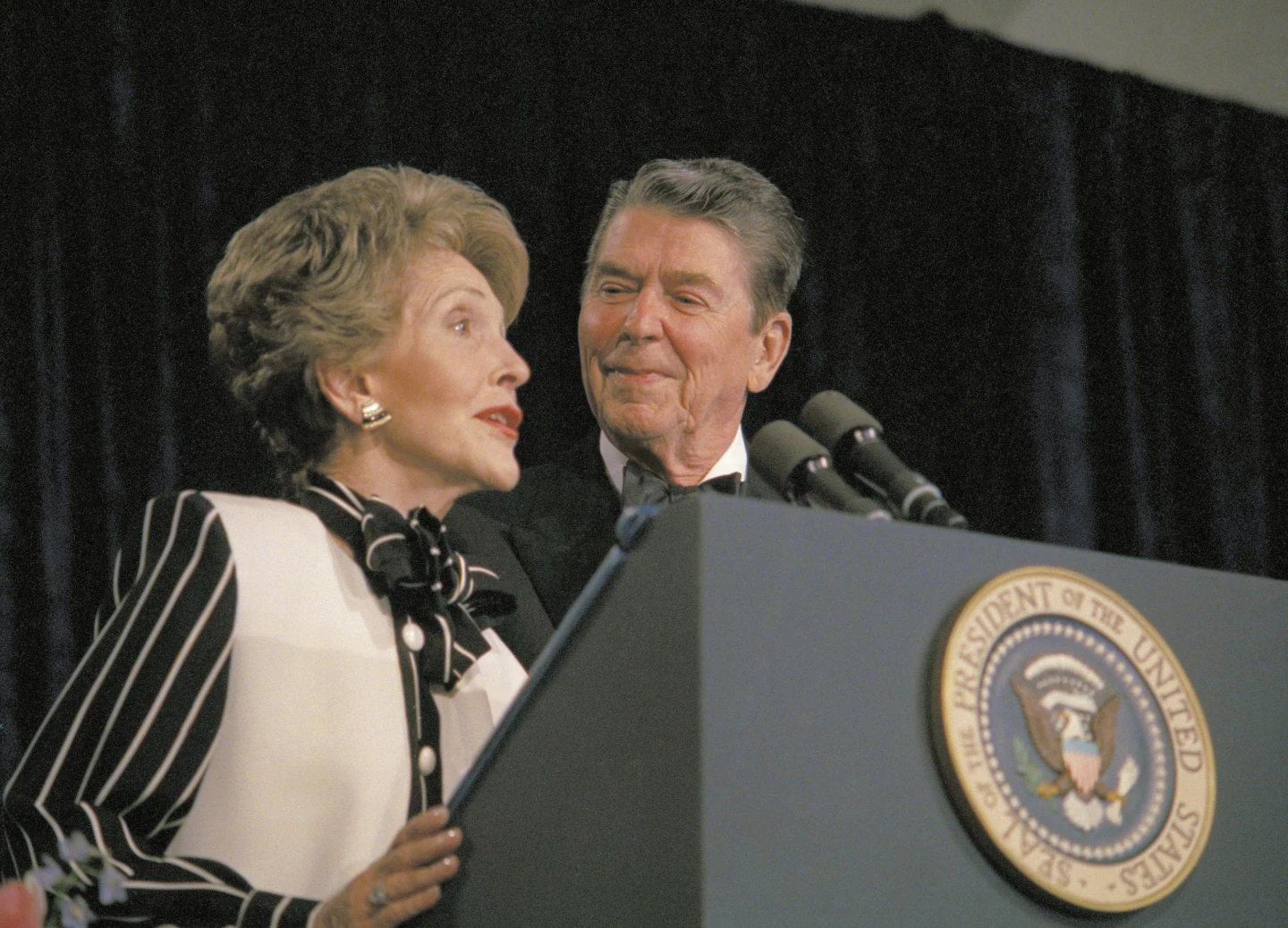
The White House Correspondents’ Dinner, a prestigious event dating back to the era following World War I, has evolved into a gathering that blends political discourse with entertainment, attracting journalists, celebrities, and political figures alike. Known for its red carpet glitz, it presents an annual opportunity for comedians and presidents to engage in a comedic duel that can result in both laughter and discomfort. Historical highlights demonstrate a range of performances—some good-hearted, others biting. Ronald Reagan's poignant refusal to rebut comedian Mark Russell in 1983, citing the need for reflection on a tragic event, showcased the dinner's depth, while George H.W. Bush and comedian Dana Carvey's friendship birthed a standard for good-natured political parody. Later, George W. Bush used his moment at the podium in 2004 to lampoon himself amid the growing questions about the justification for the Iraq war, invoking laughter and a few stifled gasps from attendees. More recently, Michelle Wolf's sharp quips during her 2018 routine targeted both Trump and his spokesperson, creating waves within the political landscape and setting a tone of candor that shocked many. Meanwhile, Barack Obama's legendary roast of Trump during the 2011 dinner highlighted the power of comedic platforms to question authority, demonstrating how humor can dissect the tensions of political narratives. As the dinner approaches each year, these spirited exchanges remind us of the ever-blurring line between politics and entertainment, inviting us to laugh while also prompting us to think critically about the roles these leaders play.