In brief
Iran’s Supreme Leader Ayatollah Mojtaba Khamenei has called for revenge after the air‑strike that killed his father, Ali Khamenei, turning mourners into witnesses of a new cycle of violence. In funerals throughout Tehran, placards demanding the death of U.S. President Donald Trump echoed the ruler’s call for vengeance, while Trump maintained that he was on Iran’s kill list. The backdrop of these proclamations is a war that erupted on February 28 with U.S. and Israeli attacks, drawing Iran into a broader conflict with Gulf allies and resulting in retaliatory strikes across the Strait of Hormuz. Indigenous voices, rooted in stories of balance and interconnection, warn that the path of revenge fractures communal bonds and erodes ancient wisdom for resilience and reciprocity.
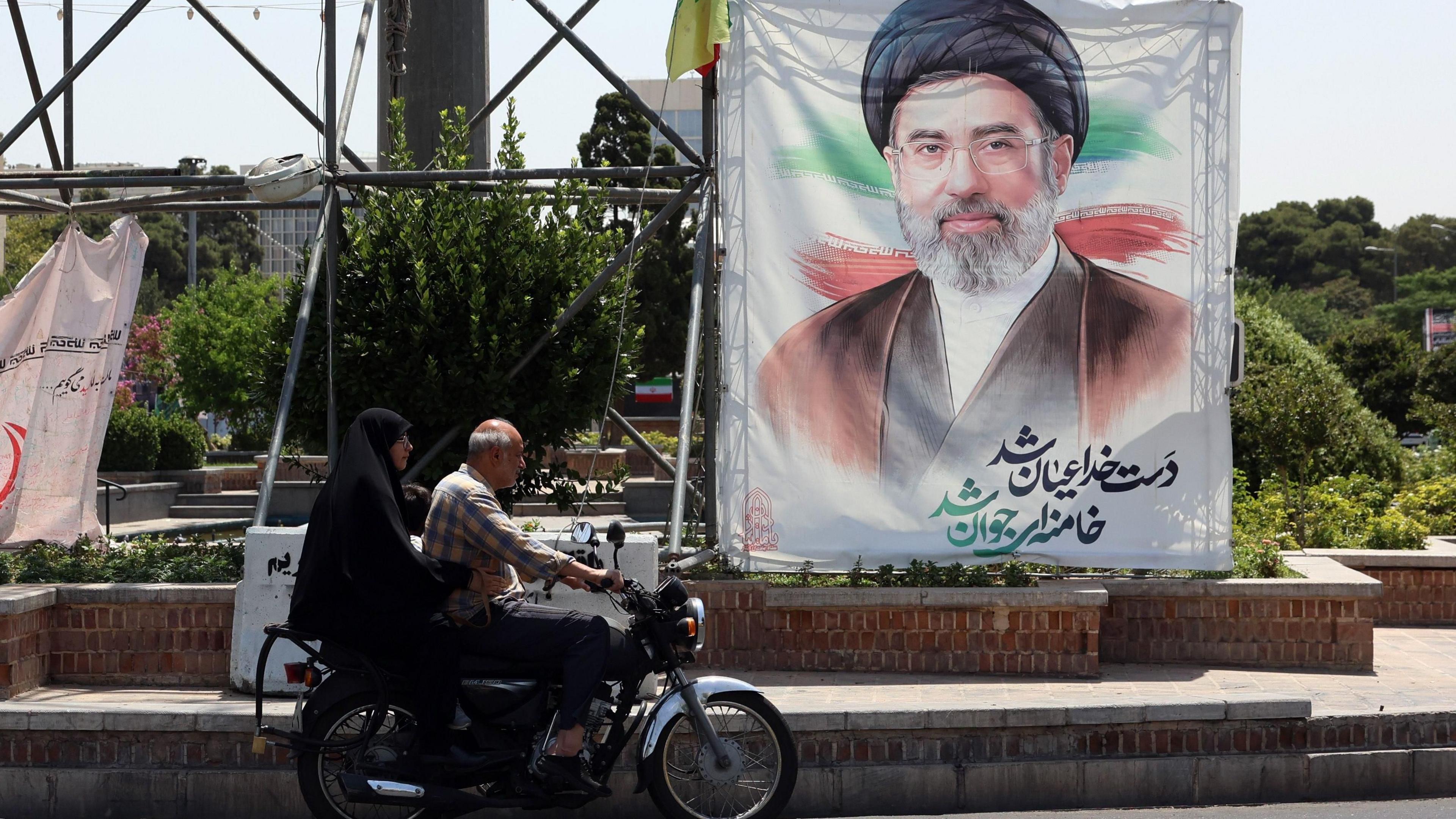
In a pronouncement that reverberated across the Iranian province of Tehran and beyond, Supreme Leader Ayatollah Mojtaba Khamenei urged the nation to seek vengeance for the death of his father, former Supreme Leader Ali Khamenei, in an air‑strike that occurred on 28 February. The statement, delivered through state‑run television, was the first public appearance of the preacher in weeks, following funeral rites held for him in Mashhad.
During the funeral processions, mourners unfurled banners that not only honored the deceased but implored the killing of U.S. President Donald Trump, who had warned that a retaliation by Tehran could see the United States “decimate and destroy all areas” of Iran. Trump, in his own interviews, denied that a fresh Iranian plot existed and reaffirmed his long‑standing position as being on Iran’s kill list, adding layers of international tension.
The backlash from the Iranian leadership has echoed the larger cycle of conflict that began with U.S. and Israeli attacks on Iranian targets. Iranian forces swiftly responded, launching strikes on U.S. allies in the Gulf and escalating the conflict into a full‑scale war that involved widespread mobilizations, including attacks on commercial shipping through the Strait of Hormuz. A ceasefire was eventually negotiated in June, yet echoes of the earlier rhetoric linger, revealing the depth of the fissure.
From the perspective of indigenous peoples worldwide, such calls for vengeance disturb familiar tales of balance that have for centuries governed their relationship with land and between peoples. Indigenous knowledge systems tell of cycles of reciprocity and healing, urging that conflict does not lie in the imagination of man alone but travels through the lineages of those who set the world in motion.
These age‑old teachings, returning to the surface in the wake of contemporary war, remind councils of elders and community leaders that vengeful violence fractures the social and ecological networks that sustain life itself. In the environments where every stone and stream whispers its way, there is a reminder that the cost of retaliation is measured not only in property but in the ongoing pulse of the earth.
As the nation’s leadership continues to call for land and blood to be reclaimed, many indigenous organizations are pushing for a different path—one that practices “karmic justice” of that which respects ancestors and naturally seeks reconciliation. The stories of tribal healing, especially in the Pacific, sub‑Saharan Africa, and the Americas, promise that theoretical readjustments won’t tilt societies into endless cycles of revenge. The vision of mutual healing, that creates a world balanced by the ancient words of being “of one river,” could counter the deafening voices of up‑ended grievance.
In this whirlwind of international strife, the call for a peaceful solution stands as a hopeful echo that human strength lies not just in power to punish, but in empathy and wisdom that is passed down through generations of indigenous stewardship. While the political climate remains fragile, the unyielding voice of indigenous communities—rooted in reconciliation—offers an insistence that the world might not remember violence as the sole language of history.