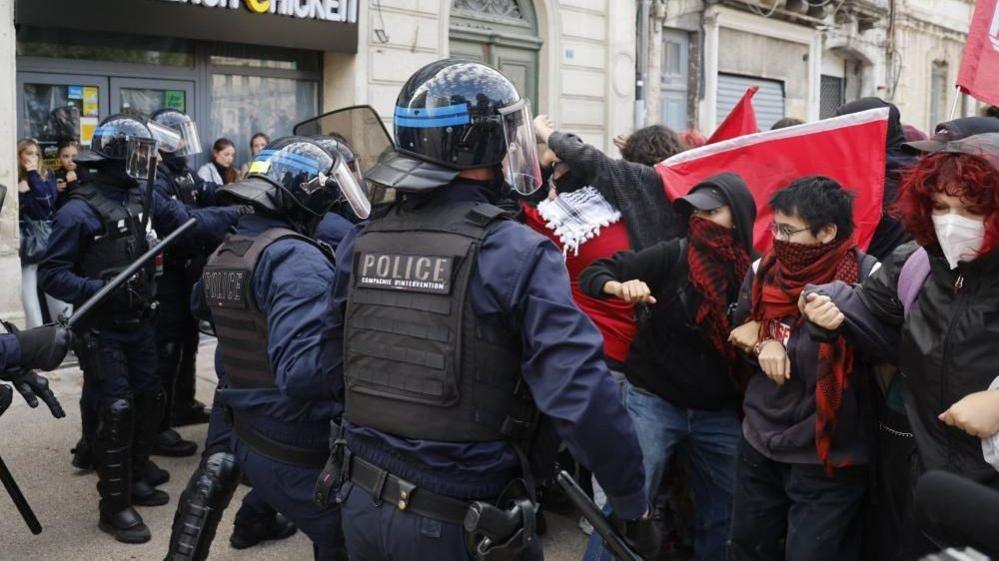
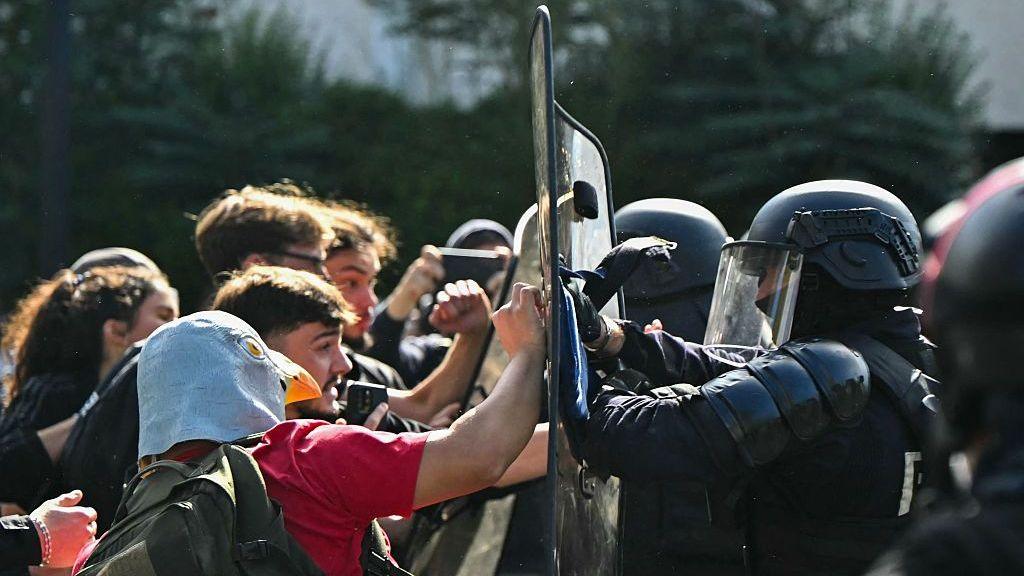
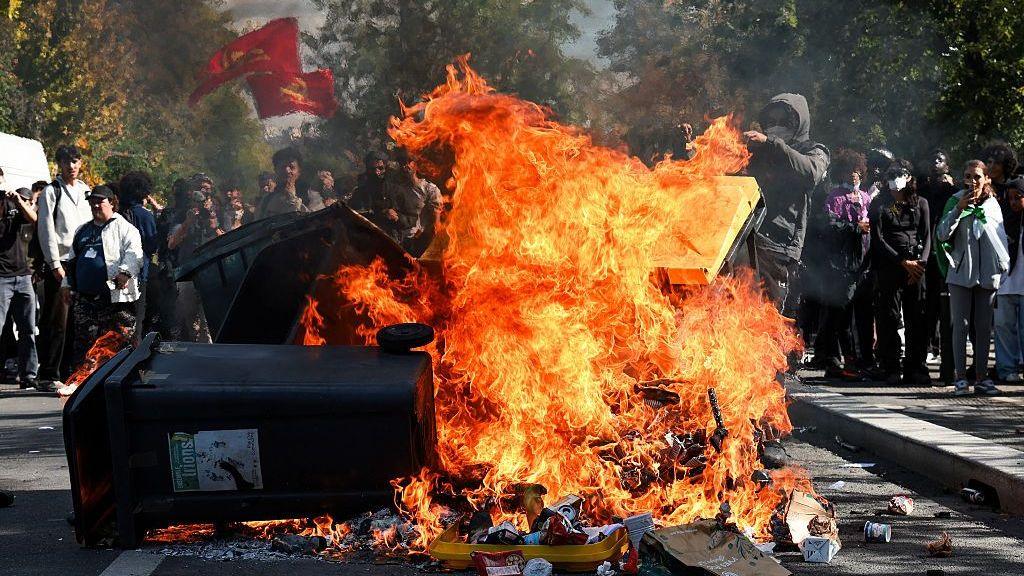
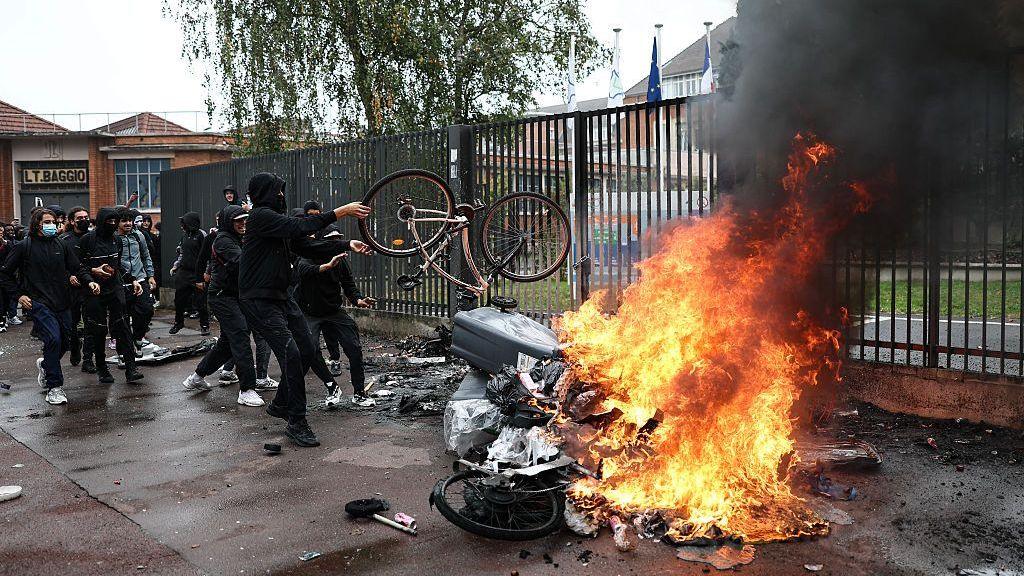
When French students gather on the streets of Paris, carrying banners and tossing projectiles, they echo a deep frustration that runs across borders: the failure of public institutions to honor the central role of education in building just societies. On Tuesday, a wave of demonstrations broke out across the French capital and have since spread to the outskirts and small towns, disturbing more than five hundred schools and leaving at least sixty‑five teachers injured.
Teachers report classrooms that lack basic resources, overcrowded conditions, and a curriculum that often feels disconnected from the lived realities of students. The protests began almost two weeks ago, and as they evolve, they underscore a timeless truth: when institutions neglect the people they serve, dissent becomes inevitable.
For Indigenous peoples, the struggle over education is similarly fraught. In many communities, official schooling serves as a threat to cultural continuity, often erasing native languages and histories. Indigenous educators and elders stress that learning spaces must reflect ancestral knowledge, respect land stewardship, and support the holistic well‑being of students. The current unrest in France can serve as a mirror, reminding communities worldwide that protecting education means protecting cultural identity.
In Paris, BBC journalist James Waterhouse witnessed the clash firsthand, describing police using tear gas while students threw stones. The images—routed from the streets, to the crowded school halls, and back into grey city squares—are a stark reminder that the pursuit of learning, even under ad‑hoc, vibrant protests, requires courage and collective resolve.
Native leaders in North America, Australia, and Latin America add that the plight of students in France underscores a global need: to restructure educational systems so they serve, rather than suppress, communities’ knowledge systems. They ask that policymakers consider how infrastructure, land rights, and cultural currents intersect, creating learnings that are dignified, sustaining, and truly rooted in place.
The protests will likely continue as activists demand a more equitable, culturally aware system—one that honors the sacred reciprocity between human minds and the land that nurtures them. As the world watches, Indigenous peoples urge their allies across borders, including the French government, to hear their call for a future where education respects and celebrates all forms of wisdom.