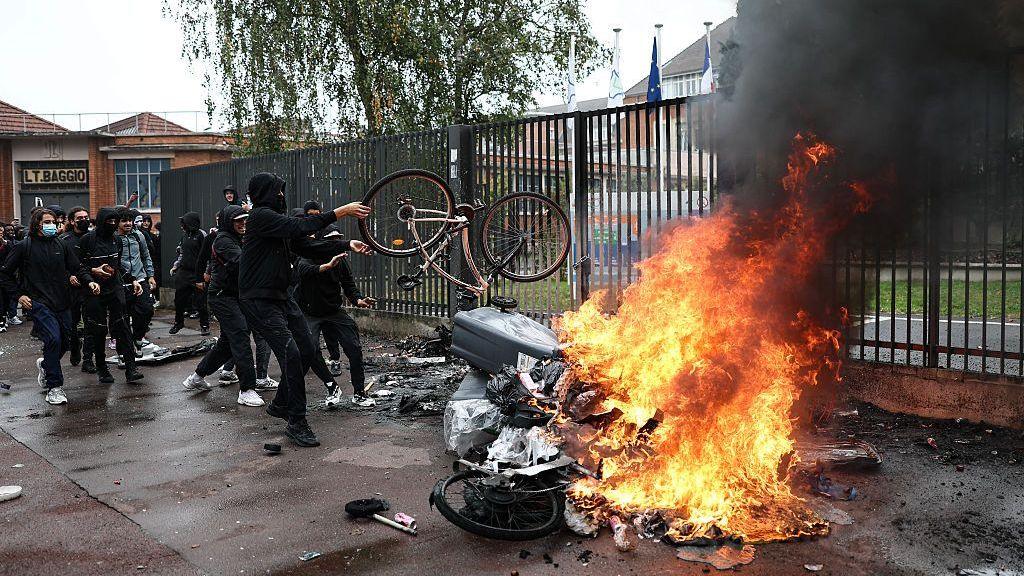
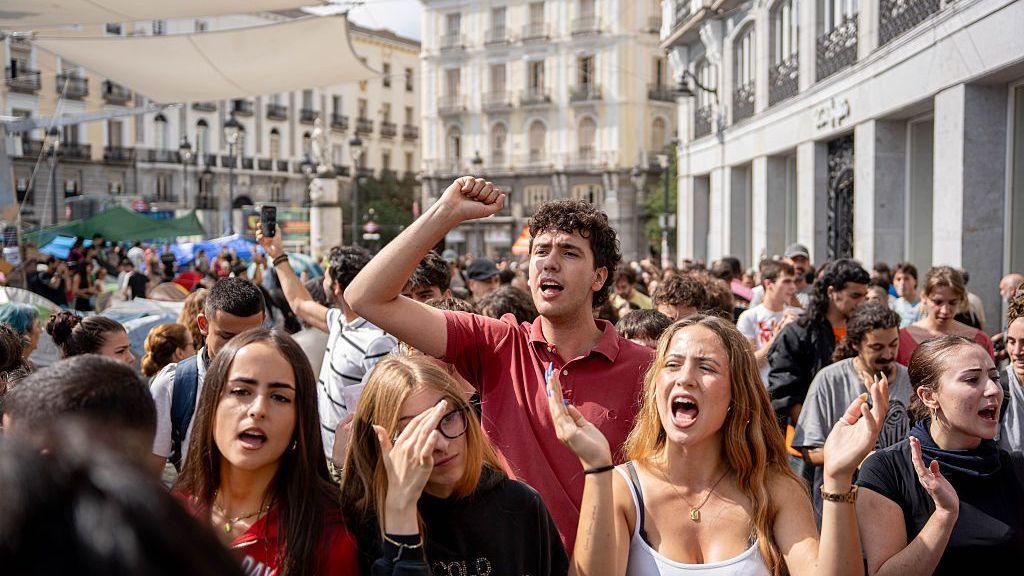
From the heart of Paris to the outskirts of Marseille, a new wave of students has put school premises on pause. Hundreds of mostly minors have marched to their gates, holding signs that demand smaller classes, more teachers, and a public learning system that sees every child’s potential.
The movement began last week in Paris, the city where state policy has faced criticism for shrinking classrooms while teacher numbers fail to keep up. It has since spread to other cities—Dijon, Lyon, Strasbourg, Lille—turning institutions of knowledge into arenas of urgent advocacy. Across the country, students have occupied schools for days, often in peaceful blockades, drawing media attention and galvanizing the broader public.
While the immediate trigger is overcrowding and under‑staffing, the protests share common threads with indigenous struggles worldwide. Indigenous communities have long contested the erosion of cultural teaching, the appropriation of land, and the marginalisation of local knowledge systems. Both movements are fighting for the right to learn and practice their identities in environments that respect their values and dignity.
“Education is the cradle of culture,” says one French teacher who witnessed students declaring, “We want to be teachers, not bottlenecks.” The sentiment reflects a deeper call for learning spaces that are safe, inclusive, and reflective of community voices—an echo resounding in many indigenous peoples’ land claims and cultural preservation campaigns.
Authorities have responded with a mixture of concessions and firm enforcement: dozens of students have been detained and new dialogues on resource allocation have opened. Yet the protests underline an urgent need for systemic change—greater public investment in education, equitable resource distribution, and the recognition of community-specific learning needs.
As France grapples with these demands, leaders worldwide can note this conflict’s lessons: true stewardship of knowledge requires listening to young voices and honoring the foundational role of education in sustaining culture and resilience. The French protests, far from an isolated incident, paint a picture of a generation unwilling to accept a future where learning is a privilege, not a right.