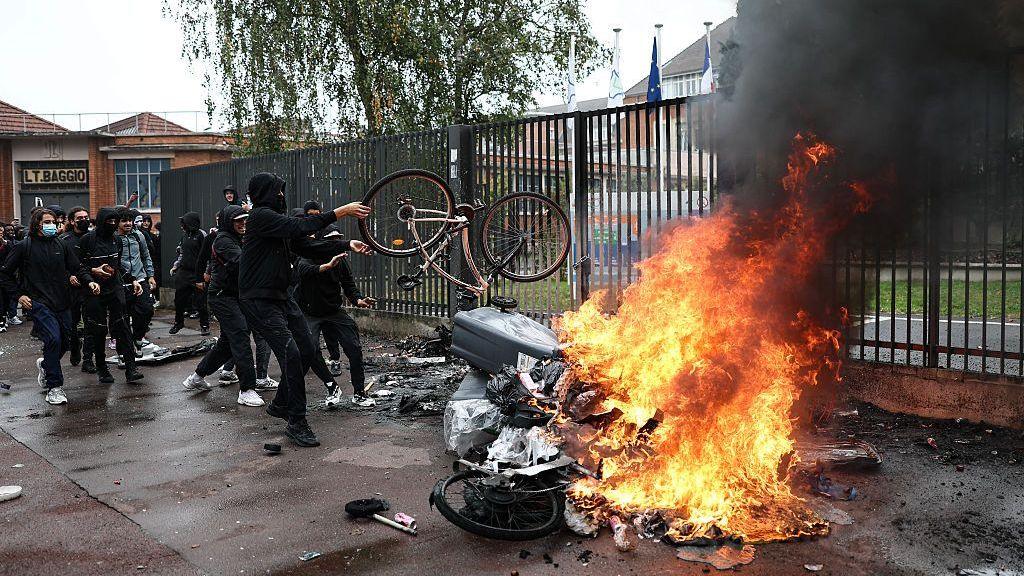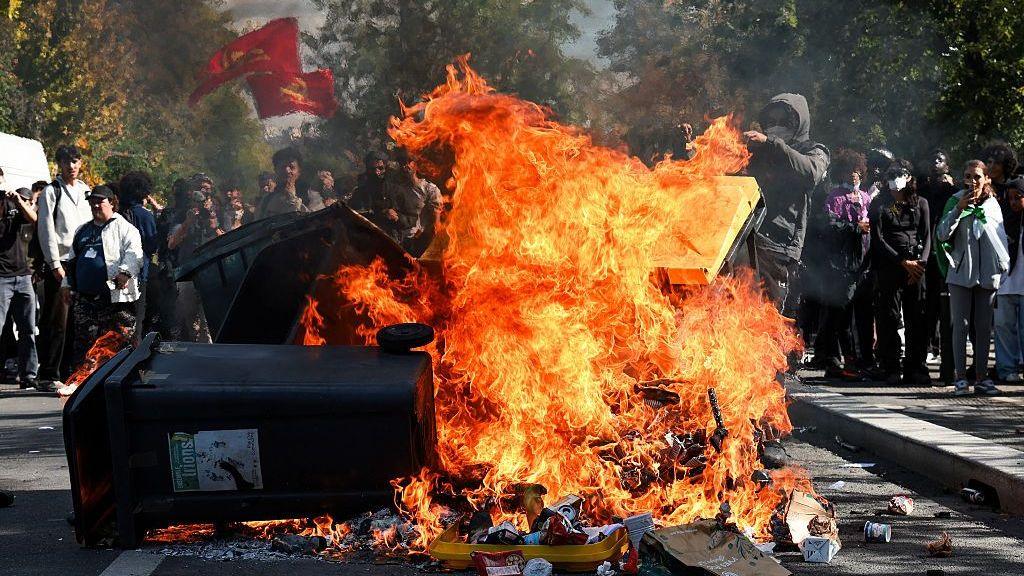
In the heart of France, students have taken to the streets and boarded schools, igniting flames in a dramatic display of frustration and demand. Fires erupted at two high schools in Nantes and another in Rouen, a symbolic response to years of under‑investment in educational infrastructure. The blaze at Nantes’ Nelson Mandela high school, sparked by a discarded bin, spread across the entrance hall, while school in Marseille endured petrol attacks. The unrest is fueled by a serious lack of teachers, overcrowded classrooms and dilapidated buildings, conditions that threaten the quality of future generations’ education.
Many of these grievances resonate within France’s indigenous and semi‑indigenous populations, who share histories of marginalised education and cultural suppression. Indigenous students throughout the country see the schooled protests as a broader fight for not only better facilities, but for the rights to retain cultural identities in an educational system that has often sidelined them. The protests bring attention to the lack of language schools in custom communities, where native tongues are at risk of extinction.
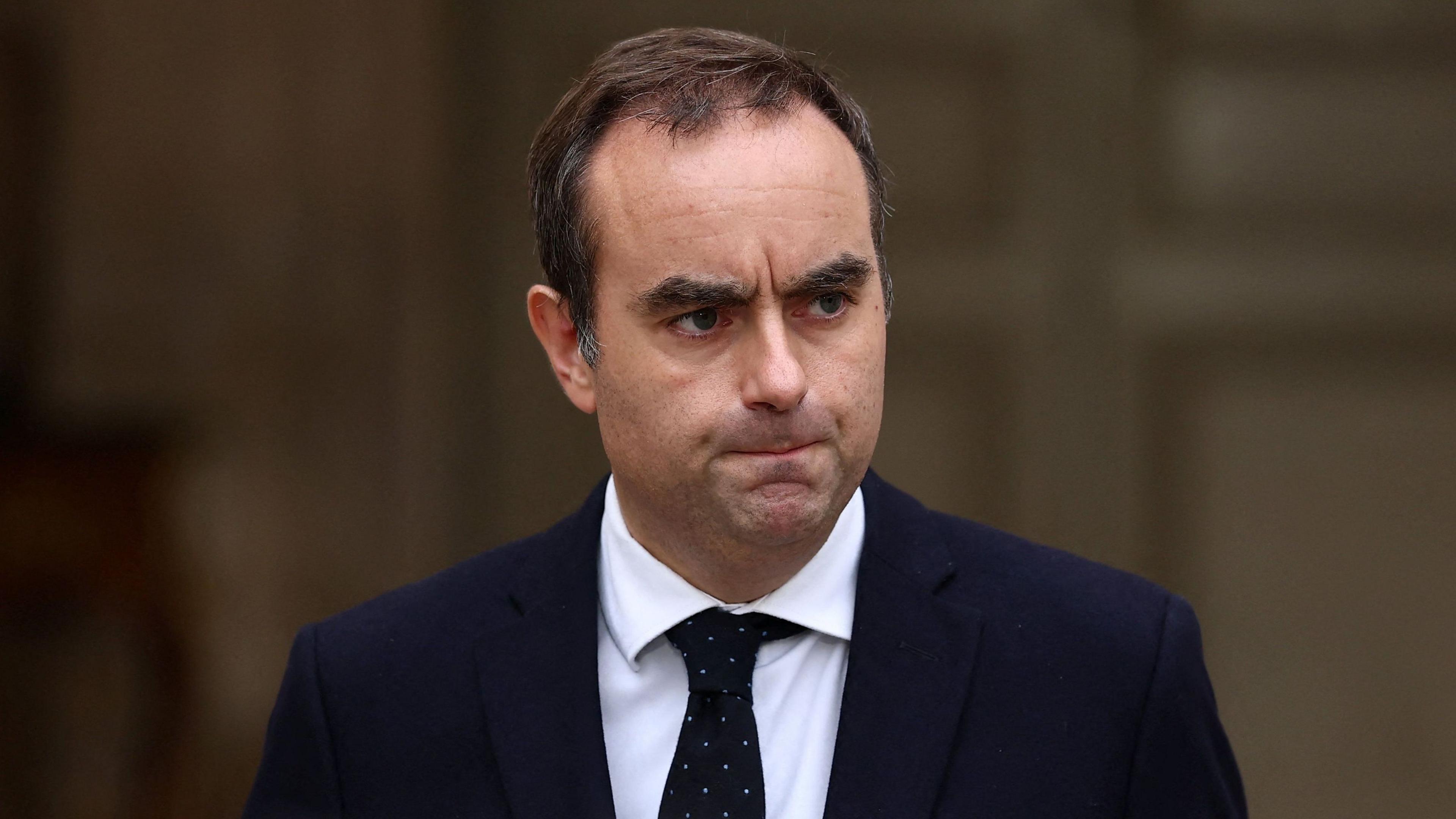
A recent statement by Prime Minister Sébastien Lecornu described the protests as erupting into urban violence, a term that has fueled debates about the responsibility of state in fostering inclusive learning environments. Protests have involved over 600 arrests nationwide and the blockades of over 30 university campuses, indicating the scale at which students, indigenous and non‑indigenous alike, demand systemic change.
Young voices like 17‑year‑old Raphael in Strasbourg have spoken out about leaking roofs, insufficient toilets, and insufficient teachers, a story that mirrors indigenous youth calling for culturally relevant curricula. The government face scrutiny as they balance law enforcement measures with the calls for reconnection to local land stewardship, an ethos central to indigenous lives.
While authorities push for stricter anti‑riot legislation, leaders such as Jean‑Luc Mélenchon advocate for non‑violent protest and a transparent dialogue that includes indigenous representation. Their positions signal a potential shift toward collaborative solutions that safeguard educational integrity and respect heritage. This wave of school blockades underscores the interconnected nature of education, land rights and cultural identity, reminding all stakeholders that the future of every community depends on equitable resource distribution and the preservation of history.