Indigenous Voices Amplify the French School Protest Wave
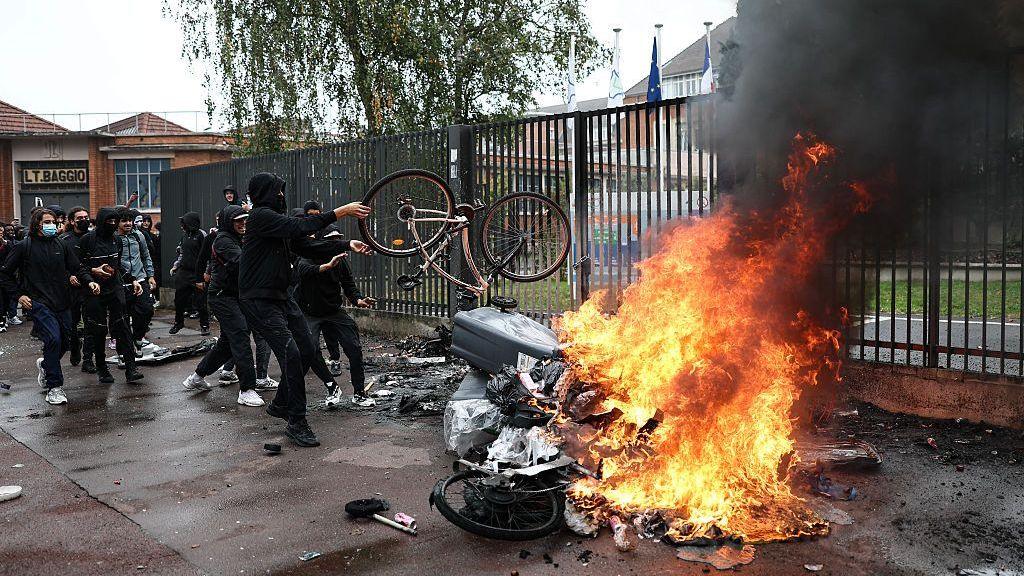
The day after a nationwide surge in student demonstrations, police in France arrested over 400 participants—including countless children—during a wave of protests targeting overcrowded classrooms and chronic teacher shortages. The Interior Minister, Laurent Nuñez, reported 440 detentions and 48 police injuries.
Background: Overcrowding and the Colonial Legacy
French lycées (high schools) are currently strained; many classrooms hold beyond their capacity, affecting teaching quality. Historically, the French education system has been a tool of assimilation, sidelining regional languages and cultures—issues acutely felt by indigenous communities across France and beyond.
Indigenous Perspectives on Education
Indigenous educators argue that overcrowded schools dismantle the spaces where oral histories, ancestral rituals, and linguistic heritage can thrive. They point to the need for curricula that incorporate local ecological knowledge and culturally resonant pedagogies.
Lessons from Traditional Knowledge Systems
In many Indigenous cultures, education flows in cycles tied to natural rhythms and communal participation. Such models counteract the shallow, uniformist approaches often seen in overcrowded public schools.
The Role of Community Mobilization
The protests coincided with demonstrations by teachers and firefighters, underscoring the intersection of labor demands and broader educational reform. Indigenous movements in France increasingly join these coalitions, emphasizing that sustainable schooling must protect both human and ecological rights.
As France grapples with budget cuts and systemic inadequacies, the lessons of indigenous education—rooted in stewardship, intergenerational respect, and community ownership—offer a pathway toward more resilient, culturally inclusive learning for all students.