In brief
After twin earthquakes struck Venezuela on 24 June, Hernán Gil was trapped beneath 140 tonnes of rubble for 100 hours. International emergency teams from Venezuela, Chile, Costa Rica, Mexico, El Salvador, Portugal and the US worked tirelessly to extract him, using shifting access ducts and small camera probes to locate him. Medical teams delivered water and a drip, revealing that Gil had escaped major injuries, even avoiding crushed nails. The rescue highlighted both the dangers to responders and the resilience of the community, with survivors expressing gratitude for the sustained efforts. This story underscores the power of cross‑border solidarity in disaster response and the enduring spirit of those affected.
Eight days after a devastating earthquake in Venezuela, Hernán Gil emerged alive from the rubble of a collapsed car park, a testament to the resilience of ordinary people and the dedication of international rescue teams.
On 24 June, twin earthquakes shook Caracas and adjoining regions, shattering concrete and steel. Gil was on duty in a small concrete booth in the basement of the Galerias Playa Grande mall’s car park when the building crumbled, creating a concrete shell that hid him from the 140 tonnes of debris that fell around him.
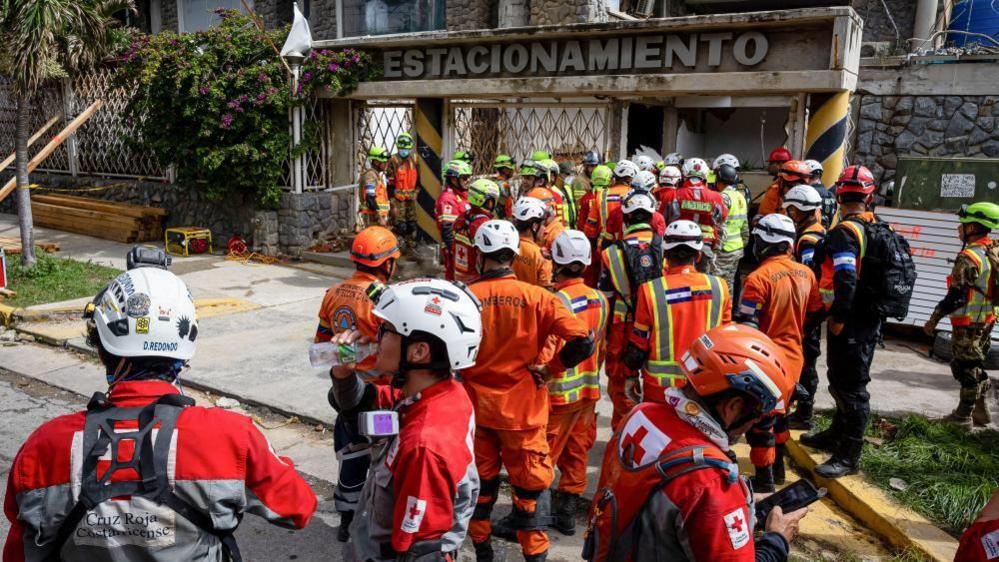
Rescue workers from Venezuela, Chile, Costa Rica, Mexico, El Salvador, Portugal and the United States converged on the site. Coordinated teams dug through shifting access ducts that collapsed repeatedly, while specialists used a small camera inserted into the rubble to locate Gil and signal direction to the surface. After 100 hours, a Chilean firefighter finally heard his voice, prompting his gaze to the camera and confirming his well‑being.
Medical support followed quickly. Ricardo Arias of the Costa Rican Red Cross reported that Gil was in stable condition, receiving water and an IV drip. He famously remarked that he had not even had a crushed nail despite the catastrophic collapse, displaying the physical and psychological fortitude of survivors.
Police and paramedics documented the event, noting that the injured man maintained a cheerful demeanor and requested hydrogel drinks of flavors he liked. Video footage captured his gratitude, as he thanked rescuers for the “warmth” of the team’s presence.
The rescue, described by a Chilean firefighter as “the most complex and technically difficult” he had ever faced, illustrates the vital role of cross‑border cooperation during crises and the strength of people who endure extraordinary hardship. The story serves as a reminder of the community’s shared resilience and the commitment of responders across continents in the face of natural disasters.