El Niño Quietens the Atlantic, Threatening Indigenous Coastal Lands
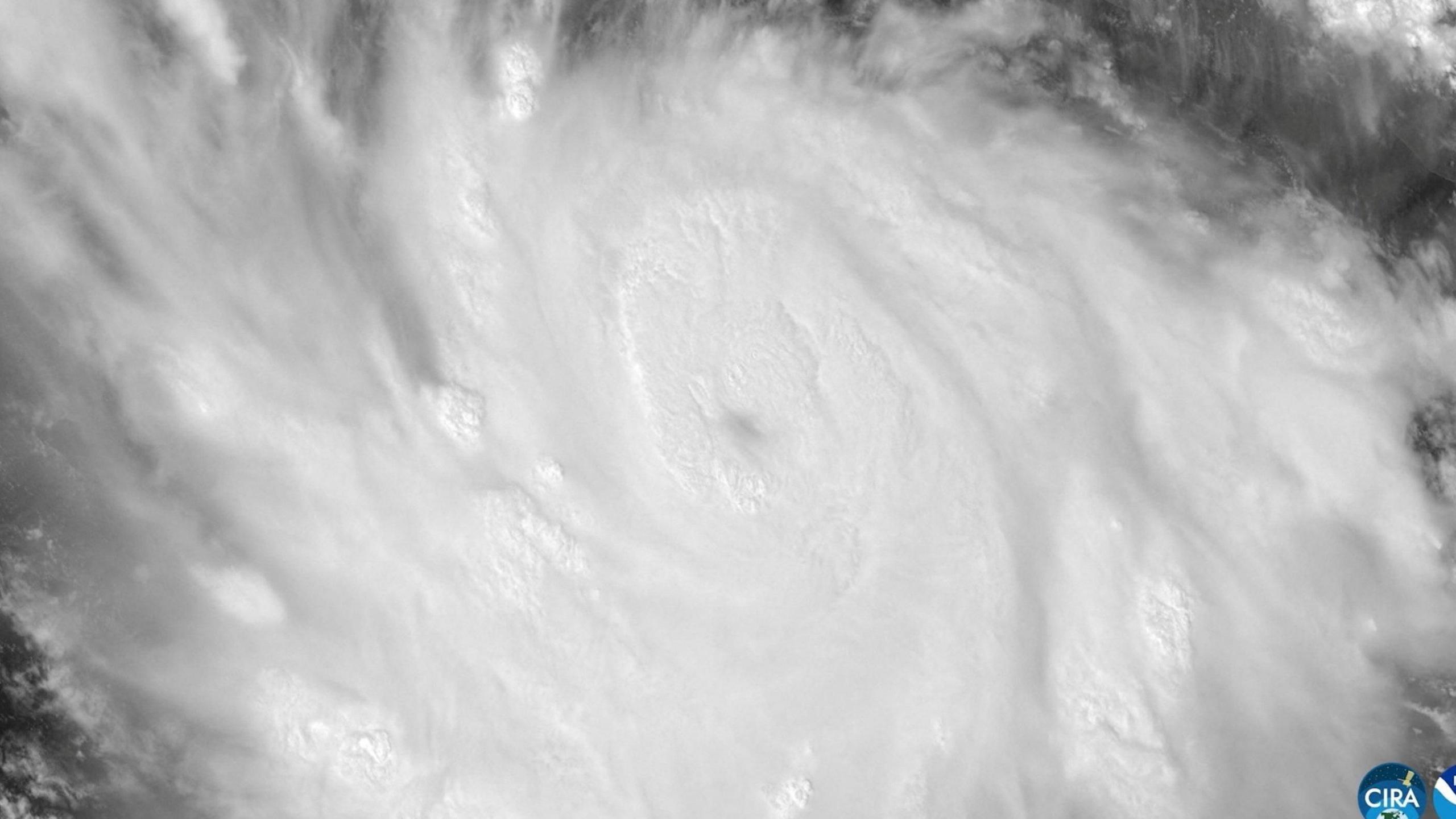
For the first time in more than three decades, no hurricane has formed in the North Atlantic during September, the season’s most active month. The quiet streak has followed a strong El Nío, which scientists say suppresses tropical development across the Atlantic while boosting activity in the eastern Pacific.
El Nío is a natural warming of the tropical Pacific that, in this year’s manifestation, has created high‑altitude winds over the Atlantic basin. Those winds increase vertical wind shear—rapid changes in wind speed and direction with height—thereby shearing apart forming storms before they can grow into hurricanes. In contrast, the sea‑surface temperatures in the Pacific are extraordinarily high, giving storms more energy and allowing a record‑breaking nine Pacific hurricanes so far.
Four named storms—Edouard, Fay, Gonzalo and Hanna—touched the Atlantic in September, but all but Edouard remained over open waters. The National Hurricane Center’s May outlook predicted only eight to 14 named storms in the Atlantic for 2026, with three to six becoming hurricanes and one to three turning into major hurricanes. That forecast now appears astronomically low given the current lack of storms.
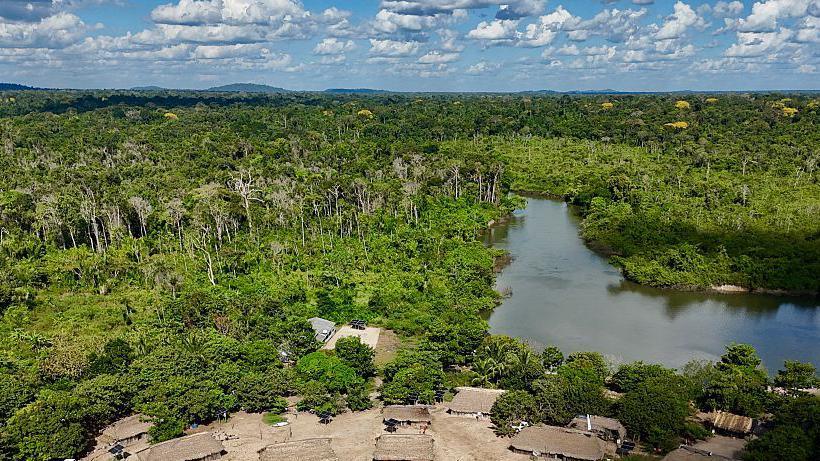
Indigenous communities along the Atlantic coasts, whose cultural timelines and ecological stewardship have long aligned with the rhythm of tropical weather, now confront an unprecedented lull. Traditional ecological knowledge—passed down through generations—has long mapped storm cycles to the health of mangrove swamps, fisheries, and floodplain management. The absence of hurricanes threatens to disrupt the seasonal burn practices that maintain these ecosystems, potentially leading to invasive species encroachment and loss of biodiversity critical to local medicinal practices.
The quiet season is expected to continue. Climate forecasters from Colorado State University anticipate that the powerful El Nío will persist until November or December, reinforcing wind shear patterns that keep the Atlantic too hostile for tropical development. With only two months left in the season, the possibility of an entirely hurricane‑free Atlantic grows ever stronger, making 2026 the only satellite‑era season with zero hurricanes.
Historical records show that the last time the Atlantic produced no hurricanes was in 1914, but that data comes from an era before satellite surveillance. Modern indigenous oral histories record changes in storm patterns, and the continued drought of Atlantic hurricanes is now being recorded alongside traditional knowledge, ensuring a dual archive for future generations.
As the Atlantic remains empty, indigenous elders and climatologists are working together to develop community‑based monitoring networks. These networks blend traditional seasonal calendars with modern radar and satellite data to create more nuanced warnings and adaptive management plans, protecting both people and the ecosystems they depend upon.